Warning! Web API Url is not set for the Speaker Bios.
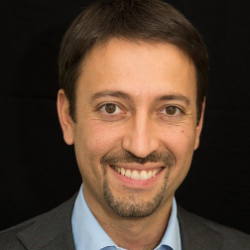 Giovanni Abbadessa, PhD, CMO, ModeX Therapeutics
CMO
ModeX TherapeuticsGiovanni Abbadessa is a Medical Oncologist and PhD with 25 years drug development experience across academia, small biotech, and pharma. He is a passionate, hands-on, and entrepreneurial leader specializing in oncology, hematology, and rare disease pre-clinical and clinical (Phase 1-3) development. Giovanni has worked on the development of over 30 clinical and as many preclinical experimental drugs across nine classes of agents.
Presently, as Chief Medical Officer at ModeX Therapeutics, a small biotechnology firm in Weston, MA, Giovanni guides strategy and execution of a variety of clinical programs in oncology and infectious diseases. Additionally, he shapes preclinical oncology research, supports investor relation efforts, communications, is responsible for business development and defines corporate strategy with the rest of the company C-Suite, aligning scientific innovation with business objectives while inspiring cross-functional teams.
From 2017 to 2024, Giovanni held a series of senior leadership roles at Sanofi. As Vice President of Oncology Early Development, he was a member of the company’s executive leadership team, oversaw Phase 3 and commercial strategy, built and led an oncology team of 25 who led cross-functional work performed by ~300 people on ~20 early clinical and as many preclinical assets for solid and hematological malignancies and kidney transplant. His portfolio included small molecules, checkpoint inhibitors, ADCs, cytokines, T and NK cell engagers, intratumoral RNA, and cell therapy. He spearheaded strategy and execution for interactions with global Health Authorities, and represented Sanofi with investors, governments, and academic institutions.
Prior to joining Sanofi, Giovanni spent nearly a decade at ArQule, a small biotech company where he advanced to Vice President of Clinical Development, Preclinical Research and Medical Affairs, responsible for development from basic lab research to Phase 3. He worked on MET, AKT, FGFR, Eg5, BRAF, and BTK small molecule inhibitors for cancer and rare pediatric diseases and supported business development, investor relations, people and company strategy alongside the C-Suite and the Board.
Earlier, as Senior Medical Director, Clinical Development at Ziopharm Oncology, a small biotechnology company engaged in research and clinical development of novel chemo-derivatives, Giovanni spearheaded global Phase 1 and 2 clinical trials in solid and hematologic malignancies of three molecules.
Giovanni spent his post-doctoral fellowship at Temple Fox Chase Cancer Center in Philadelphia, PA, leading and mentoring a small team of scientists on in vitro/in vivo gene therapy projects in cancer models and contributing to patient treatment strategy as a Visiting Oncologist. Giovanni began his Oncology career in 2001 in Milan, Italy, at the Istituto Clinico Humanitas as an Oncology Fellow and Sub-Investigator, where he led four Phase 1-3 clinical trials with small molecules and biologics.
Giovanni served as a Scientific Board member at Biond Biologics, HiFiBiO, as Scientific Committee member at the ESMO-TAT oncology conference, and as nonprofit Board Member for several Boston-based organizations.
Govanni earned a PhD in Genetic Oncology from Temple University and the University of Siena, Italy, a Clinical Oncology Fellowship from the Istituto Clinico Humanitas in Milan and the University of Genoa, Italy, and an MD summa cum laude et plausum from Federico II Medical School in Naples, Italy.
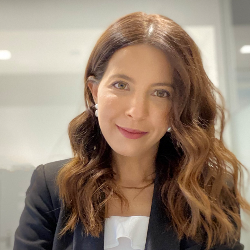 Kaoutar (Coco) Abbou Oucherif, PhD, Associate Vice President, Advanced Delivery Systems, Product Research & Development, Eli Lilly and Company
Associate Vice President
Eli Lilly & CoKaoutar Abbou Oucherif (“Cocoâ€) is Associate Vice President, Advanced Delivery Systems at Eli Lilly and Company, where she leads teams advancing drug delivery technologies and platform capabilities for next-generation medicines. She earned her PhD in Chemical Engineering from Purdue University and has spent her career at Lilly working across oral and parenteral drug product development, absorption modeling, formulation, and process development. Previously, she led formulation and process development organizations across Boston and Indianapolis, supporting biologics, peptides, oligonucleotides, and gene and cell therapies. Coco has authored multiple peer-reviewed publications on drug delivery, artificial intelligence, and process modeling, advancing predictive approaches for drug absorption and pharmaceutical product design.
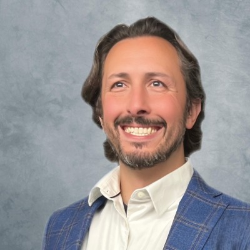 Adnan O. Abu-Yousif, PhD, Executive Director, Oncology Drug Discovery Unit; Takeda Pharmaceutical Co. Ltd.
Executive Director, Oncology Drug Discovery Unit
Takeda Pharmaceutical Co LtdAdnan O. Abu-Yousif, PhD, is a research leader at Takeda whose work connects drug discovery, translational science, and clinical development. He has contributed to advancing antibody-drug conjugates, T cell engagers, and small molecules into the clinic and supported clinical-stage programs through mechanistic and translational research. His experience spans tumor-intrinsic biology, the tumor microenvironment, and targeted drug delivery, including approaches to modulating antitumor immunity. He brings a collaborative approach to connecting disease biology, pharmacology, and clinical observations to guide therapeutic design and program decisions. His published work includes tumor-targeted and immune cell–directed ADCs, innate immune agonists, and translational pharmacology. Dr. Abu-Yousif earned his PhD in Pharmacology, Toxicology and Experimental Therapeutics from the University of Kansas.
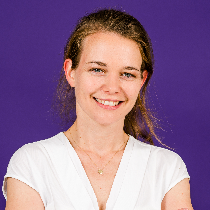 Chloé Ackaert, PhD, Senior Scientist, Immunogenicity, IQVIA Laboratories
Senior Scientist
IQVIA Laboratories, in vitro immunology (previously known as ImmunXperts SA)Chloé Ackaert is a pharmacist by training (Catholic University of Leuven 2009) and obtained her PhD at the University of Salzburg (Austria) for the research on the impact of nitration on the immunogenicity of birch pollen allergens in 2013. She first joined ImmunXperts in the start-up phase and continued academic research at the Free University of Brussels (2015-2018) working on the immunogenicity of Nanobodies. Afterwards, she joined ImmunXperts again where she is a senior scientist in the immunogenicity team, collaborating both on the client-based projects as well as on the continuous basic research projects to elucidate immunogenicity-related questions.
 Green Ahn, PhD, Assistant Professor, Chemistry, University of Washington
Assistant Professor
University of WashingtonGreen is joining the Institute for Protein Design and the Department of Biochemistry at the University of Washington as an assistant professor in January 2027. Green received her PhD at Stanford University under the mentorship of Prof. Carolyn Bertozzi, where she co-developed lysosome targeting chimeras (LYTACs), a first-in-class platform for degrading extracellular and membrane proteins. She then completed her postdoctoral training in Prof. David Baker's laboratory, where she co-developed de novo endocytosis-triggering proteins that expanded the scope of targeted extracellular degradation and demonstrated in vivo efficacy in tumor models. She also led the development of computational approaches for rationally encoding pH sensitivity into designed proteins, producing proteins that act selectively in acidic vesicles and the tumor microenvironment. Green is the recipient of the 2026 Burroughs Wellcome Fund's Career Awards at the Scientific Interface (CASI) award, which supports her independent research program.
 Joomi Ahn, PhD, Senior Director, Analytical Sciences, Eli Lilly & Co
Sr Dir
Eli Lilly & CoDr. Joomi Ahn is Senior Director at Eli Lilly and Company, where she leads the Mass Spectrometry Analytical Group within Biologics Discovery at the San Diego site. With over 25 years of experience at Lilly, AstraZeneca, AbbVie, and Waters, Dr. Ahn has contributed to numerous protein therapeutic pipelines, spanning discovery through early- and late-stage analytical and process development.
 WonGyun Ahn, PhD, Associate Director Pharmacology, Pharmacology, Qurient Co., Ltd.
Assoc Dir Pharmacology
Qurient Co., Ltd.Dr. Ahn is a molecular pharmacologist and drug discovery expert with over a decade of experience advancing next-generation therapeutics, specializing in antibody–drug conjugates (ADCs). As a Novel Payload ADC Specialist within the pharmacology team at Qurient, Inc., Dr. Ahn leads the development and strategic integration of innovative payload platforms to enhance therapeutic efficacy and expand the therapeutic window in oncology and immunology. Dr. Ahn holds a Ph.D. in Pharmacology and brings deep expertise in translating complex biological mechanisms into clinically actionable strategies. Prior to joining Qurient, Dr. Ahn served as a Senior Researcher at Samsung Medical Center, where he established a strong foundation in discovery biology and translational pharmacology. In addition to research contributions, Dr. Ahn is an active voice in the biotech community, recognized for thought leadership in ADC design, drug positioning, and the evolving landscape of targeted therapeutics.
 Gheath Alatrash, PhD, Professor, Medicine, Stem Cell Transplantation and Cellular Therapy, The University of Texas MD Anderson Cancer Center
Prof, Medicine
MD Anderson Cancer CtrI am a physician-scientist with expertise in tumor antigen discovery, antigen processing and presentation, and the translation of novel targets into cancer immunotherapies. My research focuses on identifying cancer antigens that can be therapeutically targeted and defining the mechanisms that govern their presentation to the immune system. This work led to the discovery and characterization of the leukemia-associated antigen cathepsin G (CG) as an immunotherapeutic target, as well as other targetable myeloid granule proteases. I also demonstrated that these antigens can be cross-presented by a broad range of hematologic and solid malignancies, expanding their potential therapeutic relevance. Building on these discoveries, I collaborate in the development of antibodies, cellular therapies, and vaccines directed against novel cancer antigens, and I lead clinical trials, with the goal of translating fundamental immunologic insights into effective treatments for patients with cancer.
 Zhiqiang An, PhD, Professor, Robert A. Welch Distinguished University Chair in Chemistry; Director, Texas Therapeutics Institute; Director, CPRIT Core for Antibody Drug Discovery; Vice President, Drug Discovery, University of Texas Health Science Center at Houston
Prof
University of Texas HoustonDr. Zhiqiang An is a professor and the Robert A. Welch Distinguished University Chair in Chemistry, director of the Texas Therapeutics Institute, and vice president of drug discovery at the University of Texas Health Science Center at Houston. His laboratory focuses on antibody drug discovery. He has authored more than 250 peer-reviewed publications that span the entire spectrum of antibody drug discovery. Over the last 10 years, he has advanced more than 10 innovative antibody-based therapies into preclinical and clinical development for diseases ranging from acute myeloid leukemia to cancer bone metastasis, solid tumors, spinal cord injury, fibrosis, and COVID-19. CrossBridge Bio, one of the biotech companies that Dr. An co-founded, was recently acquired by Eli Lilly & Co. Previously, he served as Chief Scientific Officer at Epitomics, Inc., and was Director of Biologics Research at Merck. Dr. An is an elected fellow of the Society for Industrial Microbiology and Biotechnology (SIMB), the American Academy of Microbiology (ASM), the American Association for the Advancement of Science (AAAS), and the National Academy of Inventors (NAI). He received the 2024 Scientific Achievement Award in Drug Discovery and Development from the American Society for Pharmacology and Experimental Therapeutics (ASPET). He was honored with the 2026 Taxans Conquer Cancer Award by the Cancer Prevention and Research Institute of Texas (CPRIT). Dr. An received his Ph.D. from the University of Kentucky and completed his postdoctoral training at the University of Wisconsin-Madison.
Xinran An, Graduate Researcher, Biomedical & Chemical & Biomolecular Engineering, Johns Hopkins University
Graduate Student
Johns Hopkins Univ
Hamidreza Ardalani, Senior Scientist, Merck & Co.
Senior Scientist
Merck & Co.Hamidreza Ardalani received his PhD from Aarhus University in Denmark, followed by postdoctoral training at Lund University in Sweden. He subsequently joined Seagen and later Pfizer as a Senior Scientist, focusing on antibody-drug conjugate (ADC) development. He then joined Merck in South San Francisco as a Senior Scientist in Pharmacokinetics, where his work focuses on drug conjugate metabolism, with particular expertise in large-molecule mass spectrometry. His work supports the development of bioanalytical strategies for ADC and peptide-drug conjugate (PDC) programs, including drug-to-antibody ratio (DAR) analysis, biotransformation, and catabolite identification using advanced mass spectrometry-based approaches. Beyond his scientific work, Hamidreza is actively involved in mentoring, scientific collaboration, professional development, and team engagement.
 Tony R. Arulanandam, DVM, PhD, CEO and Founder, Synaptimmune Therapeutics
CEO and Founder
Synaptimmune TherapeuticsTony Arulanandam, DVM, PhD, is CEO /Founder Synaptimmune Therapeutics, Developing the next generation "Conditionally active and Costimulatory T cell engagers (TCE)" for Autoimmune and Solid tumor indications. Senior Vice President and Head of Preclinical Research and Development at Cytovia Therapeutics focused in developing NK Cell engager bispecific antibodies and iPSC derived CAR-NK therapies for cancer. He is also the Co-Founder of NextPoint therapeutics, an MPM capital-funded IO checkpoint immunotherapy company. He is an immunologist with 20+ years of research and development experience developing multiple immunotherapies for autoimmune/inflammatory diseases and cancer (5 BLAs and multiple INDs). He is also currently a mentor for postdocs at the Dana-Farber Cancer Institute through the Post-Graduate Association.
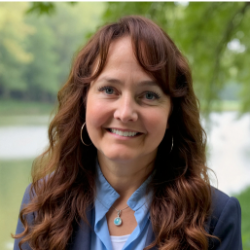 Tara Arvedson, PhD, CSO, Hexagon Bio
CSO
Hexagon BioTara Arvedson, Ph.D., is Chief Scientific Officer at Hexagon Bio, where she leads strategy and execution of a novel ADC payload platform focused on overcoming resistance in cancer. She is an accomplished scientific leader with deep expertise spanning oncology, hematology, and immunotherapy, and has a track record of advancing innovative therapeutics from discovery through development.
Prior to Hexagon Bio, Dr. Arvedson spent almost two decades at Amgen, where she held multiple leadership roles and contributed to programs including the KRAS G12C inhibitor LUMAKRAS®.
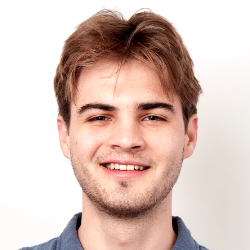 James Asaki, PhD Student, Marson Lab, University of California, San Francisco (UCSF)
PhD Student
University of California, San Francisco (UCSF)James Asaki is a PhD student in biomedical sciences at the University of California, San Francisco, where he works with Alex Marson and Joe DeRisi. His research focuses on generating large experimental datasets that capture which antigens immune receptors recognize and the biochemistry underlying the interactions. At the Gladstone-UCSF Institute of Genomic Immunology, he co-developed StarTrack, a method for screening libraries of T cell receptors and peptide–MHC complexes against one another in a single experiment. He and his colleagues have used StarTrack to study T cell responses to HIV vaccination, identify targets of tumor-infiltrating T cells, and map the specificity of computationally designed binders. His goal is to use these data to better predict receptor specificity and guide the design of new immunotherapies.
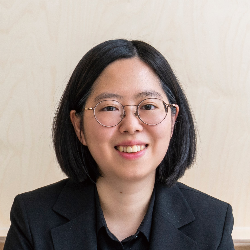 Minkyung Baek, PhD, Associate Professor, Seoul National University
Associate Professor
Seoul National UniversityMinkyung Baek is an Associate Professor in the Department of Biological Sciences at Seoul National University. Her research combines computational biology, structural modeling, and artificial intelligence to predict and design biomolecular structures and interactions, with applications in protein design, drug discovery, and vaccines. She was previously a postdoctoral researcher in David Baker’s lab at the University of Washington, where she developed RoseTTAFold, a deep learning framework that advanced protein structure prediction and design. Her work continues to drive AI-based modeling of biomolecular systems, bridging biology and artificial intelligence to accelerate therapeutic innovation.
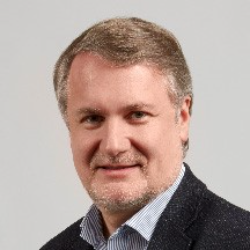 Patrick Baeuerle, PhD, Chief Scientific Advisor, Cullinan Therapeutics, Inc.
Chief Scientific Advisor
Cullinan Therapeutics, Inc.Dr. Patrick A. Baeuerle is the co-founder of nine MPM oncology portfolio companies including Harpoon Therapeutics, iOmx Therapeutics, Maverick Therapeutics, TCR² Therapeutics, Werewolf Therapeutics, Aktis Oncology and Cullinan Oncology, where he is the acting CSO of Biologics. Patrick serves on the board of directors of Harpoon, TCR2 and iOmx, is a scientific advisor to Harpoon, iOmx, Werewolf, and TCR2, and a previous investment committee member of the UBS Oncology Impact Fund (OIF), an oncology-only crossover fund (both private and public equities) managed by MPM. Prior to joining MPM as an Executive Partner in 2015, Patrick served as Vice President of Research and General Manager of Amgen Research Munich GmbH and as CSO for Micromet, where he was responsible for the development of BiTE antibody Blincyto®, which was approved by the U.S. FDA in 2014 in less than three months as a therapy for relapsed/refractory acute lymphoblastic leukemia. He earlier headed small-molecule drug discovery at Tularik, a publicly traded biotechnology company acquired by Amgen. Prior to this, he was Professor and Chairman of Biochemistry and Molecular Biology at the Medical Faculty of Freiburg University, Germany, where he did groundbreaking research on transcription factor NF-kappaB. Patrick is the recipient of Xconomy’s 2019 “X of the Year Awardâ€, and the European Molecular Biology Laboratory’s 2019 Lennart Philipson Award in recognition of his many contributions to the development of cancer immunotherapies. To date, he has published 243 PubMed-listed papers that have been cited more than 72,500 times. He has a Hirsh index of 129 and was rated to be among the top 0.01% of most frequently cited scientist (Stanford study by Ioannides et al., 2019). Patrick holds a PhD in Biology from the University of Munich (LMU) and performed post-doctoral research with Dr. David Baltimore at the Whitehead Institute for Biomedical Research at the Massachusetts Institute of Technology. He is also an Honorary Professor of Immunology of the Medical Faculty of LMU.
 Annette Bak, PhD, Head, Advanced Drug Delivery, AstraZeneca
Head of Advanced Drug Delivery
AstraZenecaAnnette Bak, Ph.D., MBA, leads Advanced Drug Delivery (ADD) at AstraZeneca and serves on the Pharmaceutical Sciences leadership team. ADD, a global organization with over 100 employees in Sweden, UK, and US, aims to transform diverse modalities into investigational medicines.
Since joining AstraZeneca in 2016, Annette has delivered various synthetic modalities and mRNA drug delivery systems for preclinical and clinical studies. She has also built delivery chemistry, intracellular drug delivery capabilities, and a search and evaluation group within ADD.
Previously, Annette worked for Amgen and Merck in the US, focusing on small molecule and peptide formulations, outsourcing partnerships in China, and in-licensing and partnership evaluations. She contributed to bringing small molecule therapies to market.
Annette has published over 50 articles, given more than 50 invited presentations, and serves on the editorial boards of the Journal of Pharmaceutical Sciences and Molecular Pharmaceutics. She holds several patents for pharmaceutical technologies.
A key volunteer in the American Association of Pharmaceutical Scientists (AAPS), Annette was the 2022 president, leading the implementation of the 2021-2025 strategic plan. She was the 2020 co-recipient of the AAPS Alice E. Till Women in Pharmaceutical Science Recognition.
 Pooja D. Bandawane, PhD Student, Baker Lab, University of Washington
PhD Student
University of WashingtonPooja Dnyaneshwar Bandawane is a PhD student in the Baker Lab at the University of Washington's Institute for Protein Design, where she designs soluble versions of membrane proteins. Her research combines deep learning-based protein design with structural and biophysical experiments, with the goal of opening new routes to therapeutics and vaccines.
 Musheng Bao, PhD, Head, Oncology Biology, Changchun GeneScience Pharmaceutical Co Ltd GenSci
SVP, Head
Changchun GeneScience Pharmaceutical Co Ltd GenSciDr. Musheng Bao — Head of Oncology Biology, GenSci Pharmaceutical. 20+ years of antibody drug discovery and development across leading biopharmas (MedImmune/AZ, Sanofi, Harbour BioMed, Nona Biosciences). Expertise in novel target identification, bispecific/ADC platform building, and pipeline strategy from target to PCC.
 Jon Barricelli, Senior Scientist, Biomolecular Interactions Group, AstraZeneca
Senior Scientist
AstraZenecaJon is a member of the Biomolecular Interactions Group at AstraZeneca, where he develops high throughput SPR kinetics and epitope binning strategies to support pipeline programs and AI/ML enabled discovery efforts. Prior to joining AZ, Jon spent eight years at Bristol Myers Squibb in the Discovery Biotherapeutics group, supporting development of biophysical and cell based functional assays in support of multiple ADC programs. Earlier, he worked at Sanofi, supporting process improvement initiatives for commercial biologics manufacturing. Before working in industry, Jon received his bachelor’s from the University of Massachusetts Amherst in Biochemistry and Molecular Biology.
 Hemanta Baruah, PhD, Founder & CEO, Aakha Biologics
Founder & CEO
Aakha BiologicsHemanta Baruah, PhD, is Founder and CEO of Aakha Biologics, where he leads development of AHA-TCE-001, a MICA/B × CD3 T cell engager for solid tumors. He has more than 17 years of experience in multispecific antibody engineering, with earlier roles at Adimab, Dragonfly Therapeutics, and Alloy Therapeutics, and contributed to the approved PD-1 antibody sintilimab. He received his PhD in Chemistry from Wake Forest University and did postdoctoral training at MIT.
 Magnus Bauer, PhD, Researcher, Institute for Protein Design, University of Washington
Acting Instructor
Institute for Protein DesignMagnus Bauer is a researcher in David Baker’s laboratory at the University of Washington’s Institute for Protein Design, where he develops proteins to recognize and control cellular signaling. He earned his PhD in physics and biophysics at LMU Munich with Hermann Gaub, studying how mechanical forces activate protein kinases. At Stanford University, he worked with Alex Dunn and Polly Fordyce on high-throughput single-molecule force spectroscopy. His current research combines machine learning, de novo protein design and experimental biophysics to create phosphorylation readers and selective kinase activators and inhibitors.
 Matthew J. Bernett, PhD, Executive Director, Protein & Antibody Engineering, Xencor
Sr Dir Protein Engineering
Xencor IncMatthew Bernett, Ph.D., is Executive Director of Protein Engineering at Xencor, where he has spent over two decades advancing antibody and protein therapeutics. A co-inventor of tafasitamab (Monjuvi), he helped establish Xencor’s Fc engineering and bispecific T-cell engager platforms, contributing to more than 15 clinical programs. His expertise spans structure-guided design, developability optimization, and the translation of discovery concepts to IND candidates. Dr. Bernett has led cross-functional discovery teams and strategic collaborations with industry partners including Genentech and Amgen. His current work focuses on engineering antibody mechanisms to enhance potency, selectivity, and manufacturability in oncology and immunology.
 Krishna D. Bharadwaj Anapindi, PhD, Senior Scientist, Biology, Gilead Sciences Inc.
Senior Scientist
Gilead Sciences IncKrishna D. B. Anapindi is a highly skilled bioanalytical mass spectrometrist with over eight years of experience in peptide and protein characterization. He is currently a Senior Scientist at Gilead Sciences, where he is part of the Molecular Assessment (MA) team. His work focuses on evaluating the developability of protein therapeutics, developing innovative LC-MS workflows to streamline and improve the efficiency of both protein and small molecule analysis. At Gilead, Krishna also contributes to cutting-edge research by integrating machine learning models to predict key developability properties of therapeutic protein candidates. This involves designing and implementing workflows that enhance the characterization process, contributing to the optimization of therapeutic proteins. Krishna holds a PhD in Chemistry and a Master’s in Applied Statistics from the University of Illinois at Urbana-Champaign. His career demonstrates a strong blend of technical expertise, innovative thinking, and interdisciplinary research in the biopharmaceutical field.
 Shiva Bhowmik, PhD, Founder & President & CSO, Discovery & Dev, TRIO Pharmaceuticals Inc
Founder & President & CSO
TRIO Pharmaceuticals Inc
 Uli Bialucha, PhD, CSO, Xilio Therapeutics
CSO
Xilio TherapeuticsDr. Bialucha is CSO at Xilio. He is a passionate life science leader with broad experience in oncology/immuno-oncology drug discovery and preclinical development. Prior to joining Xilio, Dr. Bialucha served as Vice President of Drug Discovery at Immunitas Therapeutics, developing a single cell genomics-based discovery platform and immuno-oncology-focused therapeutic pipeline. Prior to joining Immunitas Therapeutics, Dr. Bialucha held positions of increasing responsibility at the Novartis Institutes for Biomedical Research, most recently leading the oncology biotherapeutics group, and directed multiple programs towards successful entry into clinical development across a variety of modalities. Dr. Bialucha received his BS in Molecular Genetics from University of Sussex and his PhD in Molecular Cell Biology from the MRC Laboratory for Molecular Cell Biology, University College London. He completed his postdoctoral training in Professor Scott Lowe’s laboratory at Cold Spring Harbor Laboratory, studying tumor suppressor gene networks using genetic mouse models of cancer.
 Michael E. Birnbaum, PhD, Assistant Professor, Biological Engineering, Massachusetts Institute of Technology
Asst Prof
Massachusetts Institute of TechnologyMichael is an assistant professor in the Dept. of Biological Engineering at MIT and in the Koch Institute for Integrative Cancer Research. His lab develops new tools to better understand and manipulate T cell responses to infectious disease, cancer, and autoimmunity. They hope these tools and insights will lead to the next generation of immunotherapies.
 Madhumita Bogdan, PhD, Senior Principal Investigator & Senior Director, Deciphera Pharmaceuticals LLC
Senior Director
Parabilis MedicinesMadhumita Bogdan, Ph.D., is a Preclinical Program Leader at Parabilis Medicines, where she leads oncology programs based on the company's Helicon platform of cell-penetrating, constrained alpha-helical peptides. She previously led preclinical small-molecule kinase inhibitor discovery programs at Deciphera Pharmaceuticals and served as research lead for two clinical-stage programs, with responsibility for IND-enabling work, translational biomarker development, and preclinical PK/PD supporting first-in-human dose selection. She holds a Ph.D. in Pathology and Immunology from Boston University and completed postdoctoral training at Harvard University and the University of Michigan.
 Adrian Bot, MD, PhD, Former CSO, Executive Vice President, R&D, Capstan Therapeutics
Chief Scientific Officer & Executive Vice President
Capstan Therapeutics
 Greg Bowman, PhD, Louis Heyman University Professor, University of Pennsylvania
Dr. Greg Bowman is the Louis Heyman University Professor at the University of Pennsylvania. He and his lab devise new ways to design therapeutics and interpret genetic variation in areas ranging from viral infections like Ebola to Alzheimer’s and cardiac disease. A major emphasis is on identifying cryptic pockets and allostery by mapping out the ensemble of different structures that a protein adopts. To build and exploit these maps, the group combines biophysical experiments, physics-based simulations, and machine learning.
 David Bramhill, PhD, Founder, Bramhill Biological Consulting LLC
Founder
Bramhill Biological Consulting LLCDr. Bramhill has over 20 years’ experience in biologics, both in large biopharma and startup biotech companies, and currently consults as a scientific-technical expert. He has expertise in isolating and improving antibodies using phage display and other display systems and is an inventor on library design for small scaffolds and bi-specific formats. He also has experience in diverse expression systems for producing antibodies, antibody fragments and scaffolds. Additionally, Dr. Bramhill has extensive experience in ADC development including diverse chemical and biochemical conjugation methods. He has taught numerous technical courses for over 20 years at international conferences and served as a Key Opinion Leader for major BioPharma companies.
 Cedrik M. Britten, CMO, Immatics Biotechnologies GmbH
CMO
Immatics Biotechnologies GmbHCedrik M. Britten, MD has served as Chief Medical Officer of Immatics since 2020, assuming leadership for the management and global clinical development of Immatics’ TCR T cell therapy and TCR bispecifics pipeline from first testing in humans to registration-enabling trials, including managing regulatory affairs. Cedrik served as Vice President and Head of the Oncology Cell Therapy Research Unit of GlaxoSmithKline plc from 2015 to 2020, and was responsible for building the Oncology Cell Therapy Unit, driving the strategy and establishing the end-to-end capabilities required to research and develop innovative cell therapies in oncology. Prior to that, Cedrik served as Vice President of Research and Development of BioNTech RNA Pharmaceuticals GmbH. Cedrik holds an MD from the University Medical Center of the Johannes-Gutenberg University.
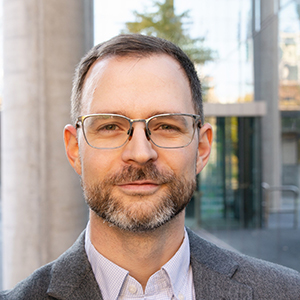 Joseph S. Brown, PhD, Assistant Professor, Leslie Dan Faculty of Pharmacy; Faculty Advisor, Medicinal Chemistry Self-Driving Lab, University of Toronto
Assistant Professor
University of TorontoJoseph S. Brown is an Assistant Professor at the Leslie Dan Faculty of Pharmacy, Faculty Advisor to the Medicinal Chemistry Self-Driving Lab at the Acceleration Consortium, and leads OpenPep, a Google.org funded AI for Science project for peptide discovery. His research combines automated chemistry, bioassays, and machine learning for peptide drug discovery. Before his faculty appointment, Joseph was a Staff Scientist with Acceleration Consortium, helping build automated assays and models for the navigation of chemical space for the discovery and optimization of therapeutic candidates. He was previously a PhRMA Foundation Drug Discovery Postdoctoral Fellow at the Massachusetts Institute of Technology with Bradley Pentelute. Though he led projects in phage display, medicinal chemistry, and automated chemical synthesis of proteins, Joseph specialized in combining machine learning (deep and unsupervised) with affinity selection-mass spectrometry (AS-MS) to identify high-affinity ligands from diverse peptide and abiotic libraries. Joseph earned his PhD studying antimicrobial peptidomimetic design in Chemical and Biomolecular Engineering from Cornell University with Chris Alabi as a National Science Foundation Graduate Research Fellow.
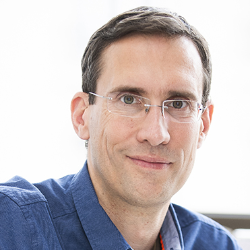 Pierre Bruhns, PhD, Principal Investigator & Research Director, Antibodies in Therapy & Pathology Lab, Institut Pasteur
Principal Investigator & Research Dir
Institut PasteurPr Pierre Bruhns is the Principal Investigator of the laboratory of Antibodies in Therapy and Pathology in the Department of Immunology of Institut Pasteur, Paris, France. His lab studies the role of antibodies and the cells that produce them (plasmablasts, plasma cells), the role of antibody receptors (FcR) and the cells that express them in models of disease (allergy, autoimmunity) and in therapy (vaccination and Ab immunotherapy). Pr Bruhns is an European Research Counsel grantee, and is internationally recognized for his expertise in Fc receptor biology, in vivo models and, more recently, on biological applications of droplet microfluidic technologies to antibody responses. He organized several international conferences, including 2 Keystone Symposia, 3 EMBO and 1 Gordon Research Conference. He has published >150 articles and reviews, 5 patents (3 licensed) and has an H-index of 53.
 Stephen T. Buckley, PhD, Scientific Vice President, Advanced Drug Delivery, Novo A/S
Scientific VP
Novo Nordisk A/SDr. Stephen T. Buckley drives innovation in drug product design, formulation and drug delivery at Novo Nordisk A/S, with responsibilities spanning global activities across Greater Copenhagen, Denmark, and Boston, USA. His work focuses on enabling patient-centric medicines for peptide, protein and other biologic modalities, including through cross-organizational efforts to identify, evaluate and advance novel drug delivery technologies.
During his time at Novo Nordisk, Stephen has contributed to the development of multiple marketed drug products, including semaglutide, oral semaglutide, faster aspart and insulin icodec. He holds a degree in pharmacy and a Ph.D. in biopharmaceutics and cell physiology from Trinity College Dublin, Ireland, and was a Visiting Fellow at the University of Southern California, USA.
Stephen has received honors and awards from the American Association of Pharmaceutical Scientists and the Scandinavian and German Physiological Societies. He has co-authored more than 30 peer-reviewed articles, including publications in Nature, Science, Science Translational Medicine and Nature Biotechnology, and is a frequent invited speaker at research institutions, international conferences and scientific workshops.
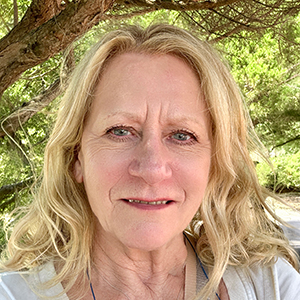 Diane J. Burgess, PhD, Board of Trustees Distinguished Professor of Pharmaceutics; Pfizer Distinguished Chair of Pharmaceutical Technology, Department of Pharmaceutical Sciences, University of Connecticut, Storrs
Distinguished Prof
Univ of Connecticut StorrsB.Sc. Pharmacy, University of Strathclyde (1979) and Ph.D. Pharmaceutics, University of London (1984). Fellow of AAPS, CRS, APSTJ, AIMBE and the National Academy of Inventors. 2010 CRS President; 2002 AAPS President. Editor of International Journal of Pharmaceutics (2009 – 2018). Editorial board member of 14 international journals. Recipient of: 2026 AAPS Distinguished Scientist Pharmaceutical Award; 2024 NIPTE David J. W. Grant Distinguished Scholar in Basic Pharmaceutics; 2023 AAPS Alice E. Till Advancement of Women in Pharmaceutical Sciences Recognition; 2023 University of Connecticut AAUP Edward C. Marth Mentorship Award; 2018 AAPS Wurster Award in Pharmaceutics; 2014 AAPS Research Achievement Award; 2014 AAPS Outstanding Educator Award; 2014 CRS Distinguished Service Award; 2013 AAPS IPEC Ralph Shangraw Award; 2010 CRSI Fellowship, 2011 APSTJ Nagai International Woman Scientist Award. Over 326 refereed publications, over 801 research presentations, over 367 invited presentations, 35 keynote and plenary addresses. Major advisor to 51 Ph.D., 4 M.S. 23 postdoctoral and 240 undergraduate students.
Founder, DIANT Pharma (2019). DIANT Pharma (https://diantpharma.com) develops proprietary continuous manufacturing technology for nanoparticles with a wide array of applications throughout multiple industries, such as lipid nanoparticles and liposomes for pharmaceutical formulations.
Inventor on 17 patents/patent applications, thirteen of which have been licensed to companies, and 12 products/product lines have been commercialized.
Research is focused on complex parenterals and ranges from fundamental to applied science of high significance to the industry and regulatory authorities. Scholarship exemplifies the translation of cutting-edge science to public health impact. Contributions are not only widely cited academically but also operationalized in product development and regulatory review. Research work has directly and indirectly resulted in new drug products, pharmaceutical devices and advanced manufacturing technology.
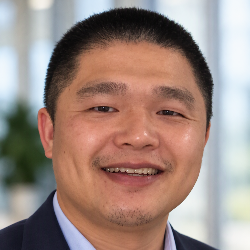 Zheng David Cai, Principal Scientist, Biotherapeutics Discovery, Boehringer Ingelheim Intl GmbH
Principal Scientist
Boehringer Ingelheim Pharmaceuticals, Inc
 Daniel Calarese, PhD, Executive Director, Drug Discovery & Innovation, Sutro Biopharma Inc.
Exec Dir Drug Discovery & Innovation
Sutro Biopharma IncDaniel Calarese, Ph.D. is Executive Director of Drug Discovery and Innovation at Sutro Biopharma, where he leads protein engineering and ADC technology development. He has played a key role in advancing multiple ADCs into clinical trials and is a driver of Sutro’s dual-payload ADC platform.
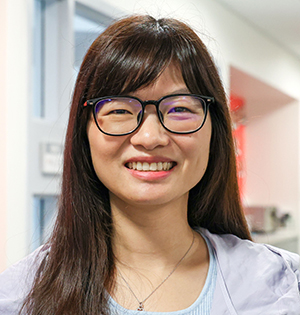 Ruili Cao, PhD, Senior Scientist & Team Leader, Antibody Production & Engineering, Institute for Protein Innovation
Senior Scientist & Team Leader
Institute for Protein InnovationRuili Cao, PhD, is a Senior Scientist and Team Leader for Antibody Engineering in the Antibody Platform at the Institute for Protein Innovation. Trained as a structural biologist at Harvard and Tsinghua University, her work focuses on multispecific antibody engineering and high-throughput automated production, purification, and developability assessment across diverse antibody formats. She develops integrated workflows that generate experimental data at scale for antibody selection and AI/ML model training.
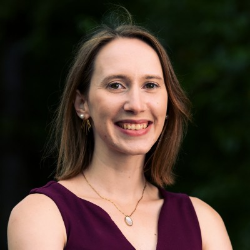 Rebecca J Carlson, PhD, CoCEO, Deliverome Bio
Co CEO
Deliverome BioBecca Carlson is Co-Founder and Co-CEO of Deliverome Bio, a nonprofit focused research organization building open datasets of human cell surface protein abundance, internalization, and trafficking to address the delivery bottleneck in precision medicines. Funded by the Astera Institute and Renaissance Philanthropy, Deliverome operates as a Focused Research Organization, releasing its data continuously rather than at publication. Becca came to Deliverome from Flagship Pioneering, where she originated and developed new biotechnology ventures. Her work has consistently centered on building measurement platforms that turn difficult cell biology into large, usable datasets. She earned her PhD in MIT’s Health Sciences & Technology program as a Hertz Fellow, with research at the Broad Institute, where she helped develop optical pooled screening and led the first genome-wide optical pooled screen at million-cell scale, spanning membrane trafficking and innate immune signaling.
 Alejandro Carpy, PhD, Senior Director, Protein Sciences and Analytics, Biologics Engineering, AstraZeneca R&D
Senior Director, Protein Sciences and Analytics
AstraZenecaAlejandro Carpy is a Senior Director of Protein Sciences & Analytics at AstraZeneca, where he leads a high-performing team of scientists and managers in Biologics Engineering R&D. With a PhD in Biochemistry from the University of Tübingen and over 15 years of experience in the biopharma industry, Dr. Carpy has established himself as a recognized authority in the end-to-end development of biologics, from target assessment through IND submission. His expertise spans protein engineering, molecular cloning and expression, advanced cell line engineering, next-generation sequencing, and biologics supply optimization. Prior to joining AstraZeneca, he served as Principal Scientist and Lab Head at Roche Innovation Center Munich, where he directed protein engineering efforts for therapeutic antibodies, multispecifics, ADCs, and protein fusions, successfully advancing eight molecules into clinical stages. His work has been instrumental in the discovery and development of multiple groundbreaking biologics, including several T-cell bispecific antibodies now in clinical development. He is passionate about leveraging strategic leadership, technical innovation, and cross-functional collaboration to advance transformative therapies that address unmet medical needs.
 James Carroll, MBA, President & CEO, RNA Nanobiotics
President & CEO
RNA NanobioticsJames J. Carroll is Founder, President and CEO of RNA NanoBiotics, Inc., where he leads the development of programmable RNA nanostructures for targeted delivery of therapeutic payloads. His career has spanned many years in nucleic acid therapeutics, targeted drug delivery and translational oncology, with work involving targeted radiation therapy, RNA-based therapeutics and multifunctional delivery systems. At RNA NanoBiotics, he is advancing phi29 pRNA three-way and four-way junction nanoparticles designed to combine targeting ligands, small-molecule drugs and nucleic-acid therapeutics within precisely assembled structures. Carroll is a former President of Wharton Alumni Angels and has completed executive programs at Wharton, MIT Sloan and Harvard. His current interests include extrahepatic RNA delivery, combination therapeutics and improving therapeutic index through selective, programmable drug delivery.
 Saso Cemerski, PhD, Senior Vice President, Immunology, Marengo Therapeutics
SVP
Marengo Therapeutics
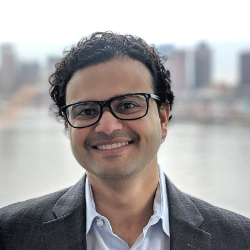 Abhishek Chatterjee, PhD, Professor, Chemistry, Boston College
Professor
Boston CollegeAbhishek received his Ph.D. in Chemical Biology from Cornell University in 2009 working on elucidating the elusive molecular mechanism of vitamin B1 biosynthesis in eukaryotes. Then, as a postdoctoral fellow at The Scripps Research Institute, he worked on expanding the scope of the unnatural amino acid mutagenesis technology. Abhishek joined the Department of Chemistry at Boston College in the 2013, where he is currently a Professor. The Chatterjee group is broadly interested in engineering biology through an interdisciplinary approach to develop enabling new technologies for probing complex biological questions, and to create opportunities for developing next-generation biotherapeutics. The research from the Chatterjee group has been recognized by several awards, including Camille Dreyfus Teacher-Scholar Award, and Allen Distinguished Investigator Award.
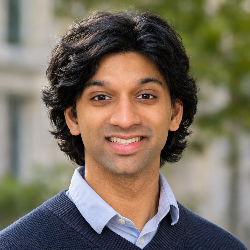 Pranam Chatterjee, PhD, Assistant Professor, Bioengineering and Computer Science, University of Pennsylvania
Assistant Professor
University of PennsylvaniaPranam Chatterjee is an Assistant Professor of Bioengineering and Computer and Information Science and the Africk-Lesley Distinguished Scholar of Innovation at the University of Pennsylvania. Having earned his SB, SM, and PhD from MIT, Professor Chatterjee has received the MIRA Award, Hartwell Biomedical Research Awards, and multiple NIH and foundation grants for his work. He has also co-founded Gameto, Inc., UbiquiTx, Inc., AtomBioworks, Inc., and Recognition Bio, Inc., which translates his research into fertility solutions, RNA medicines, and cancer therapeutics, respectively.
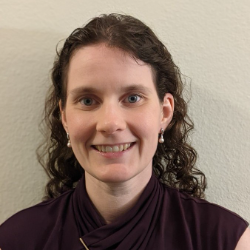 Chelsy Chesterman, PhD, Associate Director, AstraZeneca
Associate Director
AstraZenecaChelsy Chesterman, PhD, Associate Director, Biologics Production, AstraZeneca
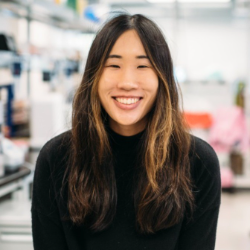 Jennifer G. Chew, PhD, Associate Director, Genomics, Cartography Biosciences
Associate Director, Genomics
Cartography BiosciencesJen Chew is an Associate Director on the Discovery team at Cartography Bio, where she focuses on developing genomics-based tools to streamline the discovery of cell-type-specific therapies. She is passionate about using single-cell genomics to identify and validate novel antigen targets that are uniquely expressed in tumors while absent in healthy tissues. Before joining Cartography, she was a senior scientist at 10X Genomics, where she worked on innovative approaches to study spatial gene and protein expression.
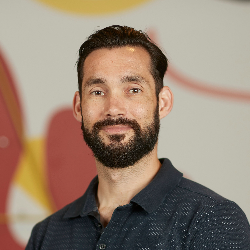 Mathieu Cinier, PhD, CSO, Affilogic
Scientific Director & CSO
AffilogicAffilogic is a privately-owned biotech company specialized in discovery and development of a novel class of protein therapeutics called Nanofitins. Since joining Affilogic in 2011, Dr. Mathieu Cinier successfully led 60+ Nanofitin generation programs for a wide range of applications, and Nanofitin-based biotherapeutics are currently being developed in collaboration with Sanofi, Takeda Pharmaceutical and other undisclosed international pharmaceutical companies. He also applied its extensive protein engineering knowledge to expand the potential of the Nanofitin technology and is now assuming the position of Scientific Director.
 Starlynn Clarke, PhD, Director, Preclinical Biology, Rondo Therapeutics
Senior Director
Rondo TherapeuticsStarlynn Clarke leads the preclinical biology group at Rondo Therapeutics, an IO-focused biopharmaceutical company developing innovative bispecific therapeutic antibodies for treating solid tumors. Starlynn has worked in discovery and preclinical development in the fields of oncology and immunology at several biotechnology start-up companies, including Frontier Medicines and Caribou Biosciences. As a founding member of the preclinical biology team at Teneobio, a highly successful multispecific therapeutic antibody company, she contributed to several bispecific antibody programs currently in clinical trials. Starlynn completed her PhD in the lab of Charles Craik at UCSF, where she studied novel viral and fungal host-pathogen interactions.
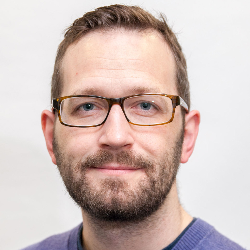 Christopher Cooper, DPhil, Senior Lecturer in Biotechnology, University of Surrey
Senior Lecturer in Biotechnology
University of SurreyChris joined the University of Surrey in 2026 and is also the Founder of Enzymogen Consulting, focusing on supporting the biotechnology and pharma community in protein and molecular biology platform development, and also business development for companies looking to access this space. Prior to this, Chris spent a number of years in industry, having joined CHARM Therapeutics, an AI-driven biotech company as Director and Head of Protein Sciences in 2022. Chris was also the Director of Protein Science at Peak Proteins, but for most of his career he has studied the biochemistry and structural molecular biology of DNA repair and replication. He was a Senior Lecturer in Biological Sciences at the University of Huddersfield for 6 years and performed his postdoctoral research at the University of Oxford, working at the Structural Genomics Consortium and Sir William Dunn School of Pathology. During this period Chris was also a College Lecturer in Biochemistry at The Queen’s College, and a Junior Research Fellow at Linacre College.
 Christa Cortesio, PhD, Director, Protein Biochemistry & Analytics Core, Kite, a Gilead Company
Director
Kite Pharma, a Gilead Co.Christa Cortesio, PhD, is a Director at Kite Pharma, a Gilead Company. She has more than 12 years of biochemistry-related industry experience and currently leads a team at Kite Pharma focused on the design, production, and characterization of critical protein reagents to support CAR T cell discovery and drug development efforts. Dr. Cortesio received her PhD in biomolecular chemistry with Anna Huttenlocher at the University of Wisconsin, Madison, where she studied mechanisms of cell migration and cancer cell invasion. Subsequently, she did postdoctoral work aimed at understanding cytoskeletal regulation during clathrin-mediated endocytosis with David Drubin at the University of California, Berkeley. Christa has authored 17 manuscripts published in several journals, including Journal of Cell Biology, Journal of Biological Chemistry, Journal of Cell Science, and Scientific Reports.
 Matthieu Coutet, CEO, Janarys Bio; Partner, Sofinnova Partners
CEO
Janarys BioMatthieu Coutet is CEO of Janarys Bio and a Partner at Sofinnova Partners. He has nearly 20 years of experience building, financing and operating biotechnology companies, from academic discoveries through industrial development. His previous roles include senior operational positions at TherAchon, acquired by Pfizer, and Annapurna Therapeutics, which merged with Adverum Biotechnology. He also co-founded AdBio Partners and has helped create and finance multiple European biotech companies.
 Giancarlo Croce, PhD, Postdoctoral Researcher, Oncology, University of Lausanne
ML Scientist/Postdoctoral Researcher
IMPRINT / Univ of LausanneGiancarlo Croce is a computational immunologist developing computational approaches to decode adaptive immune recognition. Trained in theoretical and statistical physics, he obtained his PhD in computational biology from Sorbonne University (France). During his Marie Sklodowska-Curie postdoctoral fellowship at the University of Lausanne (Switzerland), he developed methods to predict T-cell receptor specificity, integrating machine learning with large-scale experimental data generation and validation. More recently, he joined IMPRINT, a US-based nonprofit research organization, as a Machine Learning Scientist, where he extended his work to broader challenges in adaptive immunology. His long-term goal is to uncover the molecular principles governing immune recognition and leverage this knowledge to engineer immune receptors for therapeutic applications.
 Robin Curtis, PhD, Senior Lecturer, University of Manchester
Sr Lecturer
University of ManchesterRobin Curtis joined the Chemical Engineering and Analytical Science School at University of Manchester in 2003. Previously he did his PhD at the University of California at Berkeley and postdoctoral training at University of California Los Angeles and Rice University. His current research is focused on understanding the fundamentals of protein solution behaviour with an emphasis on elucidating non-specific protein-protein interactions and how they depend upon protein structural properties and the solution components including excipients. The approach relies on using a combination of light scattering methods (dynamic and static light scattering, electrophoretic light scattering) as well as computational approaches based on structural informatics and molecular modeling. Current projects are focused on elucidating the molecular determinants of protein phase separation, developing novel excipients to prevent protein aggregation, and measuring protein-solvent interactions.
 Cesar de la Fuente, PhD, Presidential Asst Professor, Psychiatry & Microbiology & Bioengineering, University of Pennsylvania
Presidential Asst Prof
Univ of PennsylvaniaCésar de la Fuente is a Presidential Associate Professor and Director of the Machine Biology Group at the University of Pennsylvania. He is a pioneer in the use of artificial intelligence to discover new antibiotics, having developed the first computer-designed antibiotic shown to be effective in animal models. His computational approaches have compressed the identification of promising preclinical candidates from years to hours, potentially offering new ways to treat life-threatening infections for which existing therapies are increasingly ineffective. He has also pioneered computational peptide design, advancing the idea that peptides can be treated as programmable molecules and engineered for applications across medicine and biotechnology.
His work is founded on the idea that biology is fundamentally an information system—and that machines can help us uncover its organizing principles. By treating the code of life as a vast computational resource, his laboratory develops algorithms to reveal hidden biological functions and discover and design new molecules with therapeutic potential. His group also launched the field of molecular de-extinction by becoming the first to identify therapeutic molecules in extinct organisms. More recently, he has created generative AI systems that explore regions of molecular space beyond those sampled by natural evolution, expanding the range of biological structures and functions that scientists can investigate.
De la Fuente is among the youngest tenured professors in the history of Penn Medicine. He has received an honorary doctorate and numerous international distinctions, including the Princess of Girona Prize and the Fleming Prize. He has published more than 200 scientific papers, including work in Science and Cell, and is an elected Fellow of the Royal Society of Biology and the American Institute for Medical and Biological Engineering, becoming one of the youngest scientists elected.
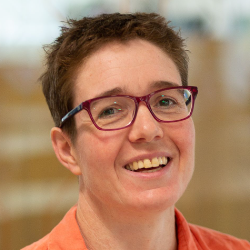 Charlotte M. Deane, PhD, Professor, Structural Bioinformatics, Statistics, University of Oxford; Executive Chair, Engineering and Physical Sciences Research Council (EPSRC)
Prof Structural Bioinformatics
Oxford UniversityCharlotte Deane MBE FRS is Professor of Statistics at the University of Oxford, Executive Chair of the Engineering and Physical Sciences Research Council (EPSRC) and Co-Founder of Dalton Tx. She leads the Oxford Protein Informatics Group, developing open-access algorithms and tools widely used in academia and industry for drug discovery. A member of SAGE during the COVID-19 pandemic, she also served as UKRI’s COVID-19 Response Director. Charlotte is a Fellow of both the Royal Society and International Society for Computational Biology, and advises on the UK’s AI for Science strategy and the £8 million OpenBind initiative advancing AI-driven drug discovery.
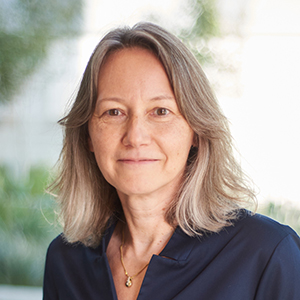 Jutta Deckert, PhD, Vice President, Research & Development, Iksuda Therapeutics
VP
Iksuda TherapeuticsJutta Deckert is the VP of Research & Development at Iksuda Therapeutics where she is responsible for designing and implementing the company’s pipeline strategy across research, preclinical and clinical activities for the advancement of novel ADC therapeutic candidates.
She previously served as a Global Program Team Director with Servier following the Shire Oncology acquisition in 2018 and oversaw development of antibody and CAR-T assets to Phase 1 POC in solid tumor indications and hematologic malignancies. She began her career in the ADC field at ImmunoGen in 2002, where she held a range of positions of increasing responsibility in Research and Development. At ImmunoGen she was a key contributor to the successful progression of multiple compounds into clinical development, including CD38-targeting isatuximab (approved for treating multiple myeloma) and an CD37-targeting ADC, naratuximab emtansine, for the treatment of B-cell malignancies.
She earned her Ph.D. in biology from the University at Albany, State University of New York and completed a postdoctoral fellowship at Harvard Medical School.
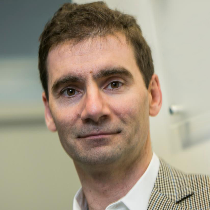 Matthew DeLisa, PhD, Director, Cornell Institute of Biotechnology, Cornell University
William L Lewis Professor of Engineering
Cornell UniversityMatthew P. DeLisa is the William L. Lewis Professor of Engineering in the School of Chemical and Biomolecular Engineering at Cornell University and also the Director of the Cornell Institute of Biotechnology. His research focuses on understanding and controlling the molecular mechanisms underlying protein biogenesis -- folding and assembly, membrane translocation and post-translational modifications -- in the complex environment of a living cell. He received a B.S. in Chemical Engineering from the University of Connecticut in 1996; a Ph.D. in Chemical Engineering from the University of Maryland in 2001; and did postdoctoral work at the University of Texas-Austin, Department of Chemical Engineering. DeLisa joined the Department of Chemical and Biomolecular Engineering at Cornell University in 2003. DeLisa has received over a dozen honorific distinctions and prestigious awards for his accomplishments in research including an NSF CAREER Award, a NYSTAR Watson Young Investigator Award, a Beckman Foundation Young Investigator Award, an MIT Technology Review TR35 Award (Top 35 Young Innovators under the age of 35), an Office of Naval Research Young Investigator Award, a NYSTAR Distinguished Faculty Award, the Wiley-Blackwell Biotechnology and Bioengineering Wang Award, and the American Chemical Society BIOT Division Young Investigator Award. More recently, DeLisa was selected to the IDA/DARPA Defense Science Study Group in 2014 and was elected as a fellow of the American Institute for Medical and Biological Engineering in 2014, the American Academy of Microbiology in 2019, and the American Association for the Advancement of Science in 2019.
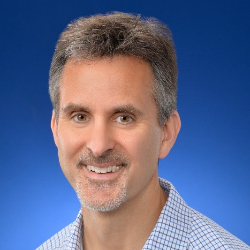 Stephen J. Demarest, PhD, CSO, Tentarix Biotherapeutics
CSO
TentarixDr. Demarest is the Chief Scientific Officer at Tentarix Biotherapeutics, a company with a platform for delivering powerful biological activity directed in a highly targeted manner using affinity and avidity to achieve specificity. Prior to joining Tentarix in 2020, he held positions at Lilly, Biogen Idec, Diversa Corp., and Syngenta, working as a Protein Chemist/Engineer on antibody and protein therapeutics design and biochemistry. He performed his graduate work at SUNY Stony Brook, studying protein-folding mechanisms. He was an NIH-sponsored postdoctoral fellow at the Scripps Research Institute, studying the structure, folding, and binding of nuclear co-activator proteins.
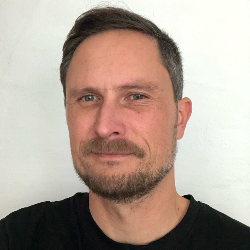 Stefan Dengl, PhD, Science & People Lead, Biologics Core Technologies (BCT), Roche Diagnostics GmbH
Science & People Lead
Roche Diagnostics GmbhStefan studied Biology at the Ludwig-Maximilians-Universität München (LMU) and completed his PhD at the Gene Center Munich, focusing on the structural biology and function of transcription factors. Since joining the Roche Innovation Center Munich (RICM) in 2010, he has held roles across several scientific disciplines, including structural biology, rational protein design, and high-throughput screening. He is currently a Senior Principal Scientist and People Lead within the Biologics Core Technologies department of the Large Molecule Research (LMR) Discovery Unit at RICM.
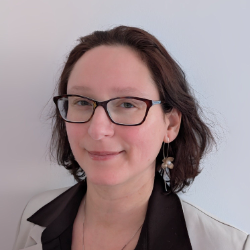 Genevieve Desjardins, PhD, Associate Director, Protein Engineering, Zymeworks
Associate Director
Zymeworks IncGenevieve Desjardins is the Associate Director of Protein Engineering at Zymeworks, where she contributes to the discovery and development of next-generation multispecific antibody therapeutics. Her work in protein engineering has supported multiple clinical-stage programs, including Ziihera® (zanidatamab), a biparatopic HER2 targeted antibody, ZW171, a mesothelin targeted T cell engager, as well as ZW209, a DLL3-targeted T cellengager with CD28 co-stimulation. Her contribution spans from early discovery through IND filing with a focus on engineering robust therapeutic molecules to tackle complex biological problems. Genevieve has over a decade of industry experience working on antibody drug development, platform engineering and leading programs across oncology and immunology indications. Her contributions have helped drive innovative approaches to multispecific design, including optimization of format, affinity, stability, and manufacturability. Genevieve is passionate abouttranslating cutting-edge protein engineering technologies into impactful medicines for patients and actively engages in scientific collaboration and knowledge sharing within the biotech community.
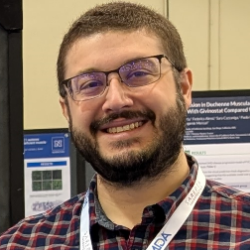 Cody Desjardins, PhD, Director, Neuromuscular Research, Dyne Therapeutics Inc.
Director
Dyne Therapeutics IncI've focused my career on designing novel therapeutics for neuromuscular diseases. After a brief stint at Sarepta Therapeutics, I helped launched Dyne Therapeutics and have helped pioneer targeted delivery of exon skipping therapies for DMD focused both on preclinical models and clinical translation.
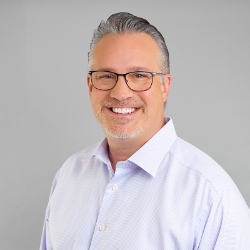 John R. Desjarlais, PhD, CSO, Xencor
CSO
Xencor IncDr. Desjarlais is the Executive Vice President, Research and CSO at Xencor, Inc. Since joining Xencor in 2001, Dr. Desjarlais has overseen the company’s engineering, discovery, and preclinical work on antibodies and other proteins. With his coworkers, Dr. Desjarlais has developed several novel technologies for the optimization of antibodies and other proteins, including a platform for generation of bispecific antibodies, and has led the discovery of multiple therapeutic antibody candidates, including CD3 bispecific antibodies, checkpoint bispecific antibodies, and cytokine-Fc fusions for treatment of a variety of diseases. Dr. Desjarlais oversees all of Xencor’s discovery research and preclinical activities, from project conception and candidate generation through preclinical proof-of-concept and early development. Prior to Xencor, Dr. Desjarlais was an Assistant Professor of Chemistry at Penn State University (1997-2001), where he developed and tested methods for the de novo design of protein sequences. He began his work in the field of protein design as a Jane Coffin Childs Fellow at UC Berkeley. Dr. Desjarlais holds a PhD in Biophysics from the Johns Hopkins University and a BS degree in Physics from the University of Massachusetts, Amherst.
 David J. DiLillo, PhD, Executive Director, Immuno-Oncology, Regeneron Pharmaceuticals
Executive Director
Regeneron Pharmaceuticals IncDavid DiLillo is an Executive Director in the Immuno-Oncology department at Regeneron Pharmaceuticals in New York, where he leads a team developing novel immunotherapies to treat cancer. His team is responsible for target discovery and the preclinical development of immune cell-engaging multi-specific antibodies to treat liquid and solid tumors. His team also develops cell-based therapies and works to understand detailed mechanisms-of-action of immunotherapies in order to advance next-generation therapeutics. Dr. DiLillo holds a PhD in Immunology from Duke University, where he studied non-classical B cell effector functions, and he completed his postdoctoral studies in Fc-receptor biology at the Rockefeller University.
 Rakesh Dixit, PhD, DABT, CEO & President, Bionavigen Oncology, LLC; CSO, TMAB Therapeutics, Regio Biosciences
CEO & President
Bionavigen Oncology, LLC and Regio BiosciencesRakesh Dixit is an accomplished executive, inventor, and scientist with over 35 years of success with top biotechnology and pharmaceutical companies, including Merck, Johnson & Johnson, and Medimmune - AstraZeneca. Currently, he is President and CSO of Regio Biosciences and Bionavigen, LLC. He is a Board Member of Regio Biosciences and a key member of multiple scientific advisory boards. Rakesh is also a chief adviser and consultant for more than 20 companies worldwide. His biopharmaceutical peers selected Rakesh as one of the 100 Most Inspiring People in the Pharmaceutical Industry by PharmaVOICE in 2015. Rakesh received the Most Prestigious Award of Long-Standing Contribution to ADCs by World ADC (Hanson-Wade), 2020. From 2006 to 2019, Rakesh was a Global Vice President of the Biologics R&D at Medimmune - AstraZeneca. Rakesh has unique expertise in developing biologics (e.g., monoclonal antibodies, bispecific biologics, antibody-drug conjugates, fusion proteins, peptides, gene and cell therapies, etc.) and small-molecule biopharmaceuticals. His areas of expertise include discovery, early and late preclinical development, safety assessment, DMPK, and translational sciences. Dr. Dixit conducted extensive graduate and post-graduate training in Pharmacology/Toxicology–Biochemistry with both Indian and USA institutions (e.g., Case Western Reserve University, Medical College of Ohio, University of Nebraska) and is a Diplomate and Board Certified in Toxicology from the American Board of Toxicology, Inc. since 1992.
 Stephanie K. Dougan, PhD, Associate Professor, Cancer Immunology and Virology, Dana Farber Cancer Institute
Associate Professor
Dana Farber Cancer InstituteStephanie Dougan, PhD is an Associate Professor of Cancer Immunology and Virology at Dana-Farber Cancer Institute and an Associate Professor of Immunology at Harvard Medical School. Her lab studies the immune response to tumors such as pancreatic cancer that do not induce a CD8 T cell response at baseline. She collaborates with basic and clinical faculty through the DFCI Hale Center for Pancreatic Cancer Research to work on advancing new therapeutics for patients with pancreatic cancer and other GI malignancies, including targeted delivery of synthetic cytokines. Dr. Dougan is a Pew-Stewart Scholar in Cancer Research, a member of the Parker Institute for Cancer Immunotherapy, a member of the Ludwig Center at Harvard, and a member of Break Through Cancer. She is dedicated to training young scientists and is the Director of the Harvard Immunology Summer Research Program and the course director for AISC Immunology at Harvard Medical School.
 Matthew R. Drew, Eukaryotic Protein Expression Lead, Protein Expression Lab, Frederick National Lab for Cancer Research
Eukaryotic Protein Expression Lead
Frederick National Lab for Cancer ResearchMatthew is currently the head of the Eukaryotic Expression Group for Protein Expression Laboratory (PEL) at the Frederick National Laboratory for Cancer Research in Frederick, Maryland. The Eukaryotic Expression Group expresses a variety of proteins in support of the NCI RAS Initiative and for investigators at the National Institutes of Health. The Eukaryotic Expression Group also focuses heavily on inventing and developing novel technologies to improve protein expression and production with a focus primarily on baculovirus production. Matthew received his undergraduate degree at the University of Maryland and then went to work as a Production Scientist at Trevigen, Inc. where he helped to express and produce the company’s large portfolio of products as well as help in the development of many of their new products. Matthew joined the PEL in 2015 and has since helped the PEL and RAS Initiative to improve the overall expression of numerous proteins and complexes.
 Zhimei Du, MD, PhD, CEO, DeepTarget Biotherapeutics
CEO
DeepTarget BioDr. Zhimei Du is a leader in the fields of Biologics and cell/gene therapies with significant experience in both early and late-stage development. Currently assuming the role of Founder and Chief Executive Officer at DeepTarget Bio, a startup biotech focusing on AI-powered drug development for cancer and fibrosis. Prior to founding DeepTarget Bio, Dr. Du served as Chief Scientific Officer at BlueSphere Bio, Leading Research and Development, directing efforts toward the further advancement of Neoantigen technologies and TCR-based therapeutics development across various disease areas. Dr. Du also served as Vice President at Atara Biotherapeutics, where she focused on accelerating the progress of both early and late-stage cell therapy pipelines, and later as Vice President at Landmark Bio, building and overseeing Translational Research and Early Development. Notably, her tenure at Merck & Co. as Executive Director and Global Head of Process Cell Sciences saw her establish innovative core functions and multi-site teams on a global scale, particularly in cell therapy and biologics development. Dr. Du has been instrumental in driving successful business development initiatives, evaluating and forging partnerships in biologics, ADC, cancer vaccine, CAR-T, and CAR-NK programs. Her extensive research contributions encompass a myriad of patents and publications in cell and gene therapy, process development, protein engineering, cell engineering, vector engineering, and genetic/epigenetic biomarker development.
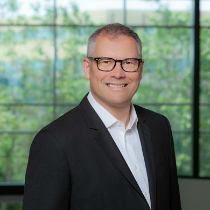 Jakob Dupont, MD, Executive Partner, Sofinnova Investments
Executive Partner
Sofinnova InvestmentsJakob Dupont brings more than two decades of experience in the field of oncology and other therapeutic areas, in developing therapies and programs dedicated to addressing high unmet medical needs. He is currently a member of the board of directors for Avenzo Therapeutics.
Prior to joining Sofinnova, Jakob was previously Global Head of Research & Development (R&D) and Executive Vice President at Atara Biotherapeutics, where he helped lead efforts to secure regulatory approval of the first-in-kind product, Ebvallo® and advancing a multiple sclerosis candidate (ATA188) to a key Phase 2 read out. Prior to Atara, he served as the Chief Medical Officer at Gossamer Bio, overseeing global development, regulatory, and quality activities for the company, and advancing therapeutics in the disease areas of immunology, inflammation, and oncology. Before Gossamer Bio, Jakob served as Vice President and Global Head of Breast and Gynecologic Cancer Development for Genentech/Roche, where he was responsible for the global development of Herceptin®, Perjeta®, Kadcyla®, Tecentriq®, among others, and where he previously led the development of Avastin® for GYN and Breast Cancers when starting his industry career. Jakob was also Chief Medical Officer and Senior Vice President of OncoMed Pharmaceuticals, Inc., where he oversaw the successful submissions of eight investigational new drug applications (INDs) and 26 clinical trial initiations. Through his industry career he has received numerous grants and awards, contributed to 12 regulatory approvals, 13 successful IND filings, co-authored 47 peer-reviewed publications, and has 18 patents.
Jakob received his M.D. from the Joan & Sanford I. Weill Medical College of Cornell University and his M.A. in philosophy from New York University. He also served as Assistant Chief Resident and completed his Medical Oncology Fellowship at Memorial Sloan Kettering Cancer Center (MSK), his Internal Medicine Residency at the New-York Presbyterian Hospital — Cornell Campus, and his Internal Medicine Internship at The University of Michigan Medical Center.
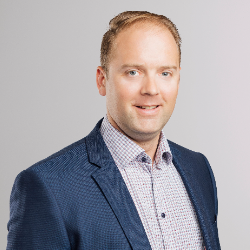 Dave Easterhoff, PhD, Director, Platform Immunology and Research & Innovation, Moderna
Director
ModernaDavid Easterhoff is a Director of Immunology at Moderna, where he provides scientific and strategic leadership for autoimmune disease research programs spanning early discovery through exploratory translational research. He leads multidisciplinary teams focused on developing novel mRNA-lipid nanoparticle (LNP) therapeutics, with an emphasis on antigen-specific immune tolerance and targeted modulation of undesired immune responses. His work aims to translate innovative mRNA technology and immunology research into transformative treatments for patients with autoimmune diseases.
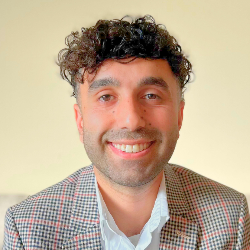 Sasha B. Ebrahimi, PhD, Scientific Leader, Emerging Drug Delivery Platforms, GlaxoSmithKline
Scientific Leader
GSKSasha Ebrahimi earned his B.S. from the University of Illinois at Urbana-Champaign in 2016 with in Chemical Engineering. He then went on to earn his PhD in 2021 at Northwestern University working with Professor Chad Mirkin. Sasha joined GSK in 2021 where he is currently a Scientific Leader in the emerging drug delivery platforms team. Sasha’s research at GSK has focused on finding new strategies to enhance the biochemical properties of protein- and oligonucleotide-based therapeutics, thereby boosting these molecule’s clinical efficacy and prospects for successful development. His work has been recognized with >20 awards of national and international scope, including the American Institute of Chemical Engineers (AIChE) 35 Under 35 award, the CASSS Next Generation Investigator award, and selection as a STAT Wunderkind.
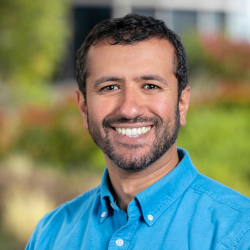 Adel ElSohly, PhD, Group Leader, Protein Chemistry, Genentech, Inc.
Principal Scientist
Genentech IncDr. Adel ElSohly is a Principal Scientist and Group Leader at Genentech in the Protein Chemistry department within the Large Molecule Drug Discovery group. In addition, he holds a joint appointment in Immunology Discovery. His PhD research was in organic synthesis and catalysis at Columbia University. After completing his PhD, Adel performed his postdoctoral studies at UC Berkeley focusing on new bioconjugation technologies and the development of functional protein-based biomolecular materials. Since joining Genentech, Adel's research has focused on the design and application of novel and emerging modalities to address critical unmet medical needs across a broad range of therapeutic areas. In his spare time, Adel enjoys rock climbing, woodworking, and watching his kids play soccer.
 Ryan Emerson, PhD, Vice President, Data Science, A Alpha Bio Inc.
VP
A Alpha Bio IncRyan Emerson is a computational biologist with over a decade of experience designing algorithms and pipelines for analyzing high-throughout sequencing data at scale and building machine learning models with large sequence datasets. He has led the development and launch of computational infrastructure for multiple platform technologies and clinical products. As Vice President of Data Science at A-Alpha Bio, Ryan leads the development and application of AlphaBind, utilizing the immense size and quantitative resolution of AlphaSeq data to build ML models that accelerate the design and optimization of new therapeutics.
 Julian Englert, MS, Co-Founder and CEO, Adaptyv Biosystems
CoFounder & CEO
Adaptyv BiosystemsCEO & Cofounder of Adaptyv Bio. Protein designers should be designing, not pipetting. We build automated wet labs to allow you to synthesize and test any protein you design!
 Amy Erbe-Gurel, PhD, Research Assistant Professor, Hematology, Oncology, Transplant & Cellular Therapy, University of Wisconsin–Madison
Research Asst Prof
Univ of Wisconsin MadisonAmy Erbe, PhD, is a cancer immunologist focused on developing tumor-targeted immunotherapies for high-risk pediatric cancers. As a Research Assistant Professor in the Department of Pediatrics at the University of Wisconsin-Madison, she studies how immune cells interact with cancer and how these interactions can be manipulated to enhance therapeutic responses. Using translational studies and preclinical tumor models, Dr. Erbe investigates how tumor-targeted immunotherapies reshape the tumor microenvironment and promote durable antitumor immunity. Her current work centers on GD2-targeted therapies for high-risk neuroblastoma, including the development of a bispecific anti-GD2×anti-CD40 antibody designed to activate antitumor immunity directly within tumors, thereby improving therapeutic efficacy while reducing treatment-related toxicity. Her research aims to translate mechanistic insights into more effective and less toxic immunotherapies for children with high-risk cancers.
 Ertan Eryilmaz, PhD, Vice President Biologics, InduPro Boston
VP Biologics
InduPro BostonErtan Eryilmaz is Vice President of Biologics at InduPro, where he leads the Molecular Discovery Engineering and Protein Sciences teams. He provides scientific leadership and strategic direction with a focus on advancing biologics from target identification through IND. Previously, Ertan was VP of Biologics at Xilio Therapeutics, directing discovery strategies for new biologics-based therapies. At Takeda Oncology, he managed antibody discovery campaigns, led technology development, and contributed to a robust immuno-oncology pipeline. Earlier, he headed the Biotherapeutics Engineering team at Agensys (Astellas Pharma), where his group discovered enfortumab vedotin (PADCEV), an FDA-approved nectin-4 ADC. He also contributed to bispecific antibody format development at Boehringer Ingelheim, with several candidates now in clinical trials. Ertan holds a B.S. in Physics from the Middle East Technical University and a Ph.D. in Physics from the City University of New York. He completed postdoctoral research at Weill Cornell Medical College and Albert Einstein College of Medicine and is an inventor on multiple patents and co-author of numerous publications in biologics R&D.
 Leonardo M. R. Ferreira, PhD, Assistant Professor, Pharmacology and Immunology, Medical University of South Carolina
Assistant Professor
Medical University of South CarolinaDr. Ferreira's goal is to control how the immune system recognizes self and non-self. He is an Assistant Professor of Pharmacology and Immunology at the Medical University of South Carolina (MUSC) and the Hollings Cancer Center. He obtained a B.Sc. in biochemistry at the University of Coimbra, Portugal. As a Ph.D. student at Harvard University with Dr. Jack Strominger and Dr. Chad Cowan, he was the first to report the use of CRISPR/Cas9 genome editing in primary human cells – hematopoietic stem cells (HSCs) and CD4+ T cells – ablating CCR5 and B2M expression and demonstrating that edited HSCs generated lymphoid and myeloid cells in humanized mice. He also helped generate hypoimmunogenic human pluripotent stem cells (hPSCs) via CRISPR/Cas9-mediated gene knock-out and knock-in and demonstrate protection from immune attack in vitro and in humanized mice and uncovered a novel enhancer element regulating the expression of HLA-G, a non-classical human leukocyte antigen (HLA) molecule key to maternal-fetal tolerance. As a postdoctoral scholar with Dr. Qizhi Tang and Dr. Jeffrey Bluestone at the University of California San Francisco (UCSF), he created an anti-HLA-A2 chimeric antigen receptor (CAR) and used CRISPR/Cas9 to knock it in the endogenous T cell receptor (TCR) gene locus in human regulatory T cells (Tregs). HLA-A2 CAR Tregs were suppressive and trafficked to human HLA-A2+ islets in humanized mice. In his laboratory at MUSC, together with his trainees and his collaborators, he is designing and developing the next generation of engineered regulatory T cell therapies for autoimmune disease, cancer, and aging.
 Nicolas Fischer, PhD, CEO, Light Chain Bioscience
CEO
Light Chain BioscienceNicolas Fischer obtained a PhD in Biology from the Department of Molecular Biology University of Geneva on the structure and function of photosynthetic complexes. As a postdoctoral fellow he joined the Group of Sir Greg Winter at the MRC Department of Molecular Biology in Cambridge UK to study protein folding and Antibody engineering using phage display. In 2001 he joined NovImmune and led several therapeutic antibody discovery programs that have reached clinical development stage and developed next generation bispecific therapeutic antibodies. After the successful divestment of the FDA approved anti-INFg antibody Emapalumab, Novimmune now focuses on its bispecific technology under the brand Light Chain Bioscience in which Nicolas serves as CEO.
 Hayden Fisher, Scientist, European Synchrotron Radiation Facility
Scientist
European Synchrotron Radiation FacilityDr Hayden Fisher is a scientist on the BM29 BioSAXS beamline at the European Synchrotron Radiation Facility (ESRF) in Grenoble, France, with research focused on how antibody structure, flexibility and conformation govern biological function. Trained in biochemistry, structural biology and molecular simulation at the University of Southampton, Dr Fisher completed a PhD on integrative studies of antibody structure–function relationships, followed by a postdoctoral fellowship in structural cancer immunology. That work combined X-ray crystallography, small-angle X-ray scattering (SAXS) and molecular dynamics simulations to understand why some immunomodulatory antibodies are potent agonists while others are not. It showed that hinge disulfide patterns in human IgG2 control antibody conformation and receptor signalling (Science Immunology, 2022). It also led to structure-guided disulfide engineering strategies that restrict antibody flexibility to enhance agonism of TNF receptor superfamily targets such as CD40 and 4-1BB (Nature Communications, 2025), including the antibody “clamp†design behind a recent patent application. More recent work has shown how binding geometry and affinity determine agonism versus antagonism of the inhibitory receptor Fc?RIIB (Immunity, 2026). At the ESRF, Dr Fisher helps run the BM29 beamline, supports visiting users, develops automated SAXS modelling and integrative structural workflows, and teaches SAXS on international courses, while continuing to collaborate with the University of Southampton as a Visiting Fellow.
Polly M. Fordyce, PhD, Assistant Professor, Genetics, Stanford University
Asst Prof
Stanford Univ
 Bernard A. Fox, PhD, Member & Harder Family Endowed Chair in Cancer Research, Molecular and Tumor Immunology Laboratory, Earle A. Chiles Research Institute, Providence Cancer Institute
Endowed Chair Cancer Research & Chief
Providence Cancer InstituteFor more than 30 years, Dr. Fox has directed his research efforts at improving the effectiveness of cancer immunotherapy. An expert in tumor immunology and immune profiling, he leads the Laboratory of Molecular and Tumor Immunology at the Earle A. Chiles Research Institute, a Providence Center of Excellence for immuno-oncology and cellular therapy. He also oversees the Biospecimen Repository, a core facility of the Earle A. Chiles Research Institute. Dr. Fox’s background in translational cancer immunotherapy developed from his tenure as a fellow in Dr. Steven Rosenberg’s lab at the National Cancer Institute. His research efforts are divided between preclinical models; the development, performance and monitoring of cancer immunotherapy trials; and the training of the next generation of translational investigators.
 William Freed-Pastor, MD, PhD, Assistant Professor, Medicine, Harvard Medical School
Assistant Professor
Dana-Farber Cancer InstituteOur laboratory is focused on dissecting the mechanisms of immune escape and tumor-immune crosstalk in pancreatic cancer and other malignancies, with the overarching goal of rapidly using these insights to guide therapeutic advances for cancer patients. Utilizing high-resolution immunopeptidomics on patient-derived organoids and primary tumors, we have conducted extensive antigen discovery work in pancreatic cancer in recent years. This work uncovered aberrant translation of the putatively non-coding genome (“dark proteomeâ€) as a novel source for shared cancer-restricted HLA-I bound peptides capable of recognition by cytotoxic T lymphocytes. In addition, we established a T cell receptor (TCR) discovery and validation pipeline in which engineered TCR-T cells are functionally vetted for activity against patient-derived organoids. We have successfully used this platform to identify numerous neoantigen- or cryptic antigen-specific TCRs, and ongoing efforts are aimed at expanding this platform to accelerate effective cellular therapies in pancreatic cancer. Moreover, our laboratory has developed sophisticated preclinical mouse models to enable functional dissection of immune evasion in pancreatic cancer through in vivo CRISPR-based genetic engineering. We are currently leveraging these models to functionally interrogate putative mechanisms of immune evasion and T cell dyslocalization, as well as preclinically evaluating combination immune-based therapeutic strategies in pancreatic cancer. The current major focus of our laboratory thus involves understanding the optimal antigen sources for effective T cell-based therapies in pancreatic cancer and other malignancies and utilizing these insights to develop novel therapeutics. We are also deeply involved in immuno-oncology clinical trials at Dana-Farber Cancer Institute to accelerate the development of effective immune-based therapies for pancreatic cancer.
 Lisa Elizaveta Freinkman, PhD, SVP, Discovery, Epana Bio
SVP, Discovery
Epana BioElizaveta (Lisa) Freinkman joined Epana as founding head of R&D in January of 2025. Epana is a fully virtual startup focused on leveraging genomics and AI to build transformative biologic therapies for patients with autoimmune disease. As SVP and head of Discovery, Lisa is responsible for advancing Epana's therapeutic programs through strategic planning, portfolio and program leadership, and hands-on management of complex collaborations with multiple in vitro and in vivo research service providers. In her previous role as Director of Strategic Research at Immunai, Lisa led the buildout of the target discovery and preclinical applications of Immunai's single-cell multi-omics and AI platforms, and led a successful target discovery partnership with a top 10 global pharma. Lisa's technical background is in protein and lipid biochemistry and metabolomics. After earning a Ph.D. in Chemical Biology at Harvard, Lisa co-founded and then directed the Metabolite Profiling Core Facility at the Whitehead Institute of MIT, where her work contributed to over 25 high-profile peer-reviewed journal articles. Lisa subsequently joined the R&D group at Metabolon in Durham, NC, focusing on lipidomic platform development, novel metabolite identification, and generation of molecular-level insights from large-scale datasets. A growing interest in translational research and program management took Lisa to Locus Biosciences, where she rose to the rank of Director of Translational Medicine. In this capacity, she led a team of six scientists in the design and execution of rodent models of infectious disease and IBD, including IND-enabling studies of the company's lead therapeutic asset. In parallel, Lisa also served as the program/alliance lead for a large pharma-partnered research collaboration
 Steven J. Frey, PhD, Senior Scientist, AstraZeneca
Senior Scientist
AstraZenecaSteven Frey is a Senior Scientist in the Protein Engineering and Novel Modalities group within Biologics Engineering at AstraZeneca. His work focuses on the design and characterization of multispecific antibodies for diverse therapeutic applications. Prior to joining AstraZeneca, Steven worked in downstream process development at GSK. Steven holds a B.S. in Chemical Engineering from the University of Michigan and earned his Ph.D. in Chemical & Biomolecular Engineering from the Georgia Institute of Technology.
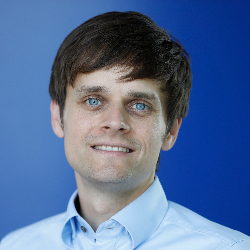 Norbert Furtmann, PhD, Head, Biologics AI & Design, Computational and AI Strategy, Sanofi
Global Head of Biologics AI & Design
SanofiUpon finishing his studies in Pharmaceutical Sciences, Dr. Furtmann pursued his interdisciplinary Ph.D. in Computational Life Sciences and Pharmaceutical Chemistry at the University of Bonn's B-IT (Bonn-Aachen International Center for Information Technology), a leading center for AI and computational research. Since joining Sanofi in 2016, he has held various roles focused on computational and AI-based biologics design. Currently, Dr. Furtmann heads the global Biologics AI & Design teams within Sanofi's Computational and AI Strategy organization, spanning next-generation foundational models, virtual screening and property prediction, and de novo design for next-generation biotherapeutic modalities.
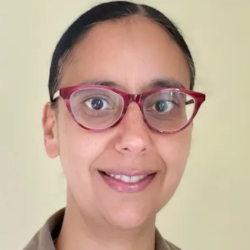 Amandeep Gakhal, PhD, Senior Director, Biology, Hexagon Bio
Senior Director, Biology
Hexagon BioAmandeep Gakhal, PhD, is Senior Director of Biology at Hexagon Bio, focused on discovery and translation of ADCs with novel payloads designed to overcome resistance to current therapies. From 2013 to 2024, she held leadership roles in biologics discovery, engineering, and screening at Sutro Biopharma. Her teams have delivered clinical candidates including topoisomerase I and tubulin inhibitor ADCs, dual-payload ADCs, and engineered cytokines. She previously worked in oncology drug discovery and biologics engineering at Celldex Therapeutics and the University of Toronto, and is an inventor on multiple ADC and engineered biologics patents. Amandeep holds a PhD in Immunology and Virology from The Scripps Research Institute.
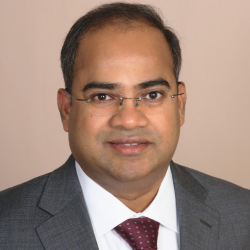 Rajkumar Ganesan, PhD, Vice President, Protein Engineering, Life Arc Bio
VP
Third Arc BioAs Vice President of Biotherapeutics at Third Arc Bio, Raj Ganesan leverages over two decades of biotech experience in advanced biologics discovery and clinical development. His career includes leadership positions at Amgen, Johnson & Johnson and Boehringer Ingelheim, where he contributed to advancing numerous molecular and cellular therapies into the clinic, such as the discovery of SPEVIGO. Raj earned his PhD in Molecular Biology from the University of Zurich.
 Fernando Garces, PhD, Co-Founder and CEO, BioGlyph
Co-Founder and CEO
BioGlyphFernando is a recipient of the 2015 Scripps CHAVI-ID Young Investigator Award for outstanding contributions to the development of an anti-HIV-1 vaccine to elicit broadly neutralizing antibodies against this virus. His research career started when he was awarded an international PhD fellowship to join the University of Barcelona, Spain, in 2004. After finishing his PhD in Biotechnology, he moved to the Institute of Cancer Research in London, UK, where he started his postdoctoral research to work on proteins involved in the DNA repair and to unveil molecular mechanisms that made possible their application as oncologic targets. In 2012, he joined the Professor Ian Wilson’s lab at The Scripps Research Institute, where he became an expert in understanding the molecular details that mediate the antibody-protein recognition such as the glycoprotein-gp160 located on the surface of the HIV-1 trimer. In 2016, Fernando Garces joined Amgen Research to build & lead a team of Protein Engineering with focus on the design of a new generation of large and non-native molecules with high therapeutic value – Multispecifics.
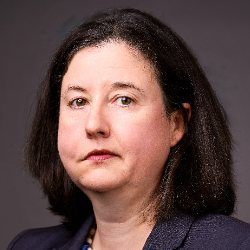 Shyra J. Gardai, PhD, CSO, EpiBiologics
CSO
EpiBiologicsI am the Chief Scientific Officer at EpiBiologics. I bring over 20 years of experience as an executive manager leading innovative discovery research groups focused on turning novel ideas into clinical stage therapies to battle cancer, autoimmune, and neurodegenerative diseases. During my time at Elan Pharmaceuticals and Seagen, I headed the discovery and delivery of over 6 phase 1 clinical candidates that integrated novel antibody, chemistry, and protein engineering technologies. Most recently I was the Vice President of Therapeutic Discovery Research at Seagen where she led a 60+ member team comprised of chemists, protein engineers, immunologist and cancer biologist focused on discovering new treatments for cancer patients. I trained as an Immunologist at the University of Colorado and went on to complete a postdoctoral research fellowship in the Department of Immunology at National Jewish Health.
 Francis Gaudreault, PhD, Associate Research Officer, Human Health Therapeutics, National Research Council Canada
Research Officer
National Research Council CanadaFrancis obtained his PhD in Biochemistry from University of Sherbrooke in 2015, during which he developed a molecular docking program for docking small molecules to flexible protein or RNA targets. While doing his PhD studies, Francis co-founded a successful IT company for automating the management of scientific conferences. Francis joined the National Research Council (NRC) of Canada in 2016, where he has taken part in and led various efforts in the discovery and engineering of antibodies or other biologics. In such efforts are included the structure prediction of antibodies alone or in complex, the affinity assessment of antibody-antigen complexes, and the detection of antibody developability issues. Francis is leading the technical efforts in using artificial intelligence for antibody discovery.
 Alayna George Thompson, PhD, Associate Director, Drug Product Development, AbbVie
Associate Director
AbbVie IncAlayna is an Associate Director within Biologics CMC Developability at AbbVie. Her team oversees biophysical and structural screening of biotherapeutic candidates in late Discovery timelines. Training in structural biology and mass spectrometry inform her interest in developing mechanistic based understanding of protein structure/function relationships. Additionally, she is interested in maximizing the impact of the complex data sets enabled by recent advances in analytical techniques and data capture.
 Nimish Gera, PhD, Co-Founder and CSO, Stealth NewCo
Co-Founder and Chief Scientific Officer
Stealth NewCoNimish Gera is an independent consultant and biotech executive with broad experience across antibody-based modalities including mono- and bispecific antibodies, protein fusions, and antibody-drug conjugates (ADCs) across several therapeutic areas such as oncology, immunology, autoimmune, and rare diseases. He has held scientific and/or leadership roles at companies ranging from early-stage startups like Mythic Therapeutics and Oncobiologics to large organizations such as Alexion Pharmaceuticals and Genentech. With more than fifteen years in drug development, Nimish has successfully advanced complex bispecific and ADC programs from concept through preclinical and early clinical stages. He serves as Associate Editor of the journal mAbs, hosts the Chain Protein Engineering podcast, and teaches the Developability of Bispecific Antibodies short course at the PEGS Boston and Europe conferences. Nimish has a proven track record of bringing multiple drug candidates to clinical trials, publishing peer-reviewed articles, building IP portfolios, and chairing national and international meetings on antibody therapeutics. He holds a PhD in Chemical and Biomolecular Engineering from North Carolina State University and a B.Tech in Chemical Engineering from the Indian Institute of Technology, Guwahati.
 Tariq Ghayur, PhD, Tariq Ghayur Consulting, LLC; Entrepreneur in Residence, FairJourney Biologics
Consultant/EIR
Tariq Ghayur Consulting LLC/FairJourney BiologicsDr. Ghayur retired from AbbVie (July 2021) and works as an independent consultant. He has 30+ years’ experience leading multi-disciplinary and cross-therapeutic area Biologics discovery programs and developing novel Biologics platforms. Several biologics programs resulted in clinical development candidates. Dr. Ghayur led the team that pioneered the discovery and development of the Dual – variable – Domain -Ig (DVD-Ig) and other multi-specific platforms. Dr. Ghayur also led the team that defined the uptake, intracellular trafficking, and lysosomal degradation of anti-TNF mAbs/DVD-Ig, resulting in the concept of anti-TNF-ADC (next-Gen anti-TNF). In addition, Dr. Ghayur proposed and helped implement several corporate-wide (Abbott & AbbVie) initiatives to foster cross-functional/cross-TA collaborations to bring forward innovative concepts/programs.
 Swapnil V. Ghodge, PhD, Scientist IV, Biological Chemistry, Genentech, Inc.
Scientist 4
Genentech, Inc.Swapnil Ghodge is a drug discovery scientist with deep expertise in proteins and peptides. In the Department of Biological Chemistry at Genentech, he works at the interface of target assessment, hit discovery and lead optimization for proteins as both targets and therapeutics, and peptides. He has successfully led several drug discovery projects from the bench through governance milestones. He is also experienced in biopharma portfolio strategy and planning. Before joining Genentech, he was trained in enzymology during his PhD at Texas A&M University Department of Chemistry, and peptide natural product biosynthesis and engineering during his postdoctoral training at the University of North Carolina Eshelman School of Pharmacy.
 Clare Gillis, DPhil Student in Statistics, University of Oxford
DPhil Student in Statistics
University of OxfordClare Gillis is a DPhil student in Statistics at the University of Oxford, where she is a member of the Oxford Protein Informatics Group (OPIG) under the supervision of Professor Charlotte Deane. In collaboration with AstraZeneca, her research focuses on expanding the nanobody drug design space. She holds an HBSc in Bioinformatics and Computational Biology from the University of Toronto.
 Jochem Gokemeijer, PhD, Distinguished Scientist, Biologics Discovery, Johnson & Johnson
Distinguished Scientist
Johnson & JohnsonJochem is currently at Johnson and Johnson focused on non-clinical immunogenicity of biologics Before that he was at Bristol-Myers Squibb for 14 years in different roles of responsibility focused on biologics drug development. For the last 8 years he has been focused on building a group for pre-clinical immunogenicity risk assessment and mitigation. He received his training at the University of Groningen and the Dana Farber Cancer Institute.
 Victor S. Goldmacher, PhD, CSO, Research & Development, ImmuVia
CSO
ImmuVia, Inc.30+ year experience in targeted cancer therapeutics, antibody technologies, and the biology of apoptosis Pivotal role in the discovery of three FDA approved anti-cancer biologics (ElahereTM, SarclisaTM and KadcylaTM) Started as Assistant Professor of Pathology – Harvard Medical School & Dana-Farber Cancer Institute, followed by many years at ImmunoGen, Inc. Currently CSO at ImmuVia, Inc.
 Boris Gorovits, PhD, Vice President, Non-Clinical and Clinical Bioanalysis, Regeneron
VP Non-clinical and Clinical Bioanalysis
Regeneron
 Elsa Gore, PhD, Senior Principal Scientist, Cell Engineering & Analytical Sciences, Johnson & Johnson Innovative Medicine
Senior Principal Scientist
Johnson & Johnson Innovative MedicineElsa Gorre is a Senior Principal Scientist at J&J Innovative Medicine. In this role, she provides analytical support through protein characterization for the high-producing manufacturing cell line. Elsa is responsible for leading a small team developing mass spectrometry methods in characterizing biotherapeutics, peptide quantitation and metabolomics in the group.
Elsa has been with JNJ for 8 years. She received her PhD in Mass Spectrometry from Drexel University.
 Monica Gostissa, PhD, CSO, Matrisome Bio
CSO
Matrisome BioDr. Monica Gostissa is the Vice President of Preclinical Sciences at Jounce Therapeutics, where she leads a multidisciplinary team with capabilities spanning in vivo and in vitro pharmacology, 3D ex-vivo models, and toxicology. During her 20-year career in basic research, Dr. Gostissa achieved a deep understanding of tumor immunology, with a specific focus on developing complex mouse models of hematological and solid malignancies. Since 2014, Dr. Gostissa has been leading preclinical programs at small and large biotech companies, focusing on how to best translate scientific insights into innovative therapeutic approaches to treat cancer. Dr. Gostissa obtained her PhD in Molecular Genetics from the International School for Advanced Studies in Trieste, Italy, and completed post-doctoral studies at Boston Children’s Hospital/Harvard Medical School. She was the recipient of several research awards and co-authored over 40 peer-reviewed publications.
 Peyton Greenside, PhD, Co-Founder & CSO, BigHat Biosciences
CoFounder & CSO
BigHat BiosciencesPeyton Greenside is the co-founder and CSO of BigHat Biosciences, an early-stage Bay Area startup developing an AI-first experimental platform to radically reduce the difficulty of designing antibodies and other therapeutic proteins. Before BigHat, Peyton was an inaugural Schmidt Science Fellow, a computational biologist at the Broad Institute, a scientific founder of Valis, and holds a PhD from Stanford University, an MPhil in Computational Biology from Cambridge University, and a BA in Applied Math from Harvard.
 Dan Groff, PhD, Senior Principal Scientist, Sutro Biopharma
Senior Principal Scientist
Sutro BiopharmaI am a Senior Principal Scientist at Sutro Biopharma, where I am responsible for strain engineering and platform development. In this role, I have helped develop Sutro’s proprietary cell free protein synthesis platform which was used to discover and manufacture the world's first cell-free produced biologics to enter clinical trials. I hold undergraduate degrees in mathematics, biology and chemistry from the College of Idaho. I completed a PhD in chemical biology from The Scripps Research Institute for work with genetically encoded photoactive unnatural amino acids in the lab of Peter Schultz. My training continued as a postdoc in the lab of Jay Keasling where I gained experience engineering bacteria to convert biomass into biofuels.
 Carissa Grose, Co-Director, Protein Expression Laboratory, Cancer Research Technology Program, Leidos Biomedical Research Inc.
Co Dir Protein Expression Lab
Leidos Biomedical Research IncCarissa Grose has more than 25 years of experience in biotechnology with a focus on molecular biology and genome engineering. In her current role as Co-Director of the Protein Expression Laboratory at the Frederick National Laboratory for Cancer Research, she oversees the design, expression, purification, and quality control of a wide variety of difficult protein targets to serve the RAS Initiative as well as other NIH organizations.
 Jane (Yongjing) Guo, PhD, Senior Principal Scientist & Lab Head, Large Molecules Research, Sanofi
Sr Principal Scientist & Lab Head
SanofiJane Guo, a Senior Principal Scientist and Lab Head at Sanofi, is based in the Large Molecule Research (LMR) group at Cambridge Crossing in the US. With over 20 years of experience in the pharmaceutical industry, she specializes in protein biochemistry and biology. Jane joined Sanofi in 2019 to support biologics drug discovery and development. Her expertise in automated protein production and characterization has enabled high-throughput (HTP) production and selection of challenging molecule leads, including bispecific antibodies that typically require additional time and resources for research-scale production. Prior to joining Sanofi, she worked on recombinant protein production and biomarkers supporting early discovery to preclinical candidates.
Kallol Gupta, PhD, Associate Professor, Cell Biology, Yale School of Medicine
Associate Professor
Yale School of Medicine
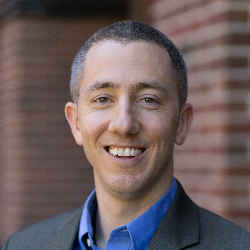 Benjamin J. Hackel, PhD, Professor, Chemical Engineering & Materials Science, University of Minnesota
Professor
University of Minnesota Twin CitiesBen Hackel is a Professor of Chemical Engineering and Materials Science at the University of Minnesota. He earned degrees in chemical engineering from the University of Wisconsin (B.S., advised by Eric Shusta) and MIT (PhD, advised by Dane Wittrup) and performed postdoctoral research in the radiology department at Stanford University (Sam Gambhir). Since its inception, the Hackel lab has applied protein engineering technologies to develop physiological molecular targeting agents for molecular diagnostics and targeted therapy, with a focus on oncology and infectious disease.
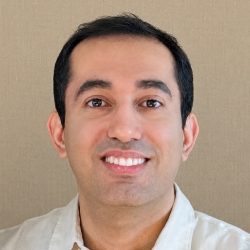 Mojtaba Haghighatlari, PhD, Senior Principal Machine Learning Scientist, Pfizer Inc.
Senior Principal ML Scientist
PfizerMojtaba is a senior principal machine learning (ML) scientist at Pfizer, conducting data-driven research in life sciences. Prior to Pfizer, he developed ML models and Python libraries at the University of California, Berkeley, and SUNY Buffalo with a focus on computational chemistry and protein engineering. His research interests include developing ML solutions to accelerate virtual screening of molecules, ab initio molecular dynamics simulation, and biotherapeutic discovery. Mojtaba received software fellowship from the Molecular Sciences Software Institute in 2018. His heart is always with open-source software solutions and FAIR data for molecular science research.
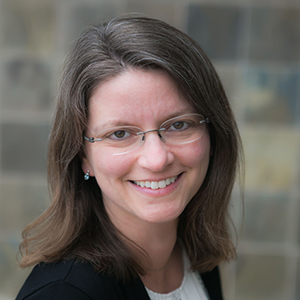 Agi Hamburger, PhD, Vice President, Discovery Research, A2 Biotherapeutics Inc
VP Discovery Research
A2 Biotherapeutics IncAgi Hamburger, Ph.D., is the Chief Operating Officer at A2 Bio, where she is responsible for bridging research with technical development and translating scientific innovation into therapeutic programs. Since joining A2 Bio, she has played a key role in the discovery and development of the Tmodâ„¢ platform, a pioneering logic-gated cell therapy approach targeting multiple antigens, which has advanced from concept to clinical testing. Prior to A2 Bio, Agi spent over a decade at Amgen in the Discovery Research organization, contributing to programs across multiple therapeutic areas.
 Rebonto Haque, Oxford Protein Informatics Group (OPIG), University of Cambridge
PhD Student
University of OxfordI am a 2nd year PhD student in the Oxford Protein Informatics Group (OPIG), supervised by Professor Charlotte Deane. I am currently researching cross-reactive antibody design and in-silico optimisation using machine learning.
I have previously published work in several machine learning workshops hosted by NeurIPS and ICLR with work encompassing the mechanistic interpretability of antibody language models. More recently I have worked on in silico developability optimisation of antibodies.
I graduated with a First Class degree in Biochemistry from the University of Oxford, and completed my master's thesis in OPIG as well.
 Daniel Hawiger, MD, PhD, Professor, Department of Molecular Microbiology & Immunology, Saint Louis University, School of Medicine
Professor
Saint Louis University, School of MedicineDaniel Hawiger, M.D., Ph.D. is a professor at Saint Louis University School of Medicine and a leader in innate and adaptive immunity research. Dr. Hawiger made major contributions to basic science and clinically oriented applications relevant to regulation of immune responses through mechanisms that bridge the functions of antigen-presenting dendritic cells and T cells leading to induction of regulatory T cells, stem-like T cells, and effector T cells. Published studies from Dr. Hawiger’s laboratory have revealed how specific immunomodulatory pathways, cell-signaling regulators and transcription factors govern dendritic cell-mediated T cell immune responses during immune homeostasis and disease states. Dr. Hawiger’s research includes developing cutting-edge technologies based on novel designs and utilization of recombinant antibodies and antibody-based biologics for precise initiation and modification of immune responses. Dr. Hawiger also developed novel analytical approaches to single cell sequencing analysis to facilitate a seamless integration of complex experimental and translationally relevant research outcomes.
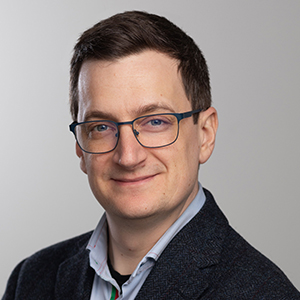 Winston Haynes, PhD, Vice President, Computational Sciences and Engineering, LabGenius Therapeutics
VP
LabGenius TherapeuticsWinston is the VP Computational Sciences and Engineering at LabGenius, where he leads a team of experts in data science, machine learning, and software development to expand LabGenius’ ML-driven discovery platform capabilities. He has extensive experience leading the development and application of computational tools to advance both antibody therapeutics (BigHat Biosciences) and diagnostics (Serimmune). Winston holds a PhD in Biomedical Informatics from Stanford University, where he was a NSF GRFP fellow.
 Ryan Henrici, MD, PhD, Vice President, Discovery Medicine, BigHat Biosciences
Vice President
BigHat BiosciencesRyan is a physician-scientist with expertise in infectious diseases and hematology and Director of Translational Research at BigHat Biosciences. He is also an Associate Scholar of Global Health and Lecturer at the University of Pennsylvania School of Medicine. He originally trained in structural biology and X-ray crystallography at Penn State University and subsequently earned his PhD in Infectious and Tropical Diseases from the London School of Hygiene & Tropical Medicine and MD from the University of Pennsylvania. At BigHat, Ryan leads target identification, antibody discovery, and lead optimisation using a variety of techniques supported by machine learning methodologies. His research group is developing BigHat’s therapeutic pipeline from concept through development.
 Ronald Herbst, PhD, CSO, R&D, Biolojic Design Ltd.
CSO
Biolojic Design LtdDr. Herbst is Chief Scientific Officer (CSO) at Biolojic Design, a biotech company that uses its unique AI platform to engineer epitope-specific and multi-specific antibodies with new functionality. Prior to joining Biolojic, Dr. Herbst was CSO at Pyxis Oncology where he led the company through its successful evolution from its initial focus on immunotherapies to expansion into next-generation ADCs. Prior to Pyxis, Dr. Herbst was Vice President and Head of Oncology Research at MedImmune, and was a member of the MedImmune Research Leadership Team. Before joining MedImmune, Dr. Herbst was Senior Principal Investigator in oncology at DNAX, a Schering Plough subsidiary. Dr. Herbst conducted his postdoctoral research at Stanford University. He obtained his PhD at the Ludwig-Maximilian University of Munich, with research conducted at the Max-Planck Institute of Biochemistry.
 Timothy Hickling, PhD, Consultant, Quasor Ltd; CSO, Open Immune
Independent Immunogenicity Expert
QuasorTim has 15 years’ experience contributing to immunogenicity risk and mitigation strategies for large molecules and advanced therapies at Roche and Pfizer, from early discovery projects to those in clinical development and post-marketing. During the last ten years he has contributed immunology expertise to the development of an in silico immunogenicity model, with the purpose of improving predictions of clinical immunogenicity for drug candidates. Tim previously worked on vaccine development and holds a PhD in Immunology from the University of Oxford.
 Robert J. Hofmeister, PhD, CSO, CREATE Medicines
CSO
Create MedicinesDr. Robert Hofmeister is Chief Scientific Officer at CREATE Medicines, where he leads the development of multi-immune cell in vivo mRNA CAR products for the treatment of cancer and autoimmunity. He has over 25 years experience in immuno-oncology, gene therapy, and drug discovery. Previously, he served as CSO at Resonance Medicine and TCR² Therapeutics, and held R&D roles at EMD Serono and Micromet, contributing to the development of Bavencio and Blincyto.
 Hongming Hu, Head, ImmuXell
Head
Pharmaessentia ShanghaiHong-Ming Hu is a cancer immunologist and biotechnology entrepreneur with more than three decades of experience in tumor immunology, cancer vaccines, and adoptive T-cell therapy. Dr. Hu’s work bridges fundamental immunology and translational development, with a focus on harnessing tumor antigen–specific immune responses to treat solid tumors.
Dr. Hu is the head and general manager of Pharmaessentia Shanghai, a wholly owned subsidiary of Pharmaessentia. He founded Shanghai ImmuXell and served as Chief Scientific Officer, and he also founded UbiVac in Portland, Oregon, where he served as Chief Scientific Officer. Previously, Dr. Hu served as Chief Scientific Officer at Shanghai Hrain Biotech and led the Cancer Immunobiology Laboratory at the Earle A. Chiles Research Institute, Providence Cancer Institute, from 2003 to 2020.
Dr. Hu’s research encompasses antigen cross-presentation, autophagy-based cancer vaccines, T-cell activation and persistence, and mechanisms of tumor-associated immunosuppression. Contributions include studies supporting the development of the DRibbles tumor-derived autophagosome vaccine platform and its translation into clinical trials. More recent work focuses on KRAS mutation–specific T-cell therapies, including the expansion of KRAS-reactive T cells from pancreatic tumors and IND-enabling studies of a TCR-T therapy targeting KRAS G12V.
Dr. Hu received a PhD in tumor immunology from Oregon Health & Science University, a master’s degree in molecular biology from the Shanghai Institute of Biochemistry, Chinese Academy of Sciences, and a bachelor’s degree in biochemistry from Fudan University.
Dr. Hu has served as a principal investigator on NIH- and American Cancer Society–funded research, participated in multiple cancer immunotherapy clinical trials, and contributed to scientific peer review for funding agencies and journals. Dr. Hu’s publications include work in Nature Nanotechnology, Immunity, Clinical Cancer Research, Cancer Research, and the Journal for ImmunoTherapy of Cancer.
 Kexin Huang, PhD, Co-Founder & CEO, Phylo Inc.
Co Founder & CEO
Phylo Inc
 Jack Huck, PhD, Senior Scientist, Protein Sciences, PharmaEssentia Corp.
Senior Scientist
PharmaEssentia CorpI’m a Senior Scientist in Protein Sciences at PharmaEssentia Innovation Research Center (PIRC) in Bedford, MA. Before joining PIRC, I earned my PhD in Structural Biology from the University at Buffalo and completed a postdoctoral fellowship in the Department of Immunobiology at Yale University. My current work focuses on multispecific antibody and cytokine engineering to develop next-generation therapeutics for immuno-oncology.
 Bushra Husain, PhD, Senior Director, Biologics Engineering, AstraZeneca
Senior Director of Assays Profiling and Pharmacology
AstraZenecaI am a PhD biochemist with over 12 years of experience in pharmaceutical companies and academia. My research has focused on functional characterization of novel format antibodies, engineered proteins, as well as AAVs for the delivery of novel cargos. Over the years I have worked on the design and functional assessment of antibodies with diverse mechanisms of action, such as immune cell engagers, ADCs, stromal targeting multi-specific antibodies, targeted radioligand therapies, cytokine grafts, and others. I have served as a project champion for multiple large molecule programs, managing milestones from target ideation to lead selection and development. In addition to my experience in protein engineering and assay development, I have contributed to the development of sophisticated cell-surface receptor characterization techniques that were used to identify and validate novel large molecule targets, and that have also resulted in a number of high impact publications.
 Jeffrey R. Infante, M.D., Global Head, Early Oncology R&D, Johnson & Johnson
Global Head
Johnson & JohnsonDr. Infante is the Global Head of Oncology Early Development, Translational Research, and Scientific Partnering at Johnson & Johnson Innovative Medicine. Since joining Johnson & Johnson in 2017, he has led a team of physicians and scientists that design and conduct early phase cancer trials, spanning solid tumor and hematologic malignancies and ranging from first-in-human through proof-of-relevance. This team delivers on a robust portfolio with 20-30 assets either in the clinic or being prepared for the clinic and includes bringing on average 5-6 new first-in-human studies per year. The early development team is also responsible for combination dose finding trials and all oncology clinical pharmacology studies in healthy volunteers and cancer patients.
Dr. Infante also leads the scientific strategy guiding the translational research team that supports all cancer therapeutics moving toward first patient dosing through late-stage clinical development. Additionally, Dr. Infante leads an elite group of scientists focused on the search and evaluation of the external innovation environment to identify the next generation of anti-cancer therapies. Dr. Infante is a core member of the Oncology Review Board and the First-In-Human Committee. He leads with a mission-driven and Credo-guided culture, relentlessly focused on bringing Johnson & Johnson Innovative Medicine closer to its goal of the elimination of cancer.
Prior to joining Johnson & Johnson, Dr. Infante spent over a decade at the Sarah Cannon Research Institute as a clinical investigator and board-certified medical oncologist. During his tenure, he served many roles, including Director, Drug Development Program where he provided physician leadership to the Drug Development Units in Nashville, Florida, Oklahoma, Denver, and London. He has expertise with multiple novel treatment platforms and has helped design and conduct many clinical studies ranging from first-in-human dosing through phase 3 registration trials.
Dr. Infante received his undergraduate and medical degrees from the University of Florida in 1994 and 1999, respectively, and finished his internal medicine residency at Parkland Memorial Hospital, University of Texas Southwestern Medical Center. He completed his fellowship in medical oncology at Johns Hopkins University School of Medicine in 2006. Concurrent with his fellowship, he undertook formal training in patient-oriented research and received a Master of Health Science degree in epidemiology at Johns Hopkins University’s Bloomberg School of Public Health.
 Farren Isaacs, PhD, Professor, Department of Molecular & Cellular & Developmental Biology, Yale University
Professor
Yale UniversityDr. Farren Isaacs is Professor of Molecular, Cellular and Developmental Biology, Biomedical Engineering, and Systems Biology at Yale University. His research lies at the interface of biology, engineering, chemistry, and computation with a particular focus on the development of genome and cellular engineering technologies. His lab uses these technologies to construct organisms with alternative genetic codes and for global reprogramming of cellular behavior to uncover new biological phenomena. This research expands the functions of living systems with broad applications in biotechnology, materials science, environmental health, and medicine. He has been named a “rising young star of science†by Genome Technology Magazine, a Beckman Young Investigator by the Arnold and Mabel Beckman Foundation, and recipient of a Young Professor award from DuPont. Innovations from his lab have led to the formation of new biotechnology ventures including enEvolv (acquired by Zymergen, now Ginkgo), 64x Bio, Peter Bio, and Pearl Bio. He received his B.S.E. in in Bioengineering from the University of Pennsylvania, Ph.D. in Biomedical Engineering-Bioinformatics at Boston University, and conducted postdoctoral training in Genetics at Harvard Medical School.
 Mani Jain, Principal Data Scientist, Amgen Inc.
Sr Data Scientist
Amgen IncMani Jain is a Principal Data Scientist at Amgen, where she develops and deploys machine learning models to accelerate biologics discovery and optimization. Her work spans protein language models, developability prediction, and data-driven strategies for molecule selection, with a focus on improving properties such as viscosity, aggregation, and pharmacokinetics. She has led cross-industry collaborations on federated learning for protein models and holds a Master of Science in Bioinformatics from the Georgia Institute of Technology.
 Christopher M. Jewell, PhD, Institute Professor, Translational Engineering, Robert E. Fischell Institute for Biomedical Devices, University of Maryland
Institute Professor
University of Maryland
 Kaiyi Jiang, PhD, Assistant Professor, Bioengineering, Princeton University
Assistant Professor
Princeton UnivKaiyi is currently a faculty member with the Omenn-Darling Bioengineering Institute at Princeton University. ?Kaiyi completed his Ph.D. in Biological Engineering at MIT, where he developed technologies in RNA-guided systems, protein engineering, and synthetic biology under the guidance of Drs. Omar Abudayyeh, and Jonathan Gootenberg. After his PhD, Kaiyi joined Amgen as the Inaugural Amgen Science Fellow under the mentorship of Dr. Howard Chang, where he leads a group in using deep learning and synthetic biology approaches to design novel therapeutic modalities. Previously, He did his undergraduate studies at Rice University, where he worked with Dr. Caleb Bashor on post-translational protein circuits for mammalian cell programming. Kaiyi's research has been recognized by awards including Young American Scientist, MIT Technology Review Innovator Under 35 (TR35) list, 30 under 30, and the Wishnok Prize.
 Alex Kötter, PhD, Principal Scientist, Biologics AI & Design, Scientist
Principal Scientist
SanofiAlex Kötter studied chemistry and mathematics at the University of Münster. After completing his PhD in computational chemistry in 2021, he joined Sanofi as a postdoctoral researcher, working on ML-based modelling of small-molecule properties. He then moved to Biologics AI & Design within the Sanofi Digital Biologics Platform, where he is a Principal Scientist. His work focuses on data-driven and physics-based modeling of therapeutic protein properties.
 Lateefat Kalejaye, PhD Candidate, Stevens Institute of Technology
Graduate Student
Stevens Institute of TechnologyLateefat Kalejaye is a fifth-year Ph.D. candidate in Chemical Engineering at Stevens Institute of Technology, advised by Professor Pin-Kuang Lai. Her research focuses on developing computational and experimental approaches for early-stage antibody developability assessment to accelerate therapeutic development. She led the development of **DeepSP**, a deep learning surrogate model that predicts mAb spatial features without computationally expensive molecular dynamics simulations, and **DeepViscosity**, an ensemble deep learning model developed in collaboration with **AstraZeneca** to screen high-concentration mAb viscosity during early-stage development. She also developed a **high-throughput small-angle X-ray scattering (SAXS) protocol** in collaboration with **Brookhaven National Laboratory** and AstraZeneca to characterize high-concentration mAb solution behavior with minimal sample requirements. Her current research focuses on extending these computational and experimental approaches to diverse formulation conditions and multispecific antibodies.
 Igor A. Kaltashov, PhD, Professor, Chemistry, University of Massachusetts, Amherst
Professor
Univ of Massachusetts AmherstIgor A. Kaltashov received his undergraduate degree in physics at Moscow Institute of Physics and Technology in 1989, where he carried out his thesis work under the guidance of Prof. G.V. Karachevtsev on gas phase ion-molecular processes in sulfur hexafluoride/air mixtures. He received his Ph.D. degree from the University of Maryland Baltimore County in 1996, where he worked on applications of mass spectrometry to problems in biochemistry under the guidance of Prof. Catherine Fenselau. Following two years as a post-doctoral fellow at Johns Hopkins Medical School (with Prof. Robert J. Cotter), he became a Director of the newly created Mass Spectrometry Center at the University of Massachusetts-Amherst in 1997. He was appointed an Assistant Professor in Chemistry at UMass-Amherst in 2000 and promoted to Associate Professor with tenure in 2006, and to Full Professor in 2011. His teaching portfolio at UMass includes both undergraduate (Quantitative Chemical Analysis and Instrumental Analysis) and graduate courses (Biological Mass Spectrometry, Applied Analytical Chemistry and Spectroanalytical Chemistry).
Prof. Kaltashov’s research program is focused on developing mass spectrometry-based experimental techniques to study structure, conformation, dynamics and interactions of biopolymers. His group actively collaborates with several biopharmaceutical companies, including Biogen, Pfizer, and Shire. Prof. Kaltashov co-authored over a hundred papers and book chapters and guest-edited a number of special issues for a variety of journals, most recently “Mass spectrometry-based methods to study macromolecular higher order structure and interactions†(Methods, Elsevier). He co-authored (with his long-time collaborator, Dr. Stephen J. Eyles) a monograph “Mass spectrometry in biophysics: Conformation and dynamics of Biomolecules,†whose second edition was published in 2012, and is currently working (together with two of his former PhD students, Prof. Guanbo Wang of Nanjing Normal University and Dr. Shunhai Wang of Regeneron Pharmaceuticals) on another monograph, “Mass spectrometry in the analysis of biopharmaceuticals: current state-of-the-art and emerging trends.â€
 Hetu Kamichetty, PhD, CTO, Xaira Therapeutics
CTO
Xaira TherapeuticsScaling the firm since its inception in 2023. He has nearly two decades of experience in AI and ML. Prior to Xaira, he spent a decade at Meta, where he played a leading role in several AI-related initiatives, including early efforts in Generative AI. Before that, Hetu was a postdoctoral fellow in Dr. David Baker's laboratory at the University of Washington, where he pioneered the use of self-supervised generative models of protein families in protein folding and design. Kamichetty holds a Ph.D. in Machine Learning from Carnegie Mellon University, where his thesis focused on Probabilistic Models of Proteins, and a B.Tech in Computer Science from IIT Madras. At Xaira, Hetu and his team are focused on developing state-of-the-art AI models for drug discovery to address unmet clinical needs.
 Brian K Kay, PhD, CSO, Peptide Discovery, Tango Biosciences
Chief Scientific Officer & Co-Founder
Tango BiosciencesBrian K. Kay earned his AB and PhD degrees in cell biology at the University of Chicago and Yale University, respectively. He then completed postdoctoral training at the National Institutes of Health. He has held academic appointments at the University of North Carolina at Chapel Hill, the University of Wisconsin-Madison, Argonne National Laboratory, and the University of Illinois Chicago, where he served as Professor and Head of the Department of Biological Sciences. He currently serves as Chief Scientific Officer and Co-founder of Tango Biosciences, a Chicago based Contract Research Organization.
 Amy E. Keating, PhD, Professor, Biology & Biological Engineering, Massachusetts Institute of Technology
Prof
Massachusetts Institute of TechnologyAmy E. Keating is the Jay A. Stein Professor of Biology and Biological Engineering at MIT, Head of the Department of Biology, and a member of the Koch Institute for Integrative Cancer Research. She is a former President of The Protein Society. Dr. Keating joined the MIT faculty in 2002. As an undergraduate, she studied physics at Harvard before obtaining her Ph.D. in organic chemistry from UCLA in 1998. Her research uses computational and experimental methods to understand how proteins recognize one another and applies that knowledge to design molecules with desired interaction properties. She is particularly interested in the interaction specificity of evolutionarily conserved domains.
 Ryan Kelly, PhD, Senior Principal Scientist & Group Leader, Genentech
Sr Scientist
Genentech IncRyan Kelly serves as a Senior Principal Scientist and Group Leader within the Antibody Engineering department at Genentech. He earned his PhD from MIT under the mentorship of Professor K. Dane Wittrup, focusing on the molecular determinants of antibody specificity and the engineering of advanced in vitro display libraries. Following early industry contributions at xCella Biosciences (now OmniAb), Ryan joined the Antibody Engineering group at Genentech. There, he leads a team focused on delivering impactful medicines across multiple therapeutic areas, while also innovating in vitro based discovery and driving development of novel AI/ML workflows to enhance antibody design.
 Saad Kenderian, PhD, Assistant Professor, Medicine and Oncology, Mayo Clinic College of Medicine; Co-Leader, Cancer Immunology Immunotherapy, Mayo Clinic Cancer Center
Asst Prof of Medicine & Oncology & Sr Consultant
Mayo ClinicDr. Kenderian is a consultant in hematology at the Mayo Clinic Rochester, with joint appointments in the Department of Immunology and Department of Molecular Medicine. He holds the academic rank of Assistant Professor of Medicine, Oncology, and Immunology in Mayo Clinic College of Medicine. As a physician-scientist, he directs a federally funded translational laboratory program focused on T cell biology, cellular engineering, and chimeric antigen receptor T (CART) cell therapy. In this context, he collaborates with multiple pharmaceutical and biotech companies. Since 2019, three clinical trials have been translated from his laboratory, two of them are multi-center trials. He has authored more than 90 manuscripts and book chapters. He is an inventor on multiple patent applications and is the Principal Investigator on 5 active clinical trials.
 Robert T. Kennedy, PhD, Hobart H. Willard Distinguished Professor & Chair, Chemistry & Pharmacology, University of Michigan
Hobart H Willard Distinguished Prof & Chair
Univ of MichiganRobert Kennedy is the Willard Distinguished University Professor of Chemistry at the University of Michigan. He earned his BS degree at University of Florida and PhD at University of North Carolina. Following a postdoc in electrochemistry with Mark Wightmant at UNC, he joined the faculty at University of Florida before moving to his current position. His research has combined his interest in biology with chemical analysis, separations and microfluidics. A theme of his group has been development of new chemical analysis tools that can be used for pharmaceutical analysis, engineering enzymes, monitoring neurotransmitters in the brain, and studying the secretion of insulin. Key technical areas include ultra-high pressure LC, droplet microfluidics, and mass spectrometry. His work has been recognized by several awards including the ACS Award in Analytical Chemistry and the Ralph Adams Award in Bioanalytical Chemistry. He has held several service posts including Department Chair and is presently Associate Editor of Analytical Chemistry and ACS Measurement Science Au.
 Rashmi Keshara, PhD, Scientist, Pharma Research and Early Development, Roche
Scientist
Roche Diagnostics GmbHRashmi Keshara, PhD, Automation Scientist, Immune and Cell Biology, Roche pRED
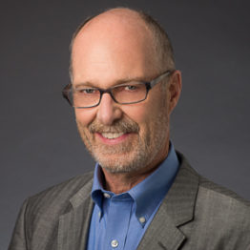 Bruce Keyt, PhD, CSO, MultiValent Biotherapies, Inc.
CSO
MultiValent Biotherapies, Inc.Bruce received his Ph.D. in biochemistry and pharmacology from Tufts University School of Medicine and his B.S. in Chemistry from Washington University in St Louis. He is a co-inventor on more than 35 U.S. patents and patent applications, and he has a co-authored more than 55 scientific articles. Bruce brings to IGM more than thirty-five years of research, development and management experience in large and small biotechnology companies, including his extensive experience in many phases of early stage drug discovery and development. This experience spans target selection and discovery, in vitro biochemistry, in vivo efficacy models and all other aspects of the pre-clinical development of antibodies and proteins as therapeutic agents.
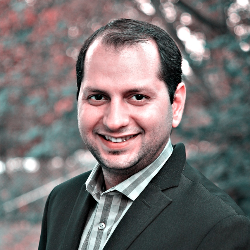 Mithun Khattar, PhD, Director, Immuno-Oncology Research, Amgen
Director
Amgen
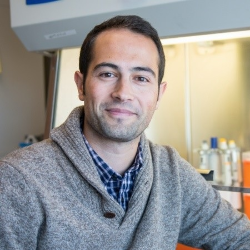 Michael Klichinsky, PharmD, PhD, CSO, Nava Therapeutics
CSO
Nava TherapeuticsMichael Klichinsky, PharmD, PhD, is a biotech executive and founder with expertise in ex vivo and in vivo cell therapies. He is Chief Scientific Officer of Nava Therapeutics, where he leads the development of in vivo CAR-T and targeted LNP therapeutics. Previously, Mike served as co-founder and CSO of Carisma Therapeutics, where he pioneered ex vivo and in vivo CAR-M therapy for cancer. Mike holds a PhD from the University of Pennsylvania's Center for Cellular Immunotherapies and a PharmD from the Philadelphia College of Pharmacy.
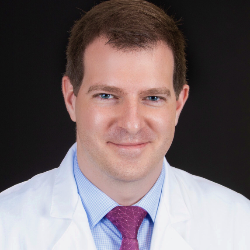 Maximilian F. Konig, MD, Assistant Professor, Medicine, Cellular Therapy Program, Johns Hopkins University School of Medicine
Director, Cellular Therapy Program (Autoimmunity)
The Johns Hopkins University School of MedicineMaximilian F. Konig, MD is an Assistant Professor of Medicine in the Division of Rheumatology at the Johns Hopkins University School of Medicine and serves as Director of the Cellular Therapy Program (Autoimmunity). He leads a translational research program focused on developing antigen-specific and precision cellular and T-cell–engaging approaches for the treatment of autoimmune diseases. He is also the scientific co-founder of Winnow Therapeutics. Dr. Konig earned his M.D. from Charité - Universitätsmedizin Berlin and Humboldt-Universität zu Berlin. He completed his residency training in the Stanbury Physician-Scientist Pathway at Massachusetts General Hospital, affiliated with Harvard Medical School. Following this, he completed his subspecialty training in Clinical and Molecular Rheumatology and Advanced Rheumatology at Johns Hopkins Hospital.
 George Kopsidas, PhD, Founder and Chief Scientific Officer, Imunexus Therapeutics
Exec Dir & CSO & Founder
ImunexusDr George Kopsidas has more than 25 years’ experience in protein engineering. He has developed a number of potential antibody products and platform technologies, and holds a number of patents, including joint patent applications with GSK, Teva and Vegenics (now Opthea). He is the original developer of the imunexin™ platform and founder of Imunexus Therapeutics Ltd, a company focusing on developing multispecific drugs. Previously, he was a foundation scientist and Director at the biotechnology company Evogenix, and later Vice President at Arana Therapeutics and at Cephalon Australia.
Before moving into industry, he held a Research Fellowship at the National Institutes of Health (USA) and Senior Lecturer positions at La Trobe University and RMIT University. He spent more than 10 years elucidating mechanisms of DNA repair and mutagenesis, and 5 years researching molecular ageing and mitochondrial disease, serving on the editorial board of the Journal of Biogerontology.
 Alan J. Korman, PhD, CSO, Bluesphere Bio
CSO
Bluesphere BioDr. Alan Korman is a world-leading pioneer in developing cancer immunotherapies and is currently SVP, Immune Targeting at Vir Biotechnology. As Vice President for Immuno-Oncology Discovery at Bristol-Myers Squibb (BMS), he led the development of biologics for tumor immunotherapy. Prior to BMS, Dr. Korman held various positions at Medarex. His tenure at BMS and Medarex led to the development of three approved drugs for oncology, ipilimumab (anti-CTLA-4) and nivolumab (anti-PD-1), and their combination, which initiated the approach of checkpoint blockade, as well as relatlimab (anti-LAG-3) in combination with nivolumab. Dr. Korman received his PhD in Cellular and Developmental Biology from Harvard University and was a Whitehead Fellow at the Whitehead Institute at the Massachusetts Institute of Technology. He was also a staff scientist at the Institut Pasteur prior to moving to the biotechnology sector.
 Anthony A. Kossiakoff, PhD, Otho SA Sprague Professor, Biochemistry & Molecular Biology, University of Chicago
Otho SA Sprague Prof
Univ of ChicagoAnthony A. Kossiakoff is the Otho S.A. Sprague Distinguished Service Professor of Biochemistry and Molecular Biology at the University of Chicago. He pioneered the use of neutron crystallography to study protein dynamics at Brookhaven National Laboratory before joining Genentech in 1983 as Director of Protein Engineering. There, his group determined the first structure of a hormone–receptor complex—human growth hormone bound to its receptor—revealing the fundamental role of dimerization in receptor activation. During this time, the department also developed many techniques now widely used in protein engineering. Kossiakoff joined the University of Chicago in 1993, where he served as Director of the Institute for Biophysical Dynamics. His research focuses on antibody engineering, including the development of antibody chaperones for structural determination and novel approaches to cancer immunotherapy. He is an elected member of the National Academy of Sciences and the American Academy of Sciences and Letters, and a Fellow of the American Association for the Advancement of Science. He received the Protein Society’s Christian Anfinsen Award for his contributions to protein science.
 Smita Krishnaswamy, PhD, Professor, Genetics & Computer Science, Yale University
Professor
Yale UnivSmita Krishnaswamy is a Professor of Computer Science and Genetics at Yale University. She is also affiliated with the Program for Applied Mathematics, WTI Institute for NeuroComputation and Machine Intelligence, Yale Cancer Center, and Yale Institute for the Foundations of Data Science. Smita is also an affiliate member of the MILA Quebec AI Institute. Smita's lab works on fundamental AI, deep learning and mathematical machine learning methods for accelerating discovery from biomedical and neuroscientific data. Her work features many methods for generative modeling, graph-based learning, geometric deep learning, and agentic AI for science. She has applied her techniques to discovery from cellular, molecular, and imaging data from neuroscience, psychology, stem cell biology, cancer, and immunology. Smita obtained her Ph.D. from the University of Michigan in Computer Science. Smita's work has won several awards including the NSF CAREER Award, Sloan Faculty Fellowship, and Blavatnik Fund for Innovation. Smita teaches deep learning, unsupervised learning, geometry topology in ML and other courses at the intersection of CS and applied math. She also teaches special courses in computational genomics at CGSI (UCLA), CSHL, as well as being a mentor for the Yale SUMRY math REU program.
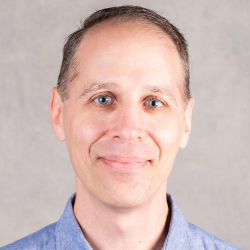 Joshua A. Kritzer, PhD, Professor, Department of Chemistry, Tufts University
Prof
Tufts UnivJoshua Kritzer is a Professor of Chemistry at Tufts University in Medford, MA, with appointments in the Molecular Microbiology Program and the Cell, Molecular and Developmental Biology Program at Tufts University’s School of Graduate Biomedical Sciences in Boston, MA. The Kritzer lab combines approaches from chemistry, biology, and biotechnology to solve foundational problems in drug discovery. Current projects include discovering novel modulators of autophagy for cancer therapy and targeted protein degradation, measuring cytosolic penetration of peptide and oligonucleotide therapeutics, and evolving new protein biosensors. Prof. Kritzer has won numerous teaching and mentoring awards, and his academic awards include the Smith Family Award for Excellence in Biomedical Research, an NIH New Innovator Award, and a Sanofi iAward for cross-disciplinary solutions to pressing problems in chemical biology and drug development.
 Andrew C. Kruse, PhD, Professor of Biological Chemistry and Molecular Pharmacology, Harvard Medical School
Professor
Harvard Medical SchoolDr. Kruse is a professor at Harvard Medical School, where he leads a group focused on the structure and function of integral membrane receptors. Key research accomplishments include defining the structural basis for agonist action at the angiotensin II type 1 receptor and other G protein-coupled receptors (GPCRs), cloning the sigma-2 receptor, and determining the first structure of a tetraspanin protein and showing how it regulates B cell activation. The Kruse lab developed a single-domain antibody fragment discovery platform that has now been distributed to more than 400 academic labs and has been licensed to several pharmaceutical companies. Dr. Kruse is a co-founder of Tectonic Therapeutic, a biotechnology company, and the Institute for Protein Innovation, a non-profit research organization. He has received awards including an Amgen Young Investigator Award (2019), an Alfred P. Sloan Research Fellowship (2017), a Vallee Scholars Award (2016), and an NIH Director’s Early Independence Award (2015). He received B.S. degrees in Mathematics and Biochemistry from the University of Minnesota in 2009 and completed a Ph.D. in Structural Biology at Stanford University in 2014, where he trained with Dr. Brian Kobilka.
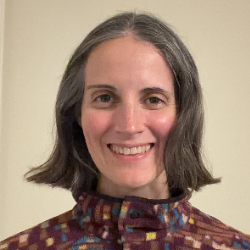 Nikki Kruse, PhD, Director, Protein Engineering & Computational Biology, Tenfold Therapeutics
Dir
Tenfold TherapeuticsNikki Kruse is the Director of Protein Engineering & Computational Biology at Tenfold Therapeutics, where she guides the integration of experimental and computational approaches to engineer novel biologics. Previously, she spent more than ten years at Codexis as a structural bioinformatician supporting protein engineering and design within the Computational Biology Department. Nikki holds a B.S. in Chemistry from Carnegie Mellon University and a PhD in Chemistry & Biochemistry from the University of California, San Diego.
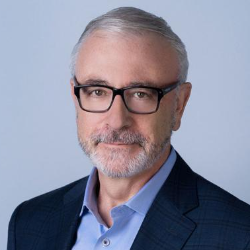 Frank Kuhnert, PhD, Director, Immuno-Oncology, Regeneron Pharmaceuticals Inc.
Director
Regeneron Pharmaceuticals Inc
Kanupriya Kusumakar, PhD, Sr Principal Scientist, BiVictriX Therapeutics Ltd
Sr Principal Scientist
BiVictriX Therapeutics Ltd
 Pin-Kuang Lai, PhD, Assistant Professor, Chemical Engineering and Materials Science, Stevens Institute of Technology
Dr
Stevens Institute of TechnologyDr. Pin-Kuang Lai is an Assistant Professor in the Department of Chemical Engineering and Materials Science at Stevens Institute of Technology. He received his B.S. and M.S. degrees in Chemical Engineering from National Taiwan University in 2011 and 2013, respectively, and completed his Ph.D. in Chemical Engineering at the University of Minnesota in 2018. His doctoral research focused on developing computational and experimental approaches to study antimicrobial peptides. From 2018 to 2021, Dr. Lai conducted postdoctoral research at MIT, where he investigated antibody stability at high concentrations.
Dr. Lai has collaborated with leading pharmaceutical companies, including AstraZeneca, Merck, Sanofi, and Takeda, as well as national laboratories such as NIST and Brookhaven. His work focuses on advancing computational tools, including machine learning and molecular simulations, alongside biophysical characterization methods such as NMR and SAXS, to predict and analyze antibody aggregation and viscosity at high concentrations. He also explores the underlying mechanisms driving these phenomena. In addition to his academic and research endeavors, Dr. Lai serves as an Assistant Editor for the mAbs journal.
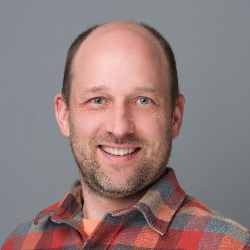 Ryan P. Larson, PhD, Vice President & Head, Translational Sciences, Umoja Biopharma
SVP & Head
Umoja BiopharmaRyan Larson, PhD, is Senior Vice President and Head of Research at Umoja Biopharma, where he leads research advancing the company's VivoVec in vivo CAR T cell platform. Before joining Umoja in 2021, he led the Cell Therapy Product and Analytical Development team at Bristol-Myers Squibb, contributing to the commercialization of two FDA-approved CAR T cell therapies. Earlier in his career, he was a member of the Translational Research team at Juno Therapeutics and held a role at Thermo Fisher Scientific developing analytical technologies for immuno-oncology and cell therapy. Dr. Larson holds a PhD in Immunology from the University of Washington and is a named inventor on multiple cell-therapy patents.
 Greg Lazar, PhD, Chief Scientific Officer, Dualitas Therapeutics
Chief Scientific Officer
Dualitas TherapeuticsDr. Lazar is Co-Founder and Chief Scientific Officer at Dualitas Therapeutics. Prior to Dualitas he led research groups at Genentech, Eli Lilly, and Xencor. Together with colleagues, Dr. Lazar has developed multiple technologies for optimizing antibodies and therapeutic proteins, and contributed to numerous clinical stage molecules including several approved drugs. He is an inventor of over 30 patents and has authored over 40 scientific publications in the fields of protein design, biotherapeutic engineering, and drug discovery. Dr. Lazar holds a BS in Molecular & Cell Biology with Chemistry Honors from Penn State and a PhD in Molecular & Cell Biology from UC Berkeley, and was a Jane Coffin Childs Fellow at the University of Cambridge.
 James W. Legg, PhD, CSO, Cytospire Therapeutics Ltd.
CSO
Cytospire Therapeutics LtdDr. James Legg Ph.D is the Chief Scientific Officer at Cytospire Therapeutics. James has over 25 years experience in biologics drug discovery in the Biotech and Pharma industry. James was previously SVP Research and Early Development at Mestag Therapeutics and Crescendo Biologics. Prior to this, James started his career at Cambridge Antibody Technology before roles in AstraZeneca and MedImmune. James holds a first class degree in Applied Biology from Bath University, a Ph.D in Molecular Cell Biology from Imperial College, London and undertook PostDoctoral research at Imperial Cancer Research Fund (Now CRUK) in London.
 Alexander Leithner, PhD, Assistant Professor, Center for Tumor Biology and Immunology, University of Salzburg
Assistant Professor
University of Salzburg, Center for Tumor Biology and ImmunologyAlexander Leithner is an Assistant Professor in the Center for Tumor Biology and Immunology at the University of Salzburg. He trained in cell biology and immunology at IST Austria and subsequently worked in Michael Dustin’s laboratory at the University of Oxford. His research focuses on the biophysical regulation of the immunological synapse and how the physical properties of receptor-ligand interactions shape T-cell activation and cytotoxicity. He has worked on T-cell engagers and bispecific antibody systems, using quantitative imaging and reconstituted membrane platforms to dissect how antigen geometry, ligand mobility and synapse organisation influence signalling and tumour-cell killing. His group now investigates how these principles can be exploited to better understand and engineer tumour-immune interactions.
 Sarah Leonard, PhD, CEO, T-Cypher Bio
CEO
T-Cypher BioSarah is an experienced immunotherapy scientist with a strong track record of advancing novel T cell therapies and platforms from concept to the clinic. Prior to helping establish T-Cypher Bio, she was a Scientist in Residence at Oxford Science Enterprises, creating new life science ventures. Previously, she led teams at Immunocore developing donor-unrestricted T cell engager therapeutics and contributed to the advancement of TCR-based bispecific therapies into clinical trials. Earlier in her career, she held a Translational Research fellowship with Ovacome and worked with Janssen Pharmaceuticals, delivering a drug combination into clinical trials for paediatric acute myeloid leukaemia.
 Daniel Leventhal, PhD, Principal Consultant, Tactyl
Principal Consultant
TactylDaniel Leventhal, Ph.D. has over 6 years of experience working at the intersection of immunology and machine learning to predict and mitigate unwanted immunogenicity. Daniel has led teams at Xaira Therapeutics and Generate Biomedicines developing machine learning models and experimental systems to understand and control key immunological processes underpinning the immunogenicity of biotherapeutics. Prior to entering the immunogenicity field, he worked in immune oncology, advancing T-cell receptor therapies and immune-engineered bacteria for cancer treatment. Daniel holds a Ph.D. in Cancer Biology and an M.S. in Translational Sciences from the University of Chicago, where he studied tumor-associated regulatory T-cell development and antigen specificity.
 Joseph W. Lewcock, PhD, CSO & Head, Discovery, Denali Therapeutics Inc.
CSO & Head
Denali Therapeutics Inc
 Bowen Li, PhD, Assistant Professor, Pharmaceutical Sciences, University of Toronto
Assistant Professor
University of TorontoDr. Bowen Li is a tenure-stream Assistant Professor in the Leslie Dan Faculty of Pharmacy at the University of Toronto and is a nominee for Canada Research Chair in RNA Vaccines and Therapeutics. He earned his PhD in Bioengineering from the University of Washington, Seattle, and completed a Postdoc Fellowship in the Professors Daniel Anderson and Bob Langer labs at MIT. He has published nearly 40 peer-reviewed papers on Nat. Biotech., Nat. Med., Nat. Comm., Sci. Adv., Adv. Mater., Angew. Chem. Int. Ed., ACS Nano, Nano Lett. etc., which have been cited over 1900 times with H-index 25. Since starting his independent lab in 2022, he has received the Gairdner Early Career Investigator Award, the J. P. Bickell Foundation Medical Research Award, the Connaught New Researcher Award, and the UofT New Initiative and Innovation Award.
 Bian Li, PhD, Principal Scientist, Therapeutic Proteins, Regeneron
Principal Scientist
RegeneronBian Li is a Senior Scientist at Regeneron Pharmaceuticals, Inc., responsible for developing machine learning algorithms for predicting antibody developability. Before joining Regeneron, Bian was a Data Scientist at Roivant Sciences and was responsible for building computational pipelines and mining structural databases and proteomics datasets. Prior to joining Roivant, Bian was an American Heart Association Postdoctoral Fellow at Vanderbilt University and was working on the problem of genetic variant effect prediction. Bian obtained his PhD in Computational Structural Biology from Vanderbilt and has broad interests in applications of machine learning in structural biology and genomics.
Mingyue Li, PhD, Principal Scientist, Pfizer Inc.
Principal Scientist
Pfizer Inc
Zhaoyang Megan Li, PhD, Head, Clinical Pharmacology & Early Clinical Dev, Takeda Pharmaceutical Co Ltd
Head
Takeda Pharmaceutical Co Ltd
 Sara Linciano, PhD, Umberto Veronesi Postdoctoral Fellow, European Center for Living Technology, Italy
Post-Doc Researcher
Ca' Foscari UniversityDr. Sara Linciano is an Umberto Veronesi Postdoctoral Fellow in the laboratory of Prof. A. Angelini at the European Center for Living Technology (Italy). She earned a joint PhD in Science and Technology of Bio and Nanomaterials from Ca' Foscari University of Venice and the Kyoto Institute of Technology in 2023. She served as a visiting researcher in the laboratory of Prof. C. Heinis at École Polytechnique Fédérale de Lausanne (EPFL). Her research focuses on developing yeast display libraries to identify, engineer, and characterize macrocyclic peptide ligands. She is also a co-founder of Arzanya S.r.l. (www.arzanya.com).
 Jinsha Liu, PhD, Principal Scientist, Tentarix Biotherapeutics
Pricipal Scientist
Tentarix BiotherapeuticsJinsha Liu pursued graduate training in neuroscience at Sanford Burnham Prebys Medical Discovery Institute, where she studied the roles of T-cadherin and adiponectin in synaptic plasticity and associative memory formation. In 2018, she joined Eli Lilly and Company as a postdoctoral scientist and later became a research advisor. At Lilly, she established the NNJA platform for discovering cell-penetrating peptides to enable intracellular delivery of therapeutic cargos. In 2024, Jinsha joined Tentarix Biotherapeutics, where she focuses on antibody discovery and engineering of targeted, multifunctional conditional effectors for precision medicine.
 Ken Lo, PhD, Research Fellow, Therapeutic Discovery, AbbVie Inc.
Research Fellow
AbbVie Inc
 James D. Love, PhD, Vice President, Life Sciences, Lila AI
Vice President
Lila AI
 Robert J. Lutz, PhD, CDO, Synthis Therapeutics
CDO
Synthis TherapeuticsBob has been an independent consultant in the biotech/pharma industry since 2015 and has worked with multiple clients providing strategic, tactical and operational input for their research and development efforts. Prior to initiating his consulting practice, Bob held various R&D roles over a 23 year span at ImmunoGen, Inc. In his most recent position at ImmunoGen, Bob was Vice President of Translational Research and Development with responsibility for all early stage antibody drug conjugate (ADC) development programs from lead identification through phase 2. He also served as ImmunoGen’s research lead on Genentech’s FDA-approved trastuzumab emtansine (T-DM1) program. Before the ADC research position, Bob was part of ImmunoGen’s Apoptosis Technology Inc subsidiary where he led the research collaboration leading to the discovery of the BH3 domain of the BCl-2 family of death regulatory proteins. Before ImmunoGen, Bob was a research and postdoctoral fellow at the Eleanor Roosevelt Institute in Colorado. He earned his doctoral degree in Biochemistry at Brandeis University.
 Robert Mabry, PhD, CSO, Averna Therapeutics
CSO
Averna TherapeuticsBiotech executive with more than 20 years of experience across pharma, biotech, and venture- backed startups. He is currently Chief Scientific Officer of Averna Therapeutics. He was previously CEO of Hillstar Bio and CSO of Orna Therapeutics. Before that, he was Global Head of Biologics at Takeda and held leadership roles at Cogen Therapeutics and Jounce Therapeutics. Earlier, he worked at Adimab and ZymoGenetics in protein sciences leadership roles. Robert holds a Ph.D. in Biochemistry from the University of Texas at Austin and a B.A. in Biology/Biochemistry from Baylor University.
 Bernard Maillere, PhD, Research Director, Immunology, CEA
Dir Research & Head
CEA/ University of Paris SaclayB. Maillere. He is currently head of the laboratory of cellular immunology and biotechnology at Commissariat à l'Energie Atomique (CEA) a French Governmental research Institute and head of the pole of immunology of the doctoral school “therapeutic innovation†of the University of Paris-Saclay. His current research focuses on the prediction of immunogenicity and the identification of T cell epitopes in humans with the perspectives of developing safe therapeutic proteins . He was co-leader of the workpackage immunogenicity prediction of the European project ABIRISK.
 Mansi Malhotra, PhD, Advisor, Product Development, Elanco Animal Health
Advisor
Elanco Animal HealthMansi Malhotra, Ph.D., is an analytical scientist with over five years of industry experience in analytical development and protein characterization for biologics, mRNA and lipid nanoparticles. Her expertise centers on mechanistic evaluation of protein stability, aggregation, and structural heterogeneity using integrated analytical and biophysical techniques. She has led the development and implementation of strategic analytical workflows to support pipeline progression, comparability assessments, and regulatory readiness for therapeutic proteins. Dr. Malhotra earned her Ph.D. in Biophysical Chemistry from University of Connecticut, where her research focused on biophysical characterization of protein, enzymology, and protein-binding with 2D nanoparticles. Her work bridges deep molecular understanding with practical analytical strategy to enable robust biologic development.
 Robert T. Manguso, PhD, Principal Investigator, TIDE Project, Broad Institute
Principal Investigator
Broad InstituteRobert Manguso is a principal investigator in the Massachusetts General Hospital Center for Cancer Research, an associate member at the Broad Institute, and a faculty member at Harvard Medical School. The major focus of Manguso’s lab is to discover new ways to improve cancer immunotherapy. The Manguso lab uses a range of approaches including mouse models, functional genomics, cellular immunology, and single-cell profiling to understand how cancers evade the immune system. Manguso pioneered the use of in vivo genetic screens with CRISPR to identify new immunotherapy targets and resistance mechanisms. These approaches led to the identification of the tyrosine phosphatase PTPN2 as a critical regulator of immunotherapy sensitivity in tumor cells, and the dsRNA-editing enzyme ADAR1 as a checkpoint that regulates the sensing of self-dsRNA by tumor cells. These discoveries indicate that there may be many ways that cancers can be targeted by the immune system, and the Manguso lab is developing the tools to identify these mechanisms. These approaches will enable a new understanding of how the immune system interacts with cancerous tissue and how the interaction can be manipulated to destroy tumors. At the Broad, Manguso co-directs the Tumor Immunotherapy Discovery Engine (TIDE) project within the Cancer Program. The TIDE project uses in vivo functional genomics to identify new therapeutic targets for combination with existing immunotherapies and to determine the mechanisms by which tumors evade immunotherapy.
 Tapan Maniar, Chief Medical Officer, Oblenio Bio
Chief Medical Officer
Oblenio BioPhysician-executive and biotech Chief Medical Officer with 16+ years spanning early discovery and company building through global regulatory approval and commercial launch. Experience partnering with CEOs, executive teams, boards, investors, and biopharma partners on clinical strategy, portfolio prioritization, financing, strategic transactions, alliance governance, and regulatory execution. Track record includes $175M+ across multiple Series B financings, $950M+ in major biopharma partnerships, first-in-class regulatory milestones, and development across cell therapy, T-cell engagers, cytokines, and antibodies in oncology, neurology and immunology. Currently Chief Medical Officer of Oblenio Bio, a best-in-class dual-targeted T cell engager for autoimmune disease.
 Lorenzo Maso, PhD, Director Protein Engineering & Co-Founder, Aethon Therapeutics
Director
Aethon TherapeuticsLorenzo Maso is an inventor of the proprietary HapImmune platform exclusively licensed to Aethon Therapeutics. His expertise is the de novo discovery and engineering of antibodies, for which he combines protein engineering and structural biology techniques, such as phage and yeast display, and cryo-EM.
Lorenzo received his B.S. in Biotechnology, M.S. in Industrial Biotechnology and Ph.D. in Biosciences (Biochemistry and Biotechnology) at the University of Padova (Italy), where he also spent his first years as postdoc. During that time Lorenzo worked on different topics developing his structural biology skills and beginning his journey in protein engineering which he continued at New York University in Shohei Koide’s lab, where he participated in the development of the HapImmune platform.
Lorenzo currently leads the antibody discovery and engineering efforts at Aethon Therapeutics as Director of Protein Engineering.
 Tina Matin, PhD, Senior Scientist, Protein Engineering, Sanofi
Senior Scientist
SanofiTina Matin is a Senior Scientist II in Protein Engineering at Sanofi, where she leads high-throughput biosensor programs supporting antibody discovery and developability assessment. She completed her postdoctoral training at Weill Cornell Medicine, studying the dynamics of membrane transporter proteins using advanced single-molecule biophysics techniques. With over 10 years of experience in single-molecule biophysics instrumentation, Tina brings deep technical expertise to building data-driven, high-throughput screening approaches that enable earlier identification of risk in candidate molecules, helping teams reduce late-stage attrition. She validated and launched a novel Active Concentration platform on the Carterra LSA XT from the ground up, supporting faster, more informed decision-making earlier in the development pipeline. Tina is passionate about advancing analytical tools that bridge biophysical rigor with practical throughput needs across discovery and development teams.
 Chad May, PhD, CSO, Orum Therapeutics
CSO
Orum TherapeuticsChad is the CSO of Serotiny, a leader in therapeutic multi-domain protein engineering and development of next-generation of cell and gene therapies. Most recently, he was the Senior Vice President of Research and Development at Maverick Therapeutics (acquired by Takeda in April 2021), where he progressed novel solid tumor targeting conditionally-active T cell engagers into first-in-human clinical trials. Prior to that, Chad served as Senior Director of Targeted Immunotherapy for Pfizer, where he oversaw the execution of multiple immuno-oncology programs. He also spent several years at ImClone Systems (acquired by Eli Lilly in 2008) leading several early-stage oncology programs. Chad holds a B.S. in Genetics and Cell Biology from the University of Minnesota and an PhD in Immunology from the Weill Cornell Graduate School of Medical Sciences, in a joint program with the Sloan Kettering Institute.
 Ryan Mehl, PhD, Professor, Director, GCE4All, Biochemistry & Biophysics, Oregon State University
Professor
Oregon State UniversityRyan A. Mehl, PhD, is a Professor of Biochemistry and Biophysics at Oregon State University, Director of the NIH-funded GCE4All Center, and Director of the Biotechnology Translation Institute. His research focuses on advancing genetic code expansion technologies to introduce new chemical functionality into proteins for applications in biotechnology and therapeutic development. His laboratory pioneered the genetic encoding of tetrazines for rapid, site-specific bioorthogonal conjugation and has extended this technology to protein labeling, protein–protein assembly, and the development of therapeutic conjugates. Through GCE4All and the Biotechnology Translation Institute, he leads academic and industry collaborations focused on translating genetic code expansion technologies into broadly accessible tools for protein engineering and biopharmaceutical development.
Pieter Meysman, Associate Professor, PhD, Head of Computational Immunology Research Group, Department of Microbiology, Immunology and Transplantation, KU Leuven
Associate Professor, Head of Computational Immunology Research Group
KU Leuven
 Jennifer Michaelson, PhD, CSO, Cullinan Therapeutics Inc.
CSO
Cullinan Therapeutics IncJennifer Michaelson, currently CSO at Cullinan Therapeutics, is a biotech executive with 20+ years of industry experience in oncology, immunology, and immune-oncology drug development. Prior to joining Cullinan, Jennifer participated in the launch of Jounce Therapeutics, where she built and led multiple teams and departments and went on to serve as the Executive Program Leader for the lead program, JTX-2011. Jennifer’s prior roles in industry include a 10-year tenure at Biogen, where she served as project leader for several monoclonal antibody and bispecific antibody programs in both the oncology and immunology therapeutic areas. Jennifer has also served as a consultant at Third Rock Ventures for multiple stealth stage immune-oncology companies. Jennifer earned her B.A. in Biology from Princeton University and Ph.D. from the Department of Cell Biology at Albert Einstein College of Medicine, and she completed a post-doctoral fellowship in Philip Leder’s laboratory in the Department of Genetics at Harvard Medical School.
 Caitlyn Miller, PhD, CEO & Co-Founder, TwoStep Therapeutics
Co-Founder & CEO
TwoStep TherapeuticsCaitlyn Miller, PhD, co-founder and CEO of TwoStep Therapeutics, is dedicated to the company’s mission of bringing innovative targeted therapies to patients. Dr. Miller received her PhD in Bioengineering from Stanford University in the labs of Dr. Carolyn Bertozzi and Dr. Jennifer Cochran. During her PhD and postdoctoral work, Dr. Miller played a pivotal role in advancing technology that is now integrated into TwoStep’s therapeutic pipeline. Dr. Miller then joined the Stanford Innovative Medicines Accelerator as an Entrepreneur-In-Residence, where she spearheaded the efforts to launch TwoStep Therapeutics.
 Debra Miller, Founder & CEO, CureDuchenne
Founder & CEO
CureDuchenneDebra Miller is Chief Executive Officer and Founder of CureDuchenne, a nonprofit organization dedicated to finding and funding a cure for Duchenne muscular dystrophy, a degenerative neuromuscular disease. She founded CureDuchenne in 2003 after her only son, Hawken, was diagnosed with Duchenne and very little was known about the disease. At the time, there were no available treatments and no hope for a cure.
Today, CureDuchenne is recognized as a global leader in research, patient care, and innovation for improving and extending the lives of those with Duchenne. CureDuchenne’s innovative venture philanthropy model has advanced transformative treatments for Duchenne muscular dystrophy, including 19 projects that advanced to human clinical trials and multiple projects to overcome the limitations of exon-skipping and gene therapy. In addition, CureDuchenne contributed early funding to the first FDA-approved Duchenne drug, pioneered the first and only Duchenne physical and occupational therapist certification program and created an innovative biobank and data registry, accelerating research toward a cure.
Prior to creating CureDuchenne, Debra worked in publishing with positions at IDG Communications, Cahners Publishing, Ziff-Davis Publishing, Scholastic Publishing, and more. Miller holds a Bachelor of Arts in Communication Studies from the University of California Los Angeles.
She currently serves on the Alliance for Regenerative Medicine Board, Department of Defense's Congressionally Directed Medical Research Committee Programmatic Panel, and the Bespoke Gene Therapy Consortium, to name a few. Debra has received numerous awards, including the EY Entrepreneur of the Year™ Award and Orange County Business Journal’s Women in Business Award.
 Allan Mills, PhD, Research Scientist, Antigen Production, Institute for Protein Innovation
Research Scientist
Institute for Protein InnovationAllan is currently a Research Scientist at the Institute for Protein Innovation where he works on methods for discovering antibodies against complex multipass membrane proteins. He earned a PhD from the University of British Columbia working on membrane proteins from bacteria. He then held a postdoctoral position in the Centre de Biochimie Structurale in Montpellier, France where he united membrane proteins with DNA-based nanotechnology, and a research scientist position at the Broad Institute of MIT and Harvard developing membrane protein-based selection methods for gene therapy delivery vehicles.
 Michael Mitchell, PhD, Hibbert Professor of Bioengineering, Senior Advisor to Dean for Strategic Initiatives, Center for Precision Engineering for Health, University of Pennsylvania
Hibbert Professor of Bioengineering
University of PennsylvaniaMichael J. Mitchell is the Skirkanich Assistant Professor of Innovation in the Department of Bioengineering at the University of Pennsylvania. He received a BE in Biomedical Engineering from Stevens Institute of Technology in 2009, a PhD in Biomedical Engineering with Prof. Michael King from Cornell University in 2014. He was a Postdoctoral Fellow in Chemical Engineering with Prof. Robert Langer at MIT from 2014-2017, prior to pursuing his independent career at University of Pennsylvania. The Mitchell lab’s research broadly lies at the interface of biomaterials science, drug delivery, and cellular and molecular bioengineering to fundamentally understand and therapeutically target biological barriers. Specifically, his lab engineers new lipid and polymeric nanoparticle platforms for the delivery of different nucleic acid modalities to target cells and tissues across the body. His lab applies their research findings and the technologies developed to a range of human health applications, including the engineering of CAR T cells for cancer immunotherapy, mRNA vaccines, genome editing, cardiovascular disease, and in utero therapeutics to treat disease before birth.
Mitchell has received numerous awards as an independent investigator, including the National Institutes of Health Director’s New Innovator Award, the Rising Star Award from the Biomedical Engineering Society, and the Career Award at the Scientific Interface from the Burroughs Wellcome Fund. In 2022 Mitchell was named “Emerging Inventor for the Year†by Penn’s for Innovation in recognition for his lipid nanoparticle technologies and received the Young Investigator Award from the Society for Biomaterials, the T. Nagai Award from the Controlled Release Society, and the National Science Foundation CAREER Award.
 Samir Mitragotri, PhD, Hiller Professor, Bioengineering; Hansjorg Wyss Professor of Biologically Inspired Engineering, Wyss Institute, Harvard University
Hiller Prof
Harvard Univ
Vishnu Priya Mohan, Scientist, Analytical Development, Takeda
Scientist
Takeda Pharmaceutical Co Ltd
 Peter E. Molloy, Senior Fellow, Science & Technology, Protein Engineering, Immunocore LLC
Senior Fellow
Immunocore LLCDr Peter Molloy is currently a Senior Fellow at Immunocore Ltd, where he has worked for the past twenty years. He has led the development and improvement of technologies for generating TCR-based immunotherapeutics. He has contributed significant advances to the field of TCR engineering and has several publications and patents in the field. His PhD is in TCR engineering from University of Aberdeen.
 Arash Moshkforoush, PhD, Scientist, Quantitative Pharmacology, Denali Therapeutics Inc.
Associate Director
Denali Therapeutics Inc
 Timo D. Mueller, PhD, Director, Helmholtz Zentrum Muenchen
Prof.
Helmholtz Zentrum MuenchenTimo Müller is the Director of the Institute of Diabetes and Obesity at Helmholtz Munich and a Professor of Energy and Glucose Metabolism at Ludwig Maximilian University of Munich, Germany. Müller studied Animal Physiology at Philipps University Marburg, Germany, and received his PhD in 2009 from the Department of Child and Adolescent Psychiatry and Psychotherapy at the University of Duisburg-Essen. Following his doctoral studies, he joined the Metabolic Disease Institute at the University of Cincinnati, USA, as a postdoctoral fellow. In 2011, he returned to Germany to lead the Molecular Pharmacology Group at the Institute of Diabetes and Obesity at Helmholtz Munich. Müller’s research focuses on the development and evaluation of novel unimolecular pharmacotherapies for the treatment of metabolic syndrome, particularly obesity and diabetes. He is part of an international team of scientists that pioneered the concept of GLP-1–based dual and triple agonists for treating obesity and diabetes. He has published more than 200 scientific papers, including articles in Cell, Nature, Cell Metabolism, Nature Medicine, and Nature Metabolism.
Joseph Muenzer, PhD, Distinguished Professor & Associate Director, Pediatrics & Genetics & Metabolism, University of North Carolina, Chapel Hill
Distinguished Prof & Assoc Dir
Univ of North Carolina Chapel Hill
 David P. Nannemann, PhD, Vice President, Rosetta Commons Foundation
Managing Member
Rosetta Design GroupDavid is an expert in protein engineering and computational design, with extensive experience applying AI-driven modeling tools in an industry setting. He serves as Vice President of the Rosetta Commons Foundation and Industry Chair on the Rosetta Commons board, helping bridge academic advancements with industry applications. As Managing Member of Rosetta Design Group, he collaborates with companies of all sizes to tackle complex challenges in biologics design. David's deep expertise in leveraging cutting-edge tools like Rosetta, AlphaFold, and diffusion-based models for protein design make him an invaluable guide for participants looking to apply AI-driven biologics design in real-world settings.
 Vivek Natarajan, AI Researcher, Google Deepmind Inc.
AI Researcher
Google Deepmind Inc
Nam Nguyen, PhD, Senior Principal Scientist, Therapeutic Proteins, Regeneron Pharmaceuticals Inc.
Sr. Principal Scientist
Regeneron Pharmaceuticals IncNam is a senior principal scientist and group leader of the Membrane Technologies Group at Regeneron Pharmaceuticals. His research background is in ion channel structure biology and was among the first to determine the structure of the mitochondrial calcium uniporter, providing insights into its mechanism of calcium transport and selectivity, and demonstrated the application of saposin towards nanodisc production. Since joining Regeneron in 2019, Nam has continued to apply his expertise in biochemistry and structural biology towards the production of a range of cell surface receptors – ion channels, transporters, tetraspanins, GPCRs, and protein complexes – to enable therapeutic antibody discovery and structural studies.Nam is a senior principal scientist and group leader of the Membrane Technologies Group at Regeneron Pharmaceuticals. His research background is in ion channel structure biology and was among the first to determine the structure of the mitochondrial calcium uniporter, providing insights into its mechanism of calcium transport and selectivity, and demonstrated the application of saposin towards nanodisc production. Since joining Regeneron in 2019, Nam has continued to apply his expertise in biochemistry and structural biology towards the production of a range of cell surface receptors – ion channels, transporters, tetraspanins, GPCRs, and protein complexes – to enable therapeutic antibody discovery and structural studies.
 Gerhard Niederfellner, PhD, Senior Vice President, Innovate Oncology, Evotec AG
SVP
Evotec AGDr. Gerhard Niederfellner joined Evotec end of 2020 taking on responsibility for the internal research programs on biologics for cancer therapy. Under his leadership Evotec has developed two unique proprietary antibody platforms: one for T cell co-stimulation and one for best-in-class NK cell engagement. For the last 2 years he has also led target identification and validation efforts for an important collaboration that Evotec has with a big pharma company in oncology. After having started his career in the pharma industry with small molecule drug development for treatment of insulin resistance at Eli Lilly in Hamburg, Gerhard joined Roche’s Innovation Center Munich working for 10 years in roles of increasing responsibility on antibody development for oncology. Thereafter he led as Senior Research Fellow the development of a proprietary Nanobody portfolio at the Belgian biotech Ablynx. Following the take-over of Ablynx by Sanofi, Gerhard founded his own in-silico biotech and also worked as freelance consultant before joining Evotec.
 Vincent Noireaux, PhD, Professor, Synthetic Biology and Biological Physics, University of Minnesota
Professor
University of Minnesota Twin CitiesVincent Noireaux is a Professor of Synthetic Biology and Biological Physics at the University of Minnesota in the Department of Physics. His lab develops E. coli cell-free transcription-translation (TXTL) systems. TXTL is used to produce proteins in vitro and to construct and characterize biochemical systems such as gene circuits, protein self-assemblies, and synthetic cells. Dr. Noireaux earned his PhD at the Curie Institute in Paris and did a postdoc at The Rockefeller University in New York City. http://www.noireauxlab.org/
 Olivier Nolan-Stevaux, PhD, Executive Director, Oncology Research, Gilead Sciences, Inc.,
Executive Director
Gilead Sciences, Inc.
 Olga Obrezanova, PhD, AI Principal Scientist, Biologics Engineering, Oncology R&D, AstraZeneca
AI Principal Scientist, Biologics Engineering
AstraZenecaDr. Olga Obrezanova is a Principal Scientist in the Augmented Biologics Design group at Biologics Engineering, AstraZeneca, based in Cambridge, UK. With 20 years of experience, Olga specializes in applying machine learning & artificial intelligence and developing computational tools for biologics and small molecules drug discovery. Her work is focused on preclinical immunogenicity assessment of biologics and advancing in silico approaches for predicting immunogenicity and developability.
 Yanay Ofran, PhD, Founder, CEO, Biolojic Design Ltd.
Founder & CEO
Biolojic Design LtdYanay Ofran is a computational biophysicist and a biotech entrepreneur. His scientific work uses computational approaches to understand, predict and engineer protein interactions.
Yanay is the founder and CEO of Biolojic Design. Biolojic AI-guided platform designs multi-functional antibodies that maintains the developability, half-life, stability and safety of human antibodies. Yanay is also the co-founder of Ukko, a biotech company that uses computational tools and patient samples to design a novel treatment for food allergies. He also a co-founded Aulos Biosciences, which became the first company to treat cancer patients with a computationally designed antibody. Prof. Ofran headed the lab of systems biology and functional genomics at Bar Ilan University near Tel Aviv.
 Kara Olson, Fellow Scientist, Bispecifics, Regeneron Pharmaceuticals Inc
Fellow Scientist
Regeneron Pharmaceuticals IncKara Olson is a Fellow Scientist at Regeneron Pharmaceuticals in New York, with over 30 years of research experience, including 18 years in bispecific antibody development. She has been integral to Regeneron’s Bispecifics group since its inception, contributing to the development of the company’s bispecific antibody platform and to the advancement of its clinical bispecific pipeline, including linvoseltamab and odronextamab. Her current work focuses on novel protein engineering and the preclinical evaluation of CD3-engaging and costimulatory bispecific and multispecific antibodies for the treatment of hematologic malignancies. Ms. Olson holds an M.Sc. in Biomedical Sciences, with a focus on Immunology, from Rockefeller University.
 Jane Osbourn, PhD, CEO, Alchemab Therapeutics Ltd.
CEO
Alchemab TherapeuticsJane is Chief Executive Officer Officer at Alchemab Therapeutics, which focuses on identifying self-protective antibodies as therapies for neurodegeneration and oncology. She was an early employee of Cambridge Antibody Technology, which became MedImmune, the biologics arm of AstraZeneca, where she contributed to the development of phage display technology, authored many key publications and patents, and contributed to the discovery and development of eight marketed drugs. She is passionate about the development of the biotechnology sector and served as Chair of the UK BioIndustry Association from 2015-2019. She is also the Chair of Mogrify, a Cambridge-based cell-therapy company, a Director of Cambridge Enterprise, and of Babraham Research Campus. In 2019 she was awarded an OBE for services to drug discovery, development and biotechnology, and the Scrip Lifetime Achievement Award for contribution to the pharma industry.
 Madan Paidhungat, PhD, Director, Protein Engineering, CytomX Therapeutics, Inc.
Dir Protein Engineering
CytomX Therapeutics IncMadan Paidhungat is Sr. Director and Head of Protein Engineering at CytomX Therapeutics, Inc., where he is engaged in developing activatable Probody therapeutics. He received his Ph.D. in Biochemistry and Cell & Molecular Biology at Duke University and his career has focused on developing and leveraging novel in-vitro-evolution based technologies for therapeutics R&D. Before CytomX, Madan was Director, Biology at Dice Molecules, LLC where he established a DNA-programmed combinatorial chemistry platform for small-molecule discovery. Prior to that he worked at Maxygen Inc., Perseid LLC, and Astellas Inc. applying DNA shuffling to the development of protein-, antibody-, and bi-specific therapeutics
 Malvina Papanastasiou, PhD, Senior Group Leader & Research Scientist, Proteomics Platform, Broad Institute
Senior Group Leader & Research Scientist
Broad InstituteMalvina Papanastasiou, PhD, is a Senior Group Leader and Research Scientist at the Broad Institute of MIT & Harvard, where she spearheads structural proteomics initiatives. With over 15 years of experience, Dr. Papanastasiou focuses on developing advanced Hydrogen Deuterium Exchange Mass Spectrometry (HDX-MS) technologies to elucidate protein function in health and disease. Her group pioneered a novel nanoflow HDX (nHDX) platform that achieves a 100-fold sensitivity improvement, enabling the high-resolution analysis of challenging transcription factors, membrane proteins, and MDa-scale macromolecular assemblies using only fmol sample quantities. Her expertise extends to high-throughput epitope/paratope mapping and characterizing protein-ligand interactions. She currently serves as Vice-Chair of the International Society of HDX-MS. Dr. Papanastasiou previously held research positions at the University of Pennsylvania and FORTH (Greece) after earning her PhD from Manchester Metropolitan University.
 Sofie Pattyn, Founder & CTO, IQVIA Laboratories
Founder & CTO
IQVIA LaboratoriesSofie Pattyn, CTO and founder of Iqvia Laboratories In Vitro Immunology (Formerly known as ImmunXperts), has over 25 years of experience in the field of immunogenicity assessment (vaccines and biotherapeutics) and in vitro assay development with a focus on functional assays for immunogenicity, immune oncology, and cell and gene therapy products. She has extensive hands-on lab experience and has managed and coached several in vitro teams over the last decade. From 2008 until 2013, she was Head of the in vitro Immunogenicity group at AlgoNomics (Ghent, Belgium) and Lonza Applied Protein Services (Cambridge, UK). Prior to that, she worked at Innogenetics in Belgium for over 15 years.
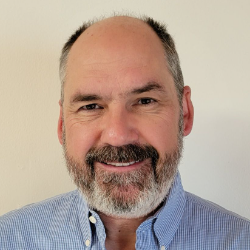 Peter Pavlik, PhD, Senior Director, Protein Engineering, Aptevo Therapeutics
Sr Dir Protein Engineering
Aptevo TherapeuticsPeter Pavlik, PhD, serves as the Senior Director of Protein Engineering at Aptevo Therapeutics. In his career at Aptevo and previously MedImmune/AstraZeneca and Los Alamos National Labs, he has implemented novel technologies to streamline discovery of binding domains and their incorporation into stable and efficacious biotherapeutics. Peter has an oversight over all processes currently used at Aptevo which are optimized to multiple areas of drug development from target validation to antibody discovery to IND and to clinic. Peter has a unique understanding of the biopharma industry from the large and small company perspectives.
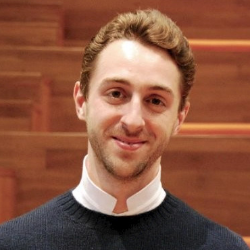 Ryan Peckner, PhD, Forward-Deployed Scientist, Chai Discovery
Forward-Deployed Scientist
Chai DiscoveryAs a Forward-Deployed Scientist at Chai Discovery, Ryan Peckner collaborates with Chai's partners in drug discovery to enable clinical applications of de novo biologics design. Previously, he was the head of machine learning at Seismic Therapeutic, where he led a team focused on applying ML to develop next-generation classes of non-immunogenic protein therapeutics. He earned his PhD in theoretical mathematics at Princeton University in 2015 and completed his postdoctoral training at the Broad Institute with an emphasis on the intersection of proteomics, genomics, and machine learning. Since entering biotech in early 2019, he has focused on developing and applying new machine learning techniques to structural biology, immunology, and drug development.
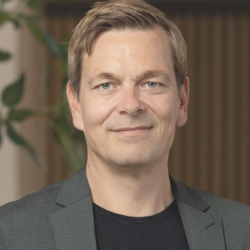 Mikkel W. Pedersen, PhD, CSO, Commit Biologics
CSO
Commit Biologics ApSMikkel is a biotech executive and entrepreneur with more than 20 years of experience in biologics drug discovery and development across oncology, immuno-oncology, autoimmune and infectious diseases.
Mikkel was previously CSO of Nykode Therapeutics, a clinical-stage company in Oslo that develops immunotherapies and vaccines for cancer and infectious diseases. Before that he spent 15 years at Symphogen, rising from scientist to Chief Scientific Officer. After Servier acquired Symphogen, he served as Head of Biologics Drug Design. He has contributed to the discovery and development of eight clinical-stage antibody programs and four clinical-stage vaccine programs, including several that reached late-stage clinical development. He has worked extensively with partners including Genentech, Regeneron, Shire and Baxalta. He co-founded Analona Therapeutics in 2024 and serves on its board. Analona builds on leading academic pancreatic cancer research to develop novel antibody-based therapeutics. He holds a PhD in Cancer Biology from the University of Copenhagen and has co-authored numerous publications.
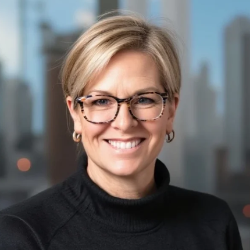 Leanne Peiser, DPhil, CSO, Typewriter Therapeutics
Chief Scientific Officer
Typewriter TherapeuticsLeanne Peiser leads scientific strategy at Typewriter Therapeutics. She brings more than 20 years of R&D leadership across biotech and pharma, with deep expertise in immunology, immunotherapy, and cellular therapy, including autologous, allogeneic, and in vivo CAR-T for oncology and autoimmune diseases. Most recently, as Executive Director of Translational Development, Cellular Therapy at Bristol Myers Squibb (BMS), she served as a senior scientific lead for their CAR-T portfolio across multiple indications. She led translational research for Breyanzi (lisocabtagene maraleucel), supporting its approved indications and global regulatory submissions, as well as the immune-reset proof-of-concept work that contributed to advancing zolacabtagene autoleucel into pivotal development for autoimmune diseases. Over her career she has advanced immune- and cell-based therapies from target identification through IND, BLA, and worldwide approval, and has helped shape emerging portfolios, prioritize established ones, and guide partnership decisions. She has built and led multidisciplinary scientific organizations across discovery, translational science, and early development. Besides BMS, she held discovery leadership roles at FLX Bio, Gilead, and Amgen, developing large- and small-molecule immunotherapies and multi-specifics for oncology, autoimmunity, and chronic viral diseases. She earned her D.Phil. in Immunology from the University of Oxford and her B.Sc. (Med) from the University of Cape Town.
 Mario Perro, PhD, Head of Biologics Research, Ichnos Glenmark Innovation
Head, Biologics Research
Ichnos Glenmark InnovationMario Perro has worked in the field of oncology and cancer immunology since 2006. First focusing on Adoptive T cell transfer for the treatment of Acute Myeloid Leukaemia (AML), in 2015 Mario redirected his studies in the development of bispecific checkpoints and T cell engagers at Roche. Among many drug molecules evaluated, Mario contributed to the characterisation of Glofitamab and the development of Artificial Intelligence approach to investigate Tumour Microenvironment modification induced by a CEA targeted TCE in combination of checkpoint inhibitors. At present, Mario is heading the Biologic Research at IGI, focusing on next-generation multi-specific antibodies such as ISB 2001, a BCMAxCD38xCD3 T cell engager.
 Justin Peruzzi, PhD, Head, Discovery, AI Proteins
Head of Discovery
AI ProteinsJustin Peruzzi is Head of Discovery at AI Proteins, a Boston-based biotech company re-imagining protein-based medicines through the design and development of miniproteins. At AI Proteins, Dr. Peruzzi is focused on developing technologies that enable high-throughput functional screening to drive miniprotein engineering. He leverages display technologies, biophysical binding measurements, and high-throughput functional assays to rapidly identify and optimize miniprotein candidates. Peruzzi earned his PhD in Chemical Engineering from Northwestern University, where he was a Ryan Fellow and an NSF Graduate Research Fellow.
 Andrew Peterson, PhD, Senior Vice President, Biology, Ollin Bio
Senior Vice President
Ollin Biosciences IncDr Peterson has been in Biotech drug discovery and development for over 20 years. He is presently head of biology at Ollin Bio, a clinical stage biotech company developing medicines for eye disease. Prior to joining Ollin, Dr Peterson was CEO and founder of Broadwing Bio, a biotech discovering drugs for glaucoms and for geographic atrophy, two of the leading causes of blindness in adults. He was CSO of MedGenome, the leading provider of molecular diagnostics in India and SE Asia. His entry into biotech was at Genentech where he led the Department of Molecular Biology. Dr Peterson held faculty positions at Duke University and at UCSF and carried out his PhD work at Harvard University.
 Elena Petricci, PhD, Associate Professor, Organic Chemistry, University of Siena
Associate Professor
University of SienaElena Petricci, PhD, is an Associate Professor of Organic Chemistry at the University of Siena, Italy. She received her PhD in Pharmaceutical Sciences from the University of Siena in 2004 and subsequently conducted research at the École Polytechnique Fédérale de Lausanne (EPFL), the University of Graz, and The Scripps Research Institute in San Diego.
Her research lies at the interface of organic synthesis, medicinal chemistry, and targeted drug delivery, with a particular focus on the design and development of innovative antibody–drug conjugates (ADCs). Her work explores unconventional payloads, including Hedgehog pathway modulators and histone deacetylase (HDAC) inhibitors, to expand the therapeutic potential of ADCs beyond conventional cytotoxic agents. Her group has contributed to the development of novel ADC platforms, pH-sensitive linkers, and analytical approaches for conjugate characterization, as well as the application of machine learning to predict drug-to-antibody ratios and guide bioconjugation processes.
Alongside her research in targeted therapeutics, Professor Petricci investigates small-molecule modulators of cancer-related signaling pathways and DNA damage repair mechanisms, aiming to identify new therapeutic strategies and overcome drug resistance. Her research also encompasses green chemistry, with a focus on sustainable synthetic methodologies and catalytic processes, including catalytic systems operating in water. This work reflects her broader commitment to integrating chemical innovation, environmental sustainability, and biomedical applications.
Her research in targeted drug delivery also extends to infectious diseases. She is a partner researcher in the FFC#3/2026 project funded by the Italian Cystic Fibrosis Research Foundation (Fondazione per la Ricerca sulla Fibrosi Cistica), which aims to develop an innovative antibody-based strategy to selectively deliver antibiotics to cells infected with Mycobacterium abscessus, a major challenge in cystic fibrosis.
She has secured competitive research funding, including grants from the Italian Association for Cancer Research (AIRC), and serves as the National Coordinator of the PRIN 2022 project Anti-ReTub, focused on antibody–drug conjugates for multidrug-resistant tuberculosis. Her research has resulted in numerous peer-reviewed publications and patents, and she collaborates with academic institutions and pharmaceutical companies to advance innovative therapeutic approaches.
 Isabelle Phan, DPhil, Senior Scientist, Bioinformatics Core, Seattle Childrens
Senior Scientist
Seattle ChildrensIsabelle Q. Phan, D.Phil. is a Senior Research Scientist at the Seattle Children's Research Institute. She earned a B.S. in Organic Chemistry from the Swiss Institute of Technology (ETHZ) and her PhD in Structural Biology from the University of Oxford, UK. After a brief spell at the European Bioinformatics Institute in Hinxton, Cambridge, UK, she transitioned to the UniProt database production team at the Swiss Institute of Bioinformatics in Geneva before joining the Seattle Structural Genomics Center for Infectious Disease (ssgcid.org) in 2008, where she currently leads the Bioinformatics Team.
 Pipat Piewngam, PhD, Senior Principal Scientist, Inflammation & Oncology, Summit Therapeutics Inc.
Sr Principal Scientist
Summit Therapeutics IncPipat Piewngam, Ph.D., is Senior Principal Scientist at Summit Therapeutics, where he leads biomarker and translational medicine strategy for early- and late-phase oncology programs in solid tumors. A biologist with over a decade of translational and clinical research experience, Dr. Piewngam specializes in identifying predictive biomarkers, designing patient stratification and enrichment approaches, and building biomarker-driven go/no-go criteria into clinical development plans, including indication selection and combination strategy. His work draws on high-dimensional dataset analysis and the continual evaluation of emerging biomarker technologies to ensure that pharmacodynamic, target-engagement, and proof-of-mechanism readouts inform decisions as programs advance, in close collaboration with clinical, regulatory, and commercial teams.
 Gregory Pirrone, PhD, Principal Scientist, Analytical Research & Development, Merck Research Labs
Principal Scientist
Merck & Co., Inc.Dr. Gregory F. Pirrone is a Principal Scientist in Analytical Research and Development at Merck Research Laboratories (MRL). He earned his Ph.D. from Northeastern University under the mentorship of Dr. John R. Engen. Dr. Pirrone has more than ten years of experience in the pharmaceutical industry and has authored over 20 peer-reviewed publications in chromatography and mass spectrometry. His expertise is centered on biologics characterization and cell-line development for early-stage biotherapeutic programs, supporting projects from discovery through development. He recently assumed the role of analytical project lead for a first-in-human therapy scheduled to enter the clinic in Q1 2027. He resides in Boston, Massachusetts, and works at the Longwood Medical Campus at MRL.
 Lauren Pitt, PhD, Head of Preclinical Development, Myrio Therapeutics
Head of Preclinical Development
Myrio TherapeuticsLauren Pitt is Head of Preclinical Development at Myrio Therapeutics, where she oversees the antibody discovery pipeline and leads a research team in the development of peptide-HLA-specific T cell engagers for cancer. Lauren has almost a decade of industry experience in early antibody-based therapeutic development, including 4 years at Immunome leading target validation and supporting lead development. Lauren received her Ph.D. from The University of Melbourne and conducted post-doctoral research at New York University School of Medicine.
 Simon Plyte, PhD, CSO, R&D, Biomunex Pharmaceuticals
Chief Scientific Officer
Biomunex PharmaceuticalsDr. Simon Plyte has over 20 years of experience in research and development in the Pharma industry, both in Big Pharma and small Biotech. He has worked on the discovery and development of NCEs and Biologics, predominantly in the field of Oncology but has also worked in cardiovascular, neurodegeneration, and metabolic disease drug discovery. For the last 12 years, he has focused on Biologics drug discovery, using mono- and multi-specific formats predominantly in the field of Immune Oncology.
 Oxana Polyakova, PhD, Senior Vice President, R&D, IN8bio Inc.
SVP
IN8bio IncOxana Polyakova, Ph.D., is Senior Vice President, Research and Development at IN8bio, where she leads development of the company’s ?d T cell engager (TCE) platform. She has more than 20 years of biopharmaceutical experience spanning biologics discovery and cell therapy for oncology, with particular expertise in ?d T cell biology, multispecific antibody engineering and immunogenicity. Before joining IN8bio, she was Chief Scientific Officer of LAVA Therapeutics, company developing Vd2 ?d T cell engagers, and Chief Scientific Officer of LIfT BioSciences, which develops stem cell-derived neutrophil immunomodulatory therapies. Earlier, she was a founding scientist and Head of Discovery at Adaptate Biotherapeutics, a GammaDelta Therapeutics spin-out developing ?d-targeting biologics. Dr Polyakova received her Ph.D. from Moscow State University.
 Daniel J. Powell Jr., PhD, Professor, Pathology & Laboratory Medicine, University of Pennsylvania
Professor
University of PennsylvaniaDr. Powell is a tumor immunologist with more than 20 years of experience in basic and translational tumor immunology. Dr. Powell was recruited from the National Cancer Institute to the University of Pennsylvania to develop a cutting-edge immunobiology and therapy program for gynecologic cancers, where he serves as Scientific Director of Immunotherapy for the Division of Gynecologic Oncology. His research program focuses on fundamental studies of the immunobiology of human cancer and the development of innovative immunotherapeutic strategies including cancer vaccination, immunomodulation, and adoptive immunotherapy using tumor-infiltrating lymphocytes (TILs) and T cells engineered to express tumor antigen-specific TCRs and chimeric antigen receptors (CARs). His seminal studies of T cell phenotype and function in patients responding to adoptive cell therapy, which demonstrated that T cell persistence and differentiation status are major contributing factors to successful adoptive therapy, is now a widely-accepted concept in the field. Studies from the Powell lab have also illustrated the validity of biomarkers for naturally-occurring tumor-specific T cells in human cancer; defined a role for the CD27 costimulatory molecule in human T cell memory formation; and resulted in the development of universal immune receptors for multivalent T cell therapy. He serves on various academic, foundation and industry scientific advisory boards, and provides expert opinion in cancer immunotherapy as a member for the NCI’s Cancer Immunopathology and Immunotherapy (CII) Study Section.
 Sudhakaran Prabakaran, Co-Founder & CEO, NonExomics
Co Founder & CEO
NonExomicsDr. Sudhakaran Prabakaran is a computational biologist and biotechnology entrepreneur pioneering the application of AI and multi-omics integration to unlock the "dark proteome" for therapeutic discovery. Currently, he is CEO and Co-Founder of NonExomics Inc. and Associate Teaching Professor at Northeastern University. He serves on scientific advisory boards and has mentored over 50 students, postdocs, and researchers across academia and industry. His landmark 2014 Nature Communications publication provided the first large-scale proteomic evidence of translation from "noncoding" RNAs, establishing the dark proteome as a therapeutic frontier. His 2022 Molecular Psychiatry work revealed novel proteins in human accelerated regions providing new leads for schizophrenia and bipolar disorder. His research has resulted in six patent applications across oncology, neuropsychiatry, and rare diseases, and has been featured in Science, Bloomberg, Inside Precision Medicine, and The Times. From 2016 to 2021, Dr. Prabakaran was Assistant Professor and Fellow at the University of Cambridge, where he led research on novel open reading frames and their disease relevance. He has authored a comprehensive book, Eclipsed Horizons: Unveiling the Dark Genome (World Scientific Publishing, 2025), and has received recognition including the Cambridge-Hamied Visiting Lectureship, Illumina Accelerator acceptance, and AWS Research Award. Dr. Prabakaran has expertise spanning proteogenomics, systems biology, machine learning, and translational therapeutics development. His areas of focus include dark proteome target discovery, AI-driven drug development, immunotherapy design, and precision medicine. Dr. Prabakaran received his Ph.D. in Systems Neuroscience from the University of Cambridge and completed postdoctoral training in Systems Biology at Harvard Medical School.
 Siddarth Prabhu, Process Development Scientist, Attribute Sciences, Amgen
Process Development Scientist
AmgenSidd Prabhu is a Process Development Scientist at Amgen who has experience in fields including particle analytics, cytokine profiling, automation, and computational assessments. He has a degree in Cell and Molecular Biology and Microbiology from California Polytechnic University San Luis Obispo, and a Masters in Bioprocess Bioinformatics from University of Maryland.
Hanine Rafidi, PhD, Principal Scientist, Translational PK/PD, Genentech Inc.
Principal Scientist
Genentech Inc
 G. Jonah Rainey, PhD, Associate Vice President, Eli Lilly and Company
Associate Vice President
Eli Lilly & Co.Jonah Rainey holds a PhD in Biochemistry from Tufts University and completed postdoctoral training at the University of Wisconsin and the Salk Institute. He has engaged in discovery, research, and development of bispecific antibodies for more than 15 years. He is an inventor on several patents describing novel bispecific platforms and current clinical candidates that exploit these platforms as well as an author on almost 30 publications. Jonah contributed to research and early development leading to multiple clinical candidates from Phase I and through approved products and led many advanced preclinical programs in oncology, infectious disease, autoimmunity, and other therapeutic areas. Previous industry experience includes MacroGenics, MedImmune/AZ, Oriole Biotech, Gritstone Oncology, and Alivamab Discovery Services. Currently, Jonah is a Senior Director in Protein Science at Eli Lilly & Co.
 Garrett Rappazzo, PhD, Scientist, Platform Technologies, Adimab
Senior Scientist
Adimab LLCAs a scientist at Adimab, my work focuses on identifying and engineering protein therapeutics that target peptide-HLA (pHLA) complexes. As part of this work, my team has developed a novel yeast-based platform to engineer soluble T cell receptors (TCRs) as an alternative to antibody-based therapeutics in targeting pHLA complexes. Prior to joining Adimab, I completed my doctoral research at MIT in Prof. Michael Birnbaum’s lab, where I worked to characterize the peptide-binding repertoires of Class II HLA proteins.
 Hadas Reuveni, PhD, Vice President, Research & Development Purple Biotech Ltd.
VP R&D
Purple Biotech Ltd
 Stefan Ries, PhD, CSO, CatalYm
CSO
CatalYmStefan Ries serves as CatalYm’s Chief Scientific Officer (CSO) and Head of the Munich Site. He brings the team over 20 years of experience in drug discovery and development with a focus on oncology. Before joining CatalYm, Stefan was CSO at Sibylla Biotech in Milan and CSO at DISCO Pharmaceuticals, where he was responsible for all R&D activities and strategy. Before his roles as CSO, he was a Venture Partner at Versant Ventures and served for 16 years at Hoffmann-La Roche in different positions with increasing responsibility, culminating in his position as Vice President, External Innovation, Oncology. Stefan has a PhD in Biochemistry from the University of Regensburg, Germany and completed his postdoctoral fellowship in the lab of Professor Frank McCormick at the NCI-designated Cancer Center of the University of California, San Francisco. He is a member of the American Association for Cancer Research.
 Jesse Rinehart, PhD, Professor, Cellular & Molecular Physiology, Systems Biology Institute, Yale University School of Medicine
Professor
Yale University School of MedicineDr. Jesse Rinehart is a Professor with tenure in the Department of Cellular & Molecular Physiology at the Yale University School of Medicine with a joint appointment in the Systems Biology Institute. Dr. Rinehart’s research aims to understand and “decode†the roles of protein phosphorylation in humans. His laboratory uses an innovative combination of quantitative phosphoproteomics and synthetic biology study protein phosphorylation in single proteins and protein networks. Recently, research in Dr. Rinehart’s laboratory has been accelerated by their Escherichia coli based technologies that enable site-specific incorporation of phosphoryation into human proteins. Dr. Rinehart received his PhD in Molecular Biophysics and Biochemistry from Yale in 2005. He studied protein synthesis and the evolution of the genetic code during his graduate work. His did his postdoctoral research with Richard Lifton in the Department of Genetics at Yale and focused on protein phosphorylation in physiological systems.
Craig Ritchie, PhD, CEO & Founder, Scottish Brain Sciences
Founder & CEO
Scottish Brain Sciences
 Gabriel J. Rocklin, PhD, Assistant Professor, Pharmacology, Northwestern University
Asst Prof
Northwestern UnivGabriel Rocklin did his Ph.D. research at the University of California, San Francisco, supervised by Brian Shoichet and Ken Dill. As a postdoctoral fellow with David Baker at the University of Washington, he pioneered the use of large-scale protein design to understand protein biophysics. In 2019 he started his independent lab in the Department of Pharmacology and Center for Synthetic Biology at Northwestern University. There, his group develops high-throughput methods to understand protein biophysics and to design new protein therapeutics.
 John Rossi, PhD, Senior Vice President, Stealth Co.; Former Vice President, Translational Medicine, Capstan Therapeutics
Vice President
Capstan TherapeuticsJohn Rossi is a translational medicine leader with more than 24 years of experience in the biopharmaceutical industry, specializing in clinical pharmacology, predictive biomarkers, and correlative science to advance oncology and immune-related drug development. He has built and led high-impact translational teams spanning early discovery through late-stage clinical development, with a particular focus on cell therapy. Most recently, John served as Vice President and Head of Translational Medicine at Capstan, where he designed and led translational strategy for a FIH study of a novel class of in vivo nanomedicines for the treatment of AID. Prior to Capstan, he was Vice President of Translational Medicine at CARGO Therapeutics, where he led a successful IND submission team, enabling a phase 2 clinical trial of CRG-022, a novel anti-CD22 autologous CAR T-cell therapy. Before joining CARGO, John was a Senior Director at Kite, a Gilead Company, leading clinical pharmacology and biomarker discovery teams that supported global approvals of Yescarta® and Tecartus®. John’s scientific contributions include the discovery of novel metrics to characterize CAR T cells based on functionality and fitness; biomarker insights that elucidated CAR T-cell mechanisms of action in humans; mechanistic understanding of CAR-related toxicities; new perspectives on the tumor immune microenvironment; and elucidation of the pivotal role of IL-15 in CAR T-cell function.
 Kira Rubtsova, PhD, Associate Vice President, Eli Lilly and Company
Dir
Eli Lilly & CoKira Rubtsova, PhD, is Associate Vice President of Immunology Discovery at Eli Lilly and Company in San Diego, where she leads the B cell group within Immunology Research, focused on B cell targeting therapies for autoimmune disease. She earned her PhD in immunology at the University of Colorado under Dr. John Kappler, studying TCR-MHC interactions. As a postdoctoral fellow with Dr. Pippa Marrack at National Jewish Health in Denver, she discovered Age-Associated B cells, a B cell subset implicated in autoimmunity.
 Valeria Runza, PhD, Head Biochemistry, Quality Control & Innovation, F. Hoffmann La Roche AG
Head Biochemistry
F Hoffmann La Roche AG
 Stephen J Russell, MD, PhD, Executive Chairman and Chief Scientific Officer, Vyriad
Executive Chairman and Chief Scientific Officer
VyriadDr. Russell is a world-renowned researcher in the field of gene and virus therapy. He combines more than three decades of leadership as a clinician and researcher with extensive experience in all aspects of drug discovery and development. A board-certified hematologist, Dr. Russell is a co-founder of Vyriad, the Richard O. Jacobson Professor of Molecular Medicine at Mayo Clinic and immediate past President of the American Society of Gene and Cell Therapy. Early in his career, Dr. Russell pioneered novel methods for engineering viral cancer immunotherapies. He was a founder of Cambridge Genetics, a biotechnology company, and the European Society of Gene Therapy. At the Mayo Clinic, Dr. Russell founded the Department of Molecular Medicine and built a comprehensive oncolytic virotherapy program. He has authored more than 400 peer-reviewed research papers and is a frequent speaker at scientific and medical conferences. Dr. Russell received his MD from the University of Edinburgh and a PhD from the University of London.
 Megan Salemi, Scientist, Large Molecule Research, Sanofi
Scientist
Sanofi GrpMegan Salemi is a Scientist in Large Molecule Research at Sanofi, where she has worked since 2019. She holds a degree in Biochemistry and is part of the Developability group, where her work focuses on characterizing antibodies and studying protein-protein interactions to support the development of robust, high-quality biotherapeutics. Her work contributes to Sanofi's mission of advancing innovative therapies by ensuring that candidate molecules are well-characterized and developable early in the pipeline. Megan is passionate about applying rigorous biophysical and biochemical analysis to translate promising molecules into viable drug candidates.
 Eloy Salinas, Senior Lab Automation Engineer, Institute for Protein Innovation
Sr Lab Automation Engineer
Institute for Protein InnovationAs a Senior Lab Automation Engineer at the Institute for Protein Innovation, and with a Bachelor of Science in Robotics Engineering from UC Santa Cruz, I have a strong background in designing, onboarding, and maintaining integrated systems. My experience spans developing methods for various lab automation platforms and prototyping custom robotic solutions.
I thrive on consulting the feasibility of automating assays and coding scripts to connect lab instruments to LIMS, enabling automatic data visualization. My previous roles involved designing real-time software and hardware control applications for field robots, integrating robots into customer applications, and significantly improving testing efficiency through automation.
With a foundation in equipment engineering, including PLC programming and hardware design, and software engineering focusing on GUI development and legacy system upgrades, I bring a comprehensive skill set to tackle complex automation challenges.
 Devleena Samanta, PhD, Assistant Professor, Department of Chemistry; Associate Member, Livestrong Cancer Institutes; Member, Dell Medical School, Texas Materials Institute, The University of Texas at Austin
Assistant Professor
The University of Texas at AustinDevleena Samanta is an Assistant Professor of Chemistry, an Associate Member of the Livestrong Cancer Institutes, and a member of the Texas Materials Institute at The University of Texas at Austin (UT Austin). Her research centers on developing nanoscale tools to sense and control biocatalysis, advancing fundamental chemistry while enabling new applications in chemical synthesis, biology, and medicine. She is the first UT Austin faculty member to receive the prestigious Packard Fellowship in chemistry, and her contributions have been recognized with numerous honors, including a Scialog Fellowship, the Outstanding Researcher Award from the International Institute for Nanotechnology (IIN), and selection as a Hanna Gray Fellow Finalist by the Howard Hughes Medical Institute. In addition to her research, Devleena is a dedicated teacher and mentor. She has received two teaching awards at UT Austin, as well as the Outstanding Mentor Award from the IIN. For her contributions to UT Austin, she was appointed the William H. Tonn Endowed Professorial Fellow for the 2024-2025 academic year. She also serves on the Early Career Advisory Board of the Beilstein Journal of Nanotechnology, a diamond open access journal.
Devleena earned her Ph.D. in Chemistry from Stanford University in 2017 under the mentorship of Professor Richard N. Zare. She was supported by a Winston Chen Stanford Graduate Fellowship and a Center for Molecular Analysis and Design Fellowship. She then trained with Professor Chad A. Mirkin at Northwestern University as an IIN Postdoctoral Fellow.
 Diana Sapashnik, Senior Scientist, Bioinformatics, BioMedicine Design, Pfizer Inc.
Sr Scientist Bioinformatics
Pfizer Inc
 Aaron K. Sato, PhD, Chief Strategy Officer, Adimab, LLC
Chief Strategy Office
AdimabAaron is the Chief Strategy Officer at Adimab, with over 25 years of experience in biotechnology, focusing on discovering and developing novel first-in-class antibody therapeutics. Before joining Adimab, Aaron served as the Chief Scientific Officer of Twist Bioscience, where he led their Biopharma Solutions business. Prior to Twist, he served as Chief Scientific Officer of LakePharma, leading the California Antibody Center. He is the author of over 40 peer-reviewed papers and 70 issued patents in the antibody space.
 Karsten Sauer, PhD, Adjunct Associate Professor, Immunology & Microbiology, Scripps Research Institute
Adjunct Assoc Prof
Scripps Research InstituteKarsten Sauer, Ph.D., is an R&D executive and Principal of Karsten Sauer Consulting, which advises companies on discovery and translational strategies, portfolio prioritization and scientific diligence in autoimmunity and immuno-oncology, focusing on T cell engagers (TCEs) and cell depletion. As VP of Preclinical R&D at Cullinan Therapeutics, he led early discovery across TCEs, antibodies, cytokine fusion proteins and protein degraders, and co-led preclinical support for the clinical CD19xCD3 TCE CLN-978 and the clinical BCMAxCD3 TCE velinotamig. Previously, he was VP of Immunology and VP of Corporate Development at Repertoire Immune Medicines, Director of Cancer Immunology at Pfizer, and a faculty member at Scripps Research. Karsten's over 55 publications include recent reviews on TCEs and B-lineage cell depletion approaches in autoimmunity and cancer. He is an inventor on TCE patent applications, serves as an Associate Editor at Frontiers in Immunology and holds a Ph.D. in biochemistry from the University of Tübingen.
 Zuben Sauna, PhD, Director, Division of Hemostasis, CBER, FDA
Director
FDA CBERZuben E. Sauna is a Principal Investigator and also the Director, Division of Hemostasis at the Center for Biologics Evaluation and Research of the US Food and Drug Administration. His research interests lie in understanding the pharmacogenetic basis of the immune response to proteins used in therapeutic interventions as these affect efficacy and safety. His laboratory exploits a combination of computational, in vitro and ex vivo approaches to understand why some individuals and/or sub-populations develop immune responses while others do not. Work from his laboratory has been published in high impact journals such as Nature Biotechnology, Nature Medicine, Science, Science Translational Medicine and Nature Reviews Genetics. He received his Ph.D. from Poona University, India with subsequent training at the National Cancer Institute, Bethesda, USA.
 Aude Segaliny, PhD, Vice President, Research & Development, Amberstone Biosciences
Vice President
Amberstone BiosciencesDr. Aude Segaliny is an accomplished scientist in cancer research and preclinical pharmacology. As a founding scientist of Amberstone Biosciences and its Tumor Microenvironment Activated Therapeutics (T-MATE) Platform, she has executed critical projects and delivered on key milestones throughout her career. Dr. Segaliny is a responsible leader who drives effective communication between internal teams and external collaborators, advisors, and partners.
Dr. Aude Segaliny has over 15 years of experience in immunology, cell biology, cytokine and receptor biology, microfluidic single-cell functional screening platform, and in vitro/in vivo characterization assays, with a focus on cancer therapeutics discovery. She received her PhD training with a heavy focus on cytokine biology in the context of bone cancer. Her PhD study brought new insights into IL-34 biology in the pathogenesis of osteosarcoma, where she generated an anti-IL-34 therapeutic antibody. During her postdoctoral tenure at UCI, Dr. Segaliny led multiple translational research projects including one where she delivered a stem cell-based candidate therapy for metastatic breast cancer. This significant research contributed to a successful technology licensing to and pre-IND filling by a commercial biotech partner based in California.
In her current role at Amberstone, Dr. Segaliny leads a team of immunologists, biomedical engineers, and in vivo biologists to identify and characterize Amberstone’s next-generation immunotherapeutic antibodies by leveraging cutting-edge technologies and external collaborations. She was instrumental to the establishment of the company’s proprietary T-MATE discovery platform (licensed out in 2023), which has been crucial to the company’s leading programs, including the ABS-101 development candidate currently in pre-IND.
 Charles L Sentman, PhD, Prof & Dir Center for Synthetic Immunity, Microbiology & Immunology, Dartmouth College
Prof & Dir Ctr for Synthetic Immunity
Dartmouth CollegeDr. Sentman is a Professor of Immunology at Dartmouth and directs the Center for Synthetic Immunity. His research team develops gene and cell therapies for cancer, neurodegenerative and inflammatory diseases, with lead programs targeting ALS and Alzheimer’s disease. Dr. Sentman holds over 40 US patents and has co-founded two therapeutics companies, including Black Bear Bio, to commercialize these research programs.
 Ayla Sessions, PhD, Associate Director, High-Throughput Production, AstraZeneca
Associate Director
AstraZenecaAyla Sessions is Associate Director of High Throughput Production in the Biologics Engineering department at AstraZeneca, where she leads the deployment and management of automated solutions to produce multi-milligram quantities of biologics. Her team is responsible for automating end-to-end biologics production at a range of fit-for-purpose scales, supporting the rapidly evolving multispecies space. With nearly a decade of experience in pharmaceutical companies and startups, Ayla draws on her PhD in Bioengineering to design and implement tailored automation strategies for biologics production and screening. Her teams have successfully delivered thousands of molecules across more than 30 pipeline programs, driving advances in hit screening, hit-to-lead conversion, and the development of automation solutions for AI and machine learning applications.
 Jagesh V. Shah, PhD, Senior Vice President, Head of Platform, Mirai Bio
Senior Vice President, Head of Platform
Stealth Startup (Flagship Pioneering)Jagesh V. Shah is the Senior Vice President of Platform at a Flagship Pioneering Startup developing LNPs for targeted in vivo gene therapies. He spent 15 years as a faculty member at Harvard Medical school melding together the disciplines of engineering, cell biology and systems biology towards new technologies and therapeutics for patients. Most recently, Jagesh was at Sana Biotechnology where he led the discovery and early development of the Fusogen platform, a revolutionary technology to engineer targeted in vivo viral vector-based delivery of therapeutic payloads.
 Hassan Shahfar, PhD, Senior Postdoctoral Researcher, Roberts Lab, University of Delaware
Senior Postdoctoral Researcher
University of DelawareI am a senior postdoctoral researcher in the Department of Chemical and Biomolecular Engineering at the University of Delaware, focusing on computational biophysics and protein engineering applications for pharmaceutical biotechnology. Having completed my Ph.D. in Physics here in 2022, my work inherently applies predictive modeling and physics-based simulations to address complex drug developability and formulation challenges. My research centers on developing hybrid coarse-grained molecular simulations to model protein-protein interactions, which helps provide insights into how therapeutic proteins, such as monoclonal antibodies, behave and self-associate in solution. By evaluating how strategic electrostatic charge mutations and varying solution conditions influence protein stability and viscosity, this work aims to provide useful predictive frameworks that can help streamline high-concentration manufacturing and optimize candidate selection early in the pipeline.
 Susan Sharfstein, PhD, Professor of Nanoscale Science and Engineering, University at Albany
Professor
University at AlbanySusan Sharfstein is a Professor of Nanoscale Science and Engineering at the University at Albany in Albany, New York. Professor Sharfstein received her B.S. in chemical engineering with honors from Caltech in 1987 and her Ph.D. in chemical engineering from UC Berkeley in 1993. Her interests include mammalian and microbial cell bioprocessing, control of protein glycosylation, metabolic engineering, biosensing, and development of systems for high-throughput screening of nucleic acids and small molecules. She is the author of over 85 papers and book chapters in the fields of biotechnology and bioprocessing.
 Thomas Sharp, PhD, Associate Professor, Biochemistry, University of Bristol
Professor
University Of BristolThom is a Professor in the School of Biochemistry and Biomedical Sciences at the University of Bristol, UK. Thom’s research is focussed on understanding and controlling the human immune system, which he does by combining state-of-the-art structural biology with synthetic biology techniques, including structure-guided antibody engineering, AI-based structure prediction and design, fragment-based drug discovery, and DNA nanotechnology. Thom is also co-founder and CSO of the start-up company PeptAb BV, and acts as a scientific consultant for various biotech companies.
 Allison Sheen, PhD, Senior Scientist, Nabla Bio Inc.
Senior Scientist
Nabla Bio IncAllison Sheen is a protein engineer by training and currently works as a Senior Scientist at Nabla Bio in Cambridge, Massachusetts. She earned her PhD in Biological Engineering from the Massachusetts Institute of Technology (MIT), where she studied under the mentorship of Professor K. Dane Wittrup. She also holds a Bachelor’s degree in Bioengineering from the University of Washington. At Nabla Bio, Allison leads platform development efforts to enable high-throughput production and characterization of AI-designed protein antigens and therapeutic antibodies.
 Yang Shen, PhD, Executive Director, Antibody Engineering, Bispecifics, Regeneron
Vice President
RegeneronYang Shen, PhD, joined Regeneron in 2018 and currently serves as Executive Director, Antibody Engineering in Bispecific Department and Co-Chair of Protein Therapeutics, Pipeline & Technology Section. Yang founded Antibody Engineering Group and played an instrumental role in establishing Altibody platform. He and his team work on designing, producing, and screening alternative format molecules to deepen our understanding of biology and create new therapeutic opportunities at Regeneron. He received his PhD in Structural Biology from Columbia University. Prior to joining Regeneron, Yang held increasing roles at ImClone Systems and Eli Lilly between 2008 and 2018.
 Yi Shi, PhD, Associate Professor, Protein Engineering, Icahn School of Medicine, Mount Sinai
Associate Professor
Icahn School of Medicine at Mount SinaiDr. Yi Shi is an Associate Professor and Director of the Center for Protein Engineering and Therapeutics at the Icahn School of Medicine at Mount Sinai. His lab develops cutting-edge technologies in protein and antibody engineering, with a focus on camelid VHH antibodies, commonly known as nanobodies.
Dr. Shi’s team has pioneered proteomics and machine learning–based platforms for the high-throughput discovery of nanobody repertoires. These approaches enable the identification of thousands of high-affinity nanobodies targeting diverse epitopes on disease-associated antigens. His lab applies these technologies to tackle key challenges in cancer biology, virology, and diabetes, with the goal of advancing both fundamental understanding and the development of next-generation therapeutics.
Dr. Shi received his PhD from Baylor College of Medicine in 2011.
 Richard Shuai, PhD, Member, Technical Staff, Anthropic
Member of Technical Staff
AnthropicRichard Shuai is a Member of Technical Staff at Anthropic. He conducted his Biophysics PhD research in Po-Ssu Huang's lab at Stanford University, where he focused on generative models for protein design and was supported by an NSF Graduate Research Fellowship. Previously, he worked on antibody design at Absci and with protein language models at Profluent and on Google DeepMind's Protein Design team. He holds a BA in Computer Science and Statistics from UC Berkeley.
Robert Siegel, PhD, Vice President, Laboratory for Experimental Medicine, Eli Lilly and Company
Vice President
Eli Lilly & CoAccomplished scientist and mentor with nearly 2 decades of industrial experience developing protein therapeutics who leads a multi-disciplinary laboratory composed of diverse talents and educational backgrounds. Extensive experience in antibody discovery/engineering and proteomics who has worked across all phases of drug development from target identification to registration. Rob received his Ph.D. in Microbiology and Biochemistry from Indiana University Bloomington and postdoctoral training at Los Alamos National Laboratory where he began his antibody engineering career that includes extensive work with both phage and yeast in vitro display systems. He has been with Eli Lilly and Company since 2007 and most recently has collaboratively devised and implemented the large molecule portfolio preclinical immunogenicity risk assessment strategy.
 Jack Silberstein, PhD, Founder & CEO, Deck Bio
Founder & CEO
Deck Bio
 Dimitris Skokos, PhD, MBA, Vice President, Cancer Immunology, Regeneron Pharmaceuticals
Vice President
Regeneron PharmaceuticalsDimitris Skokos, PhD joined Regeneron in 2008 as Staff Scientist and now serves as Vice President of Cancer Immunology. Dimitris’ team is responsible for developing the next generation of combination immunotherapeutic strategies, including the CD28 costimulatory bispecific antibodies and other foundational antibody medicines to treat cancer. He holds more than 10 patents and 40 publications, and was part of the team that developed the FDA-approved treatment for metastatic cutaneous squamous cell carcinoma, and Basal Cell Carcinoma, Libtayo. He has had the honor to work with esteemed scientists, George D. Yancopoulos and Roy P. Vagelos. Prior to joining Regeneron, Dr Skokos was a post-doctoral fellow at the Rockefeller University, working with Ralph Steinman (Nobel Laureate, 2011) and Michel Nussenzweig. He received his MBA from Cornell SC Johnson school of Management, his PhD in Molecular Immunology from Pasteur Institute, University Paris, and his B.Sc. in Cellular Immunology and Physiology from University of Paris, France.
 Richard Smith, PhD, Vice President, Drug Discovery, Kite a Gilead Co
VP Drug Discovery
Kite, a Gilead CompanyRichard Smith joined Kite in March 2020, leading the cross-site Drug Discovery Research Core Team, and was appointed Site Head for Kite Foster City in November 2024. Richard’s team integrates multiple key functions and technologies to support Kite’s early pipeline, as well as playing a critical role in technology transfer to from Research to Process Development. Originally from the north of England, Richard received his BA in Natural Sciences from the University of Cambridge, his PhD in Virology from the University of Glasgow and completed his postdoctoral research in tumor angiogenesis with Garry Nolan at Stanford University. Prior to joining Kite, Richard was at Amgen South San Francisco for 13 years, holding roles of increasing responsibility in the Biologics and PKDM organizations. Richard joined Amgen through the acquisition of Avidia, a protein scaffold technology company where he led the cell-based assay team.
 Paul M. Sondel, MD, PhD, Reed and Carolee Walker, Professor of Childhood Cancer Research, Pediatrics, Hematology, Oncology, Transplant and Cell Therapy, University of Wisconsin Madison
Reed and Carolee Walker, Professor of Childhood Cancer Research
Univ of Wisconsin MadisonPaul Sondel earned B.S. and Ph.D. degrees in genetics at the University of Wisconsin (UW) with transplant pioneer Fritz Bach, and M.D. from Harvard Medical School. Following pediatric residencies at the University of Minnesota and the University of Wisconsin, he joined UW’s faculty in 1980 in the Departments of Pediatrics, Human Oncology and Genetics. All of his research, during and since training, has focused on cancer immunology-immunotherapy. His preclinical focus uses anti-tumor antibodies (especially anti-GD2) combined with other therapies to induce innate and adaptive anti-tumor efficacy. His clinical focus has taken these concepts to current treatment regimens for high risk neuroblastoma, where anti-GD2 based immunotherapy is now part of the standard of care for newly diagnosed and relapsed patients. He’s helped lead scientific policy through leadership and advisory roles at the American Cancer Society, the Children’s Oncology Group (COG), the National Cancer Institute and St. Jude’s Children’s Research Hospital.
 Jiabao Song, PhD, Scientist, Early Discovery & Biochemistry, Genentech Inc.
Scientist
Genentech IncJiabao Song is a Scientist 3 in the Department of Early Discovery and Biochemistry at Genentech. His research focuses on peptide discovery and the development of new technologies to accelerate hit identification and optimization. His work spans display-based screening technologies, high-throughput peptide bioproduction and characterization, and machine learning-assisted approaches for peptide discovery and optimization.
 Jamie B. Spangler, PhD, Associate Professor, Biomedical and Chemical & Biomolecular Engineering, Johns Hopkins University
Associate Professor
Johns Hopkins UniversityDr. Jamie Spangler earned a Bachelor of Science degree in Biomedical Engineering at Johns Hopkins University and went on to complete a PhD in Biological Engineering at MIT under the supervision of Professor K. Dane Wittrup. She conducted postdoctoral training in Professor K. Christopher Garcia’s lab at Stanford University School of Medicine, and then launched her independent research group at Johns Hopkins University in July 2017, jointly between the departments of Biomedical Engineering and Chemical & Biomolecular Engineering. Dr. Spangler’s lab, located in the Translational Tissue Engineering Center at the School of Medicine, applies structural and mechanistic insights to re-engineer existing proteins and design new proteins that therapeutically modulate the immune response. In particular, her group is interested in engineering immune molecules such as antibodies, cytokines, and growth factors for targeted treatment of diseases such as cancer, infectious diseases, and autoimmune disorders. Dr. Spangler’s work has been recognized with honors including a National Defense Science and Engineering Graduate Fellowship, a Leukemia & Lymphoma Society Career Development Fellowship, a V Foundation Scholar award, and a Maryland Stem Cell Research Fund Discovery award.
 Valentin Stanev, PhD, Associate Principal Data Scientist, AstraZeneca
Assoc Principal Data Scientist
AstraZenecaValentin Stanev received an M.S. in physics from Sofia University, Bulgaria in 2000, and a Ph.D. in physics from Johns Hopkins University in 2010. After a postdoctoral position at Argonne National Laboratory, he moved to the University of Maryland at College Park, where he eventually became an Associate Research Professor at the Department of Material Science and Engineering. In 2021 Dr. Stanev joined the Biopharmaceutical Development Department at AstraZeneca, where he is currently an Associate Principal AI Scientist. His research interests include applications of machine learning methods to predict the developability of biologics.
 Chara Stavraka, MD, PhD, Medical Lead, GU Oncology and Emerging Areas, Astellas Pharma Europe Ltd
Global Medical Lead
Astellas Pharma Europe LtdDr Chara Stavraka, MD, PhD, MRCP(UK), is a Senior Medical Director at Astellas, where she serves as Global Medical Lead for the clinical development of an investigational T-cell engager in prostate cancer. Previously at AstraZeneca she led the clinical development of early oncology global programmes involving antibody-drug conjugate and DNA damage response inhibitors across solid tumour indications.
A UK board-certified Medical Oncologist with a PhD in RNA Cancer Biology from Imperial College London, Dr Stavraka combines pharmaceutical R&D clinical leadership with over a decade of clinical and academic experience and a strong publication record in translational and clinical oncology.
 Martin Steegmaier, PhD, CSO, SOTIO Biotech a.s.
CSO
SOTIO Biotech a.s.Martin Steegmaier joined SOTIO in 2022 as Chief Scientific Officer. He was trained in leading academic institutions incl. Max Planck Institute of Immunobiology and Stanford University Medical School. Prior joining SOTIO, Martin held positions with increasing responsibility at Boehringer Ingelheim, Roche and MorphoSys advancing small molecule, ADC and other differentiated therapeutic antibody projects for oncological and other disease areas.
 Eric R. Sterner, PhD, Associate Principal Scientist, Biologics Discovery, Merck Research Labs
Associate Principal Scientist
Merck Research LabsEric Sterner, PhD, is an Associate Principal Scientist within Discovery Biologics at Merck Research Labs in Boston, Massachusetts. His research interests include glycobiology/glycoengineering, therapeutic protein discovery and engineering, and high-throughput expression and purification technologies which enable rapid hit-to-lead characterization and development. Dr. Sterner received his PhD from Rensselaer Polytechnic Institute and was a Cancer Research Training Award (CTRA) Postdoctoral Fellow in the Chemical Biology Laboratory of the National Cancer Institute.
 Lauren Stopfer, PhD, Executive Director, Proteomics & Innovation, Aethon Therapeutics
Exec Dir Biology & Innovation
Aethon TherapeuticsLauren Stopfer is Executive Director of Biology & Innovation at Aethon Therapeutics, where she leads target discovery and preclinical biology efforts focused on developing novel cancer immunotherapies. Prior to Aethon, she worked at BioNTech, developing specialized immunopeptidomics workflows for oncology and infectious disease applications.
Lauren earned her B.S. in Biomedical Engineering from the University of Wisconsin–Madison and her Ph.D. in Bioengineering from MIT, where she was named a Siebel Scholar. Her doctoral research pioneered quantitative immunopeptidomics approaches for measuring MHC-presented peptides.
 Rocky Strollo, MD, PhD, Associate Professor, Endocrinology, San Raffaele University of Rome
Associate Professor
San Raffaele University of RomeAfter graduating in Medicine at Campus Bio-Medico University of Rome in 2008, I have carried out a PhD at Queen Mary University of London under the supervision of Prof. Ahuva Nissim (from 2010 to 2014) and then a medical specialization in Endocrinology and Metabolic Diseases under the supervision of Prof. Paolo Pozzilli (from 2012 to 2016). Currently, I am Associate Professor of Endocrinology at San Raffaele University of Rome. My primary research activity aims to investigate the role of oxidative post-translational modifications of insulin and other beta cell antigens in the pathogenesis of type 1 diabetes. The final objective is to develop novel diagnostic biomarkers and target therapies for cure or prevention of type 1 diabetes, based on oxidative modifications of insulin. Main achievements of my research include the identification of antibody and T cell responses towards neo-antigenic insulin peptides induced by oxidative modifications. I have received several national and international awards, and since 2013, my research has been supported by competitive grants founded by the European Foundation for the Study of Diabetes, the Juvenile Diabetes Research Foundation, the Italian Ministry of Health and the Italian Ministry of University. Additional research activities are focused on: i) the effect of obesity and diabetes on bone metabolism; ii) the effect of glucose on immune response to SARS-CoV-2 as well as biomarkers of COVID-19 severity in patients with diabetes or obesity
 Samuel I. Stupp, PhD, Professor, Materials Science & Engineering & Director, Institute for Bionanotechnology in Medicine, Northwestern University
Prof Materials Science & Engineering & Dir
Northwestern UnivSamuel Stupp is Board of Trustees Professor of Materials Science and Engineering, Chemistry, Medicine, Neuroscience, and Biomedical Engineering at Northwestern University. He also directs Northwestern’s Center for Regenerative Nanomedicine. Stupp’s interdisciplinary research is focused on developing self-assembling supramolecular nanostructures and materials for functions relevant to renewable energy, regenerative medicine, and robotic soft matter. He is a member of the U.S. National Academy of Sciences, the U.S. National Academy of Engineering, the American Academy of Arts and Sciences, the Royal Spanish Academy, the National Academy of Sciences of Latin America, the National Academy of Sciences of Costa Rica, and the U.S. National Academy of Inventors.
Stupp has won numerous awards over the course of his career, including three American Chemical Society national awards: the Award in Polymer Chemistry, the Ronald Breslow Award for Achievement in Biomimetic Chemistry, and the Ralph F. Hirschmann Award in Peptide Chemistry. He also received the 2022 Materials Research Society Von Hippel Award, the highest honor awarded by this society. Other awards include the Department of Energy Prize for Outstanding Scientific Accomplishment in Materials Chemistry, the Materials Research Society Medal Award, the Royal Society of Chemistry Award in Soft Matter and Biophysical Chemistry, and the Nanoscience Prize from the International Society for Nanoscale Science, Computation, and Engineering, which recognizes lifelong achievement in the field.
 Millicent Sullivan, PhD, Alvin B. and Julie O. Stiles Professor and Department Chair, Chemical & Biomolecular Engineering, University of Delaware
Alvin B. and Julie O. Stiles Professor and Department Chair
University of DelawareMillicent Sullivan is the Alvin B. and Julie O. Stiles Professor and Department Chair in Chemical & Biomolecular Engineering, and a Professor in Biomedical Engineering at University of Delaware. Millie graduated from Princeton University with a B.S.E. degree in Chemical Engineering and a Certificate in Engineering Biology in 1998. Subsequently, she attended Carnegie Mellon University as a Clare Boothe Luce Graduate Fellow, where she earned her Ph.D. degree in Chemical Engineering with Professor Todd Przybycien in 2003. As a Ruth L. Kirchstein NIH postdoctoral fellow, Millie worked with Professor E. Helene Sage in the Matrix Biology/Hope Heart Program of the Benaroya Research Institute. In 2006, Millie moved to the University of Delaware. Her laboratory develops new biomaterials for drug and gene delivery in chronic wound healing, pulmonary regeneration, and breast cancer. Sullivan is a member of the Penn Center for Targeted Therapeutics and Translational Nanomedicine (CT3N), and an Affiliate Member of the Delaware Biotechnology Institute. She is a Fulbright Fellow, AIMBE Fellow, HERS Fellow, ELATES Fellow, past Standing Member of the Gene and Drug Delivery (GDD) study section at NIH, and Honorary Professor of Chemical Engineering at the University of Melbourne, and she has been the recipient of awards and honors including a Fulbright Future Award, the Centennial Professorship, the NSF CAREER Award, and the Merck Faculty Fellow Award.
Victor Sun, PhD, Senior Principal Scientist, Sanofi
ED, Head of Antibody Discovery and Engineering
Innovent BioVictor Sun is currently the head of antibody discovery and protein engineering department at Innovent Bio based in Suzhou, China. Before joning Innovent, he worked for 16 years in US based pharma company including Abbvie and Sanofi. He graduated from UCLA with a Ph.D. in biomedical engineering.
 Natasa Tagasovska, PhD, Principal Machine Learning Scientist and Scientific Manager, Prescient Design, Genentech, Roche
Principal Machine Learning Scientist
Genentech | RocheNatasa Tagasovska is a Principal Machine Learning Scientist and Scientific Manager at Prescient Design, Genentech in the Frontier Research team. Her interests revolve around ML methods for causal learning and uncertainty estimation, and recently she explores their capabilities within applications in computational biology. Prior to Prescient, she was a Sr. Data Scientist at the SDSC at EPFL-ETHZ, where she worked on interdisciplinary projects, applying ML to physical and social science research efforts. She holds a PhD in Information Systems (Data Analytics track) from University of Lausanne and a BS and MSC in Computer Science and Engineering. During her studies she interned at Facebook (Meta) AI Research and NATO.
 Alexander Taguchi, PhD, Director of Machine Learning, iBio Inc.
Director
iBio IncAlex has built his career around solving complex problems in biology with machine learning. He has over a decade of experience in computational biology and more than 30 publications spanning work at institutions including the Massachusetts Institute of Technology. At RubrYc Therapeutics, Alex managed antibody discovery campaigns using machine learning to produce drug molecules with exquisite epitope-selectivity, helping drive the company’s acquisition by iBio in 2022. He now leads the development of iBio’s machine learning platform for epitope-steered antibody discovery.
 Noriyuki Takahashi, Director, Research Head, Chugai Pharmabody Research Pte Ltd.
Research Head
Chugai Pharmabody Research Pte LtdNoriyuki Takahashi joined Chugai Pharmaceutical in 2007 and has more than 18 years of experience in the pharmaceutical industry. After spending the initial part of his career in drug development research, he now focuses his research on antibody drug discovery. His extensive experience and expertise in identifying new therapeutic antibodies have led him to develop technologies in antibody generation and high-throughput screening. He has submitted >10 patents in antibody drug discovery and has identified lead molecules in several pre-clinical and clinical stage projects. Noriyuki is currently leading the Research Division in Singapore as a Research Head.
 Qizhi Tang, PhD, Professor in Residence, Surgery, University of California San Francisco
Prof in Residence
Univ of California San FranciscoQizhi Tang, Ph.D., is a professor of Immunology in the UCSF Diabetes Center, the Department of Surgery, the Gladstone-UCSF Institute of Genomic Immunology. She holds the Bluestone and Rosenkrantz Immune Tolerance Professorship in Diabetes at UCSF. Her research focuses on advancing regulatory T cell (Treg) therapies to induce immune tolerance. Currently, her laboratory investigates key determinants of human Treg antigen specificity, persistence, and lineage stability to guide the development of next-generation Treg therapies. By integrating basic discovery and translational immunology, her work aims to improve the efficacy and durability of cell-based therapies for autoimmune disorders and transplant rejection.
 Haixu Tang, PhD, Professor, Computer Science; Director, Data Science Programs, Luddy School of Informatics, Computing, and Engineering, Indiana University Bloomington
Director
Indiana University BloomingtonHaixu Tang is currently a Professor in Department of Computer Science and the Director of Data Science Academic Programs in the Luddy School of Informatics, Computing and Engineering at Indiana University Bloomington. His research interests include AI and Machine Learning, Computational Mass Spectrometry and Privacy-enhancing technologies. He is a recipient of the NSF Early Career Development Award in 2007, and an outstanding junior faculty award from Indiana University in 2009. In recent years, his group has developed AI tools for separating and characterizing peptides and small molecules using liquid chromatograph and tandem mass spectrometry.
 Fareeha Tariq, PhD, Postdoctoral Research Associate, Rheumatology, King's College London
Postdoctoral Research Associate
King's College LondonDr Fareeha Tariq is a postdoctoral translational immunologist at King’s College London (KCL), UK, working at the interface of immunology and rheumatology. Following her PhD at Newcastle University on the genomic mutations in rheumatoid arthritis, she investigated the immune mechanisms of disease progression in preclinical rheumatoid arthritis using multiomic approaches. Her current work at KCL uses mass cytometry, single-cell and spatial transcriptomics platforms to characterise B cell biology in the blood and tissue of patients with SLE receiving B cell-targeting therapies.
She also serves as a EULAR INSPIRE Researcher Ambassador for Collaborative Research for the United Kingdom (2027), supporting the implementation of patient research partner involvement and collaborative research practice at national level.
 Lynne S. Taylor, PhD, Retter Distinguished Professor, Pharmacy, Industrial & Molecular Pharmaceutics, Purdue University
Retter Distinguished Prof Pharmacy
Purdue UnivLynne S. Taylor is the Retter Distinguished Professor of Pharmacy in the Department of Industrial and Molecular Pharmaceutics, Purdue University. Prior to moving to academia, she spent several years working at AstraZeneca in Sweden developing new drugs. Lynne received a Bachelor of Pharmacy degree with First Class Honours from the University of Bath in the UK. Her PhD was undertaken at the University of Bradford, UK, in the area of Pharmaceutical Technology. After her PhD, Lynne was a postdoctoral researcher at the University of Wisconsin-Madison, US. Research in Lynne’s group is directed toward exploring the science underlying the preformulation, formulation and manufacturing of drugs and other bioactive substances, with a particular focus on poorly water-soluble compounds. She has published more than 400 peer reviewed articles. Lynne has received a number of awards including the Coblentz Society Craver Award in Applied Vibrational Spectroscopy (2014), the Ebert prize for the best manuscript in the Journal of Pharmaceutical Sciences (2012, 2025), the Dale E. Wurster Research Award (2020), the UW-Madison School of Pharmacy Citation of Merit Award (2024) and the Research Ireland St. Patrick’s Day Medal (2026). Lynne is a Fellow of the Royal Society of Chemistry and the American Association of Pharmaceutical Scientists, holds an honorary doctorate from Uppsala University, and is editor-in-chief of the ACS journal, Molecular Pharmaceutics.
 Frank Teets, PhD, Head, Computational Science, AI Proteins
Head of Computational Science
AI ProteinsFrank holds a Ph.D. in Computational Biology from the University of North Carolina, where he developed a requirement-driven protein design algorithm used to create the first fully rationally designed miniprotein libraries. As a founding team member and current Head of Computational Sciences at AI Proteins, he leads the development of both classical and AI-driven algorithms supporting protein design and optimization. His work spans generative models for novel protein scaffolds as well as predictive tools for protein expression, stability, immunogenicity, and developability, as well as the infrastructure required to deploy them across the organization. His experience sits at the intersection of AI strategy and experimental design, with a focus on building practical, scalable tools that accelerate therapeutic protein development.
 André A. R. Teixeira, PhD, Senior Director, Antibody Platform, Institution for Protein Innovation
Senior Director
Institute for Protein InnovationAndre Teixeira is a pharmacist and biochemist and currently serves as the Senior Director of the Antibody Platform at the Institute for Protein Innovation (IPI) in Boston. He leads an end-to-end, high-throughput discovery engine spanning antigen engineering, yeast display, NGS analytics, antibody expression and developability profiling—delivering 250+ successful campaigns annually. His team builds next-generation synthetic libraries, nanobodies, and biparatopic/bispecific antibodies and shares reagents broadly to accelerate research and therapeutics. Interests include multipass and single-pass membrane targets, receptor clustering biology, bispecifics, biparatopics, antibody, and nanobody engineering.
 Michelle Teplensky, PhD, Assistant Professor, Department of Biomedical Engineering, Boston University
Assistant Professor
Boston UniversityMichelle Teplensky is an Assistant Professor in the Department of Biomedical Engineering at Boston University, where she leads a research lab that harnesses chemistry and nanomaterial architecture to engineer immunological responses. Her lab’s goal is to develop novel immunotherapies that enhance immunity against cancer and infectious diseases. She has been honored with various awards including the Beckman Young Investigator Award, NIGMS R35 Maximizing Investigators’ Research Award, NSF CAREER Award, The Hartwell Foundation Individual Biomedical Research Award, and the AIChE 35 Under 35 Award for Bioengineering. She obtained her B.S. in Chemical-Biological Engineering from MIT, her PhD in Chemical Engineering from the University of Cambridge, and did postdoctoral research at the International Institute for Nanotechnology at Northwestern University.
 Peter M. Tessier, PhD, Albert M. Mattocks Professor, Pharmaceutical Sciences & Chemical Engineering, University of Michigan
Albert M Mattocks Professor
University of MichiganPeter Tessier is the Albert M. Mattocks (Endowed) Professor in the Departments of Chemical Engineering, Pharmaceutical Sciences and Biomedical Engineering, and a member of the Biointerfaces Institute at the University of Michigan in Ann Arbor, MI. He received his Ph.D. in Chemical Engineering from the University of Delaware (2003, NASA Graduate Fellow) and performed his postdoctoral studies at the Whitehead Institute for Biomedical Research at MIT (2003-2007, American Cancer Society Fellow). Tessier started his independent career as an assistant professor in the Department of Chemical & Biological Engineering at Rensselaer Polytechnic Institute in 2007, and he was an endowed full professor at Rensselaer prior to moving to the University of Michigan in 2017. Tessier’s research focuses on designing, optimizing, characterizing and formulating a class of large therapeutic proteins (antibodies) that hold great potential for detecting and treating human disorders ranging from cancer to Alzheimer’s disease. He has received a number of awards and fellowships in recognition of his pioneering work: Pew Scholar Award in Biomedical Sciences (2010-2014), Humboldt Fellowship for Experienced Researchers (2014-2015), Young Scientist Award from the World Economic Forum (2014), Young Investigator Award from the American Chemical Society (2015) and NSF CAREER Award (2010-2015).
 Nathan D. Thomsen, PhD, Director, Protein Therapeutics, Gilead Sciences Inc.
Director
Gilead Sciences IncNathan Thomsen is a Director of Protein Therapeutics at Gilead Sciences Inc. His team’s research focuses on combining structure-guided design, AI/ML, and display technologies to discover and optimize the function and drug-like properties of next-generation protein therapeutics. Nathan received his PhD from UC Berkeley, where he studied the structural biology of ATP-dependent molecular machines with James Berger, and completed postdoctoral training in protein engineering at UCSF with Jim Wells.
Veronika Thost, PhD, Senior Lead ML Scientist, Novo
Senior Lead ML Scientist
Novo
 Greg M. Thurber, PhD, Professor, Chemical Engineering & Biomedical Engineering, University of Michigan
Professor
University of MichiganGreg Thurber is Professor of Chemical Engineering and Biomedical Engineering at the University of Michigan where his work focuses on applying fundamental biotransport principles to design molecular imaging agents and novel therapeutics including antibody drug conjugates. He received his PhD training at MIT and postdoctoral training at Mass General Hospital and Harvard Medical School. Prof. Thurber has authored over 80 papers and book chapters and delivered 140 invited talks at major pharmaceutical companies, national and international conferences, and university seminars. He has consulted/collaborated with more than 20 different companies including on several projects for ADCs that have since been FDA approved.
 Anthony W. Tolcher, MD, FRCPC, FACP, CEO & Founder, NEXT Oncology
CEO & Founder
NEXT OncologyDr. Tolcher is CEO and Founder of NEXT OncologyTM, San Antonio, Texas, a newly founded Phase I group that seeks to transform early clinical trials. NEXT Oncology’s mission is to accelerate the next breakthrough medicines for cancer and the vision is to be the most successful and respected Phase I program in oncology research. Dr. Tolcher served as President and Co-Founder of START LLC from 2009- 2018, one of the world’s largest Clinical Phase I and early drug development operations in cancer medicine with 5 locations in San Antonio Texas; Grand Rapids, Michigan; Madrid Spain; and Shanghai China. Dr. Tolcher is a medical oncologist who has over 25 years’ experience in early drug development and clinical trials. He has been involved in many of the initial phase I studies of new agents that subsequently were FDA approved for the treatment of cancer including pembrolizumab (Keytruda), copanlisib (Aliqopa), trastuzumab emtansine (Kadcyla), regorafenib (Stivarga), liposomal vincristine (Marqibo), cabazitaxel (Jevtana), carfilzomib (Kyprolis), gefitinib (Iressa), erlotinib (Tarceva), and eribulin (Halaven). He is currently the principal investigator on 20 phase I clinical studies, is a reviewer for the Journal of Clinical Oncology, Clinical Cancer Research, and Annals of Oncology. He has chaired the Developmental Therapeutics Review Committee for the American Association of Clinical Oncology Annual Scientific Program. He has a member of over 20 Scientific Advisory Boards for both large and small pharmaceutical companies, as well as a member of the Board of Director for 2 biotechnology companies. Dr. Tolcher has over 100 peer-reviewed publications in scientific journals including Nature, Proceedings of the National Academy of Sciences (USA), Journal of Clinical Oncology, and Clinical Cancer Research, as well as an author of nine book chapters.
Chris Towler, PhD, Director, Discovery Pharmaceutical Sciences, Merck & Co
Director
Merck & CoChris Towler, PhD, is a Director in Discovery Pharmaceutical Sciences at Merck, where he leads a team supporting developability and formulation strategies for small molecules, peptides, and biologics. He has more than 20 years of experience in preformulation, biopharmaceutics, and drug product development, spanning discovery through first-in-human studies. His current interests include peptide developability and oral delivery, with a focus on understanding how physicochemical properties, permeability, dose, and formulation influence the potential for oral exposure. Prior to joining Merck, Chris held scientific and CMC leadership roles at Novartis, where he worked on developability assessment, biopharmaceutics, enabling formulations, and the advancement of drug candidates into clinical development. He received his PhD in Chemical Engineering from UMIST, University of Manchester.
 Jennifer E. Towne, PhD, Executive Vice President & CSO, Vir Biotechnology Inc.
Exec VP & CSO
Vir Biotechnology IncJennifer Eileen Towne, Ph.D., serves as Executive Vice President and Chief Scientific Officer of Vir Biotechnology. In this role, Dr. Towne leads the research function from basic research through scale-up manufacturing and the introduction of drug candidates to clinical trials. Dr. Towne has more than two decades of in-depth immunology research and development experience, and a proven track record of successfully developing breakthrough medicines and advancing multiple investigational new drug applications for innovative therapeutics.
Prior to joining Vir Biotechnology in November 2023, Dr. Towne spent nine years at Janssen Pharmaceutical Companies of Johnson & Johnson in roles of increasing responsibility in research and development. In her most recent role as Senior Vice President, Immunology Discovery and External Innovation, she led the 140-person Immunology Discovery group, which has a presence in San Diego, the Philadelphia area, and Boston. Dr. Towne was responsible for advancing disease understanding and development of innovative therapeutics across gastroenterology, immunodermatology, rheumatology and autoimmune diseases and for bringing the most promising early innovation into Janssen to support the Immunology portfolio. Before that, Dr. Towne held a variety of scientific roles during her 13 years at Amgen.
Dr. Towne has a B.S. in Biochemistry and a B.S. in Biology, Summa cum Laude from the Departments of Chemistry and Biology, Whitworth University, Spokane, WA. She obtained her doctoral degree from the Department of Molecular Genetics, Biochemistry and Microbiology from the University of Cincinnati College of Medicine, Cincinnati, Ohio.
Dr. Towne did her postdoctoral studies as a fellow in the lab of Dr. John Sims at Immunex/Amgen Inc., where her research focused on identifying the receptors for novel IL-1 family members and elucidation of their signaling pathways and biologic activities.
 Connor Tsuchida, PhD, Vice President, R&D, Azalea Therapeutics
Vice President
Azalea TherapeuticsConnor Tsuchida is a Scientific Co-Founder and the Vice President, Research & Development at Azalea Therapeutics, a biotechnology company pioneering in vivo genome editing therapies with cell and genomic precision. He earned his PhD in Bioengineering from UC Berkeley and UCSF, where he trained under Nobel Laureate Jennifer Doudna. His doctoral research focused on developing novel technologies to enhance the safety and efficacy of CRISPR-Cas genome editing -- work that was foundational to the founding of Azalea Therapeutics. He was a National Institute of Health (NIH) F31 Fellow and Seibel Scholar and was named to the Forbes 30 under 30 (healthcare) and San Francisco Business Times 40 under 40.
 Anna Vangone, PhD, Director of AI/ML Large Molecule for Drug Discovery, Computational Science Center of Excellence, Roche/Genentech
Director of ML/AI Large Molecule Drug Discovery
F Hoffmann La Roche AGAnna is Director of ML/AI for Large Molecule Drug Discovery at Roche/Genentech in Basel (Switzerland). In Roche, she leads an interface focused on developing and applying machine learning methods for therapeutic antibody design and discovery. Previously, she was scientist and project leader at Roche Innovation Center Munich (Germany). She specialized in computational structure biology, machine learning approaches for protein design, protein-protein interactions, discovery and engineering of therapeutic antibodies. Anna obtained her PhD from University of Salerno (Italy), with a visiting PhD at the University of Oxford (UK). She was also Marie Sklodowska-Curie postdoctoral fellow at University of Utrecht (NL) and was invited scientist at leading institutions, including IRB Barcelona (Spain) and KAUST (Saudi Arabia). She maintains strong connections with academic institutions, working on joint projects, serving as an external lecturer and industry supervisor for students.
 Arturo Vera-Rodriguez, PhD, Head, Bioprocess Development, AI Proteins
Head
AI ProteinsArturo Vera Rodriguez holds a PhD in Molecular Biology from the Max Planck Institute for Multidisciplinary Sciences in Gottingen, Germany. He has a strong background in molecular biology, protein biochemistry, and bioprocess development. Currently, he serves as the Head of Bioprocess Development at AI Proteins in Boston, Massachusetts.
 Jyothsna Visweswaraiah, PhD, Vice President, Drug Creation, Seismic Therapeutic
Vice President
Seismic TherapeuticDr. Jyothsna Visweswaraiah is an accomplished leader with extensive experience in drug development, having successfully advanced new therapies into clinical trials. Currently, she serves as the head of Drug Creation at Seismic Therapeutic.
 Steven Walfish, Principal CMC Statistician, Iovance Biotherapeutics
Principal CMC Statistician
Iovance BiotherapeuticsMr. Walfish is Principal Science & Standards Liaison at United States Pharmacopeia (USP) responsible for the Statistics Expert Committee. Prior to this role Mr. Walfish was Principal Statistician at Becton Dickinson in Franklin Lakes, NJ responsible for supporting continuous improvement efforts and process development for worldwide operations. Mr. Walfish has held roles at GE Healthcare, Human Genome Sciences and Chiron. Steven was President of Statistical Outsourcing Services, a consulting company that provides statistical analysis and training to the FDA regulated industries. Mr. Walfish brings over 30 years of industrial expertise in the development and application of statistical methods for solving complex business issues. Steven has experience applying statistical methods to analytical method verification and validation and stability analysis. Mr. Walfish holds a Bachelors of Arts in Statistics from the University of Buffalo, Masters of Science in Statistics from Rutgers University and an Executive MBA from Boston University.
 Even Walseng, PhD, Director, Protein Engineering and Novel Modalities, Biologics Engineering, AstraZeneca R&D
Director
AstraZenecaEven Walseng is a director in Biologics Engineering R&D, AstraZeneca. He is leading a team working on novel modalities and multispecific formats, including T cell engagers.
 Curtis Walton, PhD, Director of Automation and Process Optimization, Institute for Protein Innovation
Director of Automation and Process Optimization
Institute for Protein InnovationCurtis Walton, Ph.D. is the Director of Automation and Process Optimization at the Institute for Protein Innovation (IPI). He brings deep expertise in laboratory automation, bioinformatics, and protein engineering, with a strong track record of building scalable workflows that accelerate scientific discovery. Curtis holds a Ph.D. in Chemistry from the University of Ottawa, where he developed novel biocatalysts for pharmaceutical applications. At IPI and in previous roles, he has led multidisciplinary teams and spearheaded the integration of cutting-edge automation platforms, transforming research pipelines through innovative, data-driven approaches.
 Leo Wang, PhD, Senior Scientist, Takeda
Sr. Scientist
TakedaLeo Wang (Legal first name: Lei) is a Senior Scientist at Takeda, where he leads mass spectrometry-based characterization of novel biologics. His expertise spans LC-MS assay development, host cell protein profiling, proteinaceous particle analysis, structure–function studies, and full analytical characterization for both early- and late-stage programs. He earned his PhD in Chemistry from the University of Connecticut, specializing in proteomics and metabolomics.
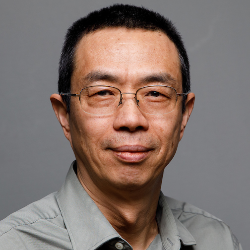 Shaopeng Wang, PhD, Associate Professor, Biodesign Center for Bioelectronics & Biosensors, Arizona State University
Associate Prof
Arizona State UnivDr. Shaopeng Wang (pronounce: Shao-Pong Wong) is an associate professor jointly appointed by School of Biological and Health Systems Engineering (SBHSE) and Biodesign Center for Bioelectronics and Biosensors (BCBB) of Arizona State University (ASU). Dr. Wang has a BS in biology and MS in biophysics from Tsinghua University, a PhD in physical chemistry from University of Miami, and a postdoc training in Physics at Florida International University. Dr. Wang’s research interest is in the development of optical biosensors and bioanalytical instrumentations for functional study of molecular and cellular activities. Dr. Wang has 8 issued US patents and over 140 journal publications, with an H-index of 52.
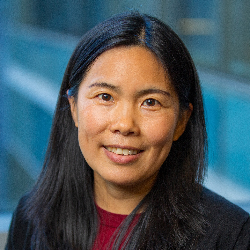 Liqun Wang, PhD, Principal Scientist, Wyss Institute at Harvard University
Principal Scientist
Wyss Institute at Harvard UniversityLiqun Wang, PhD, is a Principal Scientist at the Wyss Institute at Harvard University, where she leads antibody shuttle discovery and engineering for the Brain Targeting Program. Since joining in 2020 she has built matched panels of VHH single-domain antibodies against transferrin receptor (TfR) and CD98 heavy chain (CD98hc), shown that the two differ in brain uptake kinetics and cellular distribution, and developed dual TfR/CD98hc shuttles that further increase brain uptake compared to either parent shuttle. She now leads second-generation campaigns selecting for developability, low immunogenicity risk and human–monkey cross-reactivity, and engineers shuttles for antibody, oligonucleotide, enzyme and antibody-drug conjugate payloads. She is co-inventor on two brain shuttle patent applications. Previously she led neuroscience reagent antibody development at BioLegend, and trained in neurodegenerative disease at Brigham and Women’s Hospital, Harvard Medical School.
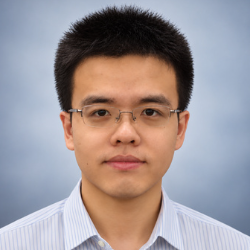 Yifei Wang, PhD, Principal Scientist, Bristol Myers Squibb
Principal Scientist
Bristol Myers SquibbYifei Wang is a Principal Scientist at Bristol Myers Squibb within the Drug Product Development, Product Analytical Sciences organization, where he provides analytical leadership across pharmaceutical development programs. His expertise spans analytical method development, validation, and characterization, with experience across complex modalities such as small-molecule injectables, oligonucleotides, fusion proteins, monoclonal antibodies, and antibody-drug conjugates.
Dr. Wang has contributed to multiple programs supporting INDs and regulatory submissions, with a focus on developing phase-appropriate analytical strategies and addressing complex product quality and development challenges. His work emphasizes data-driven decision making and close collaboration across analytical, formulation, packaging, and CMC functions to advance robust drug product development.
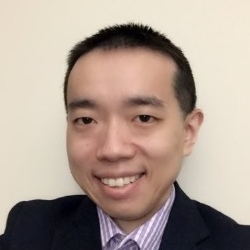 Max Peng Wang, PhD, Business Development, Fapon Biotech Inc.
Senior Director, BD
Fapon Biotech IncMax Wang is a biotechnology business development and portfolio management professional with over 10 years of experience in biologics, cell and gene therapies, oncology, and immunology. He drives business development and strategic partnerships for Fapon Biopharma and Mote Therapeutics, supporting T-cell engagers, antibody–cytokine fusion proteins, targeted lipid nanoparticle delivery, and in vivo CAR-T therapies. Previously, he held roles at Ansun Biopharma, Transcenta Holding, and WuXi Biologics, focusing on global partnering and therapeutic development. Max holds a Ph.D. in Biochemistry and an MBA in Finance and Strategy from The Ohio State University. His doctoral research focused on membrane protein biogenesis.
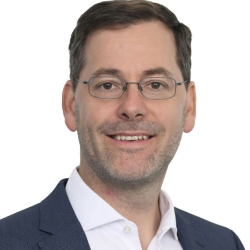 Stefan Warmuth, PhD, CTO, Technology & CMC, Numab Therapeutics AG
CTO
Numab Therapeutics AGStefan is heading discovery and CMC activities at Numab as well as technology projects. This includes antibody discovery, protein engineering, analytics, and formulation, USP and DSP development. He is responsible for the CMC strategy and oversees the manufacturing activities of the international network of external CMOs. Stefan studied biochemistry in Tübingen and Zurich and graduated with a degree in Biochemistry from the ETH Zurich and obtained his PhD in Structural Biology and Biochemistry from the University of Zurich.
Dhanuka Wasalathanthri, PhD, Head, Process Analytics Development, Takeda
Head
Takeda
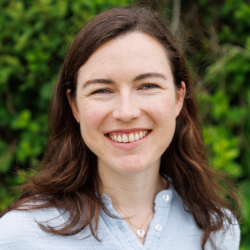 Hannah Wayment-Steele, PhD, Assistant Professor, Biochemistry, University of Wisconsin-Madison
Assistant Professor
University of Wisconsin MadisonHannah Wayment-Steele is an assistant professor in Biochemistry at the University of Wisconsin-Madison. Her lab combines data-centric deep learning and NMR relaxation dispersion to discover relationships between dynamics and evolution, and to make experimental measurements of dynamics more accessible and interpretable. Hannah majored in chemistry and math at Pomona College, and studied theoretical chemistry at Cambridge University as a Churchill scholar. She completed her Ph.D. in Chemistry at Stanford University with Vijay Pande and Rhiju Das, using machine learning to tackle problems related to protein and RNA conformational ensembles. She then was a Jane Coffin Childs postdoctoral fellow with Dorothee Kern and visiting researcher at Google Brain with Lucy Colwell.
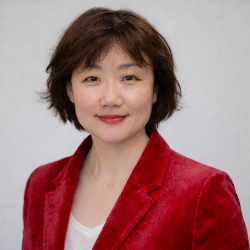 Ronnie R. Wei, PhD, MBA, Vice President of Research, Modex Therapeutics
VP of Research
Modex TherapeuticsDr. Ronnie Wei is VP of Research at ModeX, responsible for developing novel multispecific therapeutics for immune-oncology and infectious disease indications. Prior to joining ModeX, she was Director for Scientific Innovation at Sanofi from 2018 to 2020. Ronnie managed the operations of the Chief Scientific Office and facilitated the implementation of strategies for R&D by driving innovation through Sanofi’s Scientific Intelligence Network. Ronnie also served as a scientific advisor for the Sanofi Breakthrough Laboratory. Prior to this role, she was Director of Protein Engineering at Dragonfly Therapeutics where she designed and established the multispecific NK cell engager platform which has since seen its first molecule in patients.
Dr. Wei has a demonstrated track record of delivering high quality and innovative biologics designs that have reached clinical development. In her work Ronnie regularly surveys the competitive intelligence landscape and patent space on cutting edge therapeutic concepts, fostering deep ties with partners in the biopharma and academia investment ecosystem. Her research has led to 22 publications including manuscripts in Science, Cell, Nature Journals and PNAS as well as over 20 patents filed and granted.
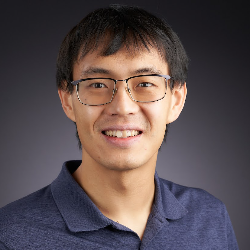 Wanlei Wei, PhD, Research Officer, Computer-Aided Drug Discovery, National Research Council Canada
Research Officer
National Research Council CanadaWanlei is currently a postdoctoral research fellow at the Human Health Therapeutics Research Center at the National Research Council Canada, located in Montreal, Canada. In this role, he develops and employs computational tools for antibody engineering. Before working in the antibody space, he worked on computer-aided drug design of small molecule inhibitors against RNA, force field development, and computational enzymology. To date, he has published more than a dozen papers in computational chemistry.
 Stefan Weigand, PhD, Chief Scientific Officer, BigHat Biosciences
Chief Scientific Officer
BigHat BiosciencesStefan Weigand, PhD is Chief Scientific Officer at BigHat Biosciences, where he leads scientific strategy across the company’s AI-integrated design platform, internal pipeline, and partner collaborations. Before joining BigHat, Stefan has more that 25 years of industry experience with Bayer Pharmaceuticals and Roche, where he spent the last decade as Head of Large Molecule Research leading a global team responsible for biologics from idea through Phase I.
 Kipp Weiskopf, MD, PhD, Head of Antibody Therapeutics and Biologics, Cancer Research Institute, Beth Israel Deaconess Medical Center; Physician, Department of Medical Oncology, Dana-Farber Cancer Institute
Head of Antibody Therapeutics and Biologics
Beth Israel Deaconess Medical CenterKipp Weiskopf, M.D., PhD, is Head of Antibody Therapeutics and Biologics at Beth Israel Deaconess Medical Center’s Cancer Research Institute. He leads an independent research laboratory that studies macrophages and other innate immune cells in the tumor microenvironment. The lab also pursues a multipronged immunoengineering effort to create novel antibodies, bispecific agents, and ADCs to benefit patients with cancer and other life-threatening diseases. Dr. Weiskopf previously earned his medical and graduate degrees at Stanford University. As a member of Dr. Irving Weissman’s laboratory, he helped define the CD47/SIRPa interaction as an immune checkpoint that regulates macrophage phagocytosis. He began his laboratory as a Valhalla Fellow at Whitehead Institute for Biomedical Research..
Dr. Weiskopf is an inventor on over 20 issued U.S. patents pertaining to macrophage-directed therapies. He co-founded ALX Oncology, a biotech company that is investigating macrophage-directed therapies in multiple clinical trials for cancer. Other technology that Dr. Weiskopf invented has been licensed to Forty Seven, Inc. (acquired by Gilead). More recently, he co-founded DEM Biopharma and Solu Therapeutics to create novel therapies for cancer and other life-threatening diseases.
Dr. Weiskopf is concurrently appointed as a physician at Dana-Farber Cancer Institute in the Department of Medical Oncology. He previously completed his medical training in Internal Medicine at Brigham and Women’s Hospital and is board certified in Internal Medicine. He has been recognized with a number of awards including a Winston Churchill Scholarship, the Harold M. Weintraub Graduate Student Award, first place in the Collegiate Inventors Competition, an ASCO Young Investigator Award, and the AACR-AstraZeneca Career Development Award for Physician-Scientists, in Honor of José Baselga, a Department of Defense Peer Reviewed Cancer Research Program Career Development Award, and a National Cancer Institute R01 research project grant. Dr. Weiskopf previously earned a B.A. from Amherst College and an M.Phil. in genetics from University of Cambridge.
 Nina E. Weisser, PhD, Director, Multispecific Antibody Therapeutics, Zymeworks, Inc.
Executive Director
Zymeworks IncNina Weisser is Executive Director of Multispecific Therapeutics at Zymeworks where she leads a research team in the development of multispecific antibody therapeutics with a focus on mechanism of action studies. Since joining Zymeworks in 2012, she has led several research programs, including zanidatamab from discovery to early development. She received her PhD from the University of Guelph and held a post-doctoral fellowship at the National University of Ireland, Galway.
 Zhigang Weng, PhD, Vice President & Head, Biology, Mariana Oncology, a Novartis Company
VP & Head of Biology
Mariana Oncology, a Novartis CompanyZhigang Weng is a drug discovery and development leader with more than 20 years of experience in the pharmaceutical and biotechnology industries. He currently serves as VP, Head of Biology at Mariana Oncology, a Novartis company. Previously, Zhigang was Senior Director of Biology at Blueprint Medicines, now a Sanofi company. He has also held leadership and scientific positions at several biotechnology companies, including Forma Therapeutics, Warp Drive Bio, AVEO Pharmaceuticals, and ARIAD Pharmaceuticals.
Zhigang earned his PhD in Molecular Biology from the University of Pennsylvania, an MA in Biology from Mount Holyoke College, and a BS in Genetics and Genetic Engineering from Fudan University.
 John Williams, PhD, Professor of Molecular Medicine and Co-Director, Drug Discovery and Structural Biology Core, Beckman Research Institute, City of Hope
Professor & co-Director of Drug Discovery and Struct. Biology
City of Hope Beckman Research InstituteJohn C. Williams, PhD, is a Professor at City of Hope and a structural biologist and protein engineer focused on transforming fundamental molecular insights into therapeutic innovations. His laboratory has pioneered technologies including tumor-activated antibodies, the meditope antibody-engineering platform, multispecific biologics, and engineered cellular therapies. These advances have supported multiple translational and commercial programs spanning oncology, immunotherapy, and protein therapeutics. Dr. Williams trained at Columbia University and EMBL Heidelberg and joined City of Hope in 2008. He is a founder of Meditope Biosciences and Xilio Therapeutics.
 Chengbin Wu, PhD, Founder & CEO, EpimAb Biotherapeutics, Inc.
Founder & CEO
EpimAb Biotherapeutics IncDr. Chengbin Wu is the founder and Chief Executive Officer of EpimAb Biotherapeutics Inc., an innovative biologics company focusing on developing next generation antibody-based therapies. Dr. Wu has over 20 years of experience in discovery, development, and technological innovation in the antibody field. He is also a world-renowned expert in bispecific antibody technologies and therapeutic development, and the primary inventor of DVD-Ig and FIT-Ig bispecific technology platforms. Dr. Wu has built a distinguished career in the biopharmaceutical industry, taking on different leadership responsibilities in different parts of the world. Previously he was Chief Scientific Officer and President of R&D at 3SBio, a leading China-based biopharmaceutical company. Before that he was the Senior Vice President Biologics at ChemPartner, where he established a comprehensive antibody R&D platform. Prior to that, Dr. Wu was a Volwiler Associate Fellow at Abbvie, where he led several antibody projects from concept to regulatory filing. Dr. Wu received his Ph.D. degree from the University of Georgia in the US, and postdoctoral fellowship at Harvard Medical School with a grant from the Cancer Research Institute.
 Wei Xu, PhD, CSO, METiS TechBio
CSO
METiS TechBioDr. Wei Xu is Chief Scientific Officer (CSO) at METiS Techbio, where he leads the advancement of high-value mRNA-based therapeutic pipelines toward clinical development. He brings extensive experience across immunology, oncology, and cell therapy. Previously, he served as CSO at Numab Therapeutics (Switzerland), and as Vice President and Head of Biology & Translational Medicine at Innovent Biologics (China), where he built multidisciplinary teams and advanced first- and best-in-class programs around multispecific therapeutics. Earlier in his career, Dr. Xu spent seven years at Roche (USA/Switzerland), contributing to multiple programs that progressed into clinical development. He holds a Ph.D. in Immunology from Leiden University Medical Center and completed his postdoctoral training at the Baylor Institute for Immunology Research.
 Donghui Yan, PhD, Senior Scientist, Quantitative Medicine and Genomics, AbbVie
Sr Scientist
AbbVie IncDonghui Yan, PhD, is a Senior Scientist at AbbVie specializing in artificial intelligence and computational biology for biopharmaceutical research. His work focuses on integrating scientific knowledge and diverse data to support biological discovery and data-driven decision-making, with applications in cell engineering and biologics development. He received his PhD in Computer Science from Carnegie Mellon University.
 Bo Ying, PhD, CEO, Abogen Biosciences Co. Ltd.
CEO
Abogen Biosciences Co., Ltd.Dr. Bo Ying is the founder and CEO of Abogen Biosciences, the leading mRNA company in China focused on developing innovative mRNA technologies for prophylactic vaccines, cancer and autoimmune diseases. He has many years of experiences in the development of nucleic acid-based therapeutics and has held various roles in leading biopharmaceutical companies in Boston. His work has been published in journals such as Cell, Lancet Microbe, and he is also the inventor of 100+ patents and patent applications. Dr. Ying has a bachelor’s degree from Fudan University in China and a Ph.D. degree from Northeastern University in Boston.
 Daniel Yoo, Scientific Associate Director, Large Molecule Discovery, Amgen, Inc.
Associate Director, Protein Therapeutics
Amgen IncDaniel Yoo is a Scientific Associate Director in Amgen's Large Molecule Discovery group, where he leads teams that develop promising protein therapeutic candidates and design innovative automation solutions. His areas of expertise include protein purification and analytics, high-throughput automation and informatics, and protein folding & modifications. Daniel Yoo received his Bachelor’s degree in Biology at the University of Rochester in 2003.
 Fengli Zhang, PhD, Senior Scientist II, High Throughput Antibody Production, AbbVie
Senior Scientist II
AbbVieFengli Zhang got bachelor’s degree in Pharmaceutical Engineering from East China University of Science and Technology, and master’s degree in pharmacy from Shanghai Jiao Tong University. She then joined Dr. Shang-Tian Yang’s lab in The Ohio State University, and focused on high throughput drug screening using integrated stem cell and machine learning models. After She got her Ph.D., she worked at Takeda Pharmaceuticals and led the high throughput assay platform development for cell therapy discovery. She then joined Merck as a senior scientist in Discovery Biologics to design high throughput protein production and integrated characterization. Currently she is a Senior Scientist II at AbbVie, leading the automation platform development to accelerate high throughput protein production and characterization.
Fan Zhang, PhD, Principal Scientist, Merck & Co.
Principal Scientist
Merck & Co.Fan Zhang, Ph.D. is a Principal Scientist and Mass Spectrometry Group Lead in Molecular Discovery at Merck Research Laboratories in South San Francisco. She leads the development and application of advanced mass spectrometry based analytical strategies to support biologics discovery, including monoclonal antibodies, bispecific antibodies, antibody-drug conjugates, and emerging therapeutic modalities. Her work focuses on developability assessment and molecular characterization to support candidate selection and drug discovery.
 Hanzhi Zhang, PhD, Associate Principal Scientist, AstraZeneca
Associate Principal Scientist
AstraZenecaHanzhi Zhang, PhD, is an Associate Principal Scientist in the Protein Engineering and Novel Modalities, Biologics Engineering, R&D at AstraZeneca. He holds a BS in Biochemistry from Purdue University and earned his PhD in Biochemistry from the Baylor College of Medicine. Dr. Zhang completed his postdoctoral training at Amgen and Stanford University, specializing in protein structural biology, in silico modeling, and rational protein design. In his current role, he leverages computational and artificial intelligence (AI) tools to support the structural modeling, engineering, and design of therapeutic antibodies and multispecific biologics.
 Yonghao Zhao, PhD, Head of Biologics, R&D, Chengdu Kanghong Biotechnology Co.,Ltd.
Head of Biologics
Chengdu Kanghong Biotechnology Co.,Ltd.Dr. Yonghao Zhao is Head of Biologics R&D at Chengdu Kanghong Biotechnology. He received his Ph.D. in chemical biology from Xiamen University and was a visiting scholar at Sanford Burnham Prebys Medical Discovery Institute (SBP) in the United States. With seven years of research on Alzheimer's disease mechanisms and more than a decade of experience in oncology biologics innovation, Dr. Zhao has built comprehensive expertise spanning the entire biologics development continuum, from early discovery and preclinical development through clinical translation, contributing to and leading multiple drug development programs — including rezivertinib mesylate, and several antibody-drug conjugates currently in clinical studies. At Kanghong, Dr. Zhao has established proprietary technology platforms for dual-payload antibody-drug conjugates, blood-brain barrier-penetrating bispecific antibodies, and antibody-peptide conjugates, among which the world's first dual-payload ADC has entered clinical trials.
Qian Zhao, Sr Scientist, Biologics Discovery, Johnson & Johnson Innovative Medicine
Senior Scientist
Johnson & Johnson Innovative Medicine
 Rui Zhu, PhD, MBA, Principal Research Scientist I, Protein Sciences, Biotherapeutics & Genetic Medicine, AbbVie Inc.
Principal Research Scientist I, Protein Sciences
AbbVie IncRui Zhu, Ph.D., MBA, is a Principal Research Scientist in AbbVie’s Biological Research Center with more than seven years of biopharmaceutical research and development experience. His expertise spans biotherapeutic characterization, mass spectrometry, and analytical method development, with a strong focus on monoclonal antibodies, multispecifics, antibody-drug conjugates, and novel modalities. Rui has led cross-functional teams, developed high-throughput LC-MS methods and automated data analysis tools, and contributed extensively to biomarker discovery, protein chemistry, and developability assessment.